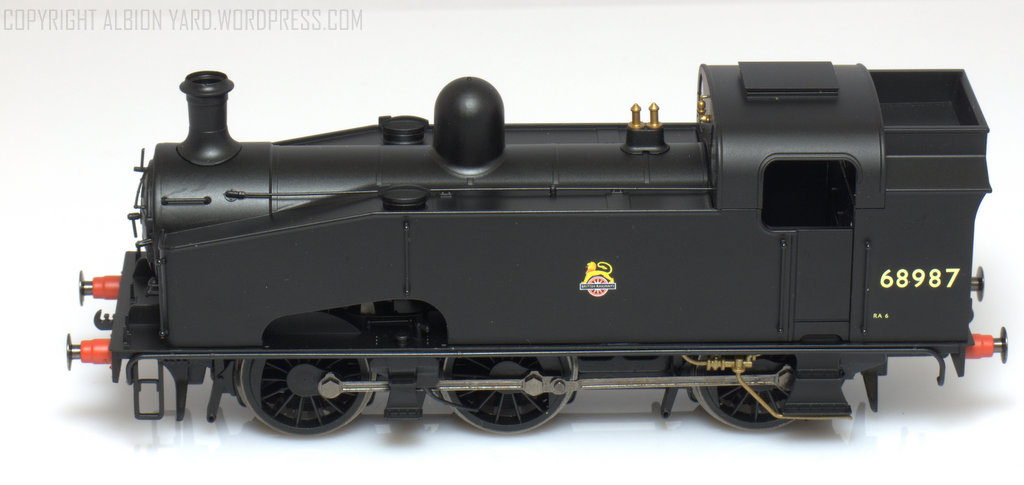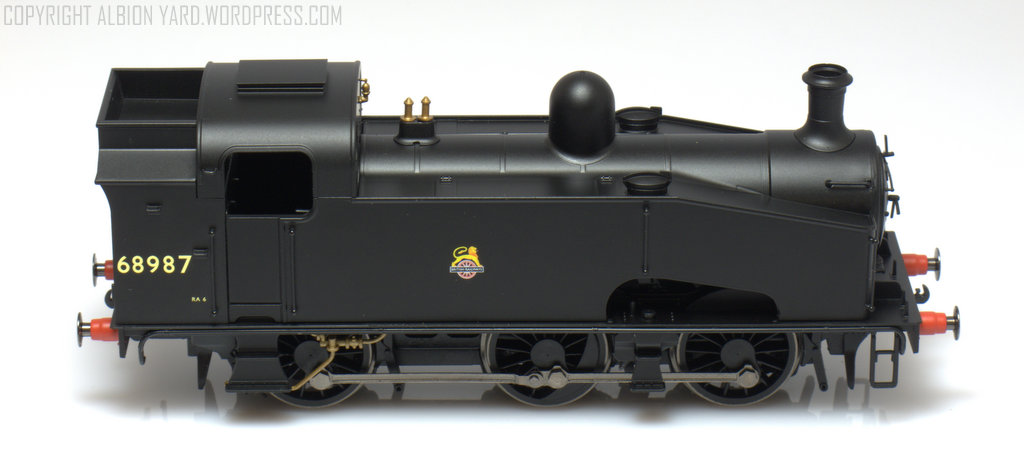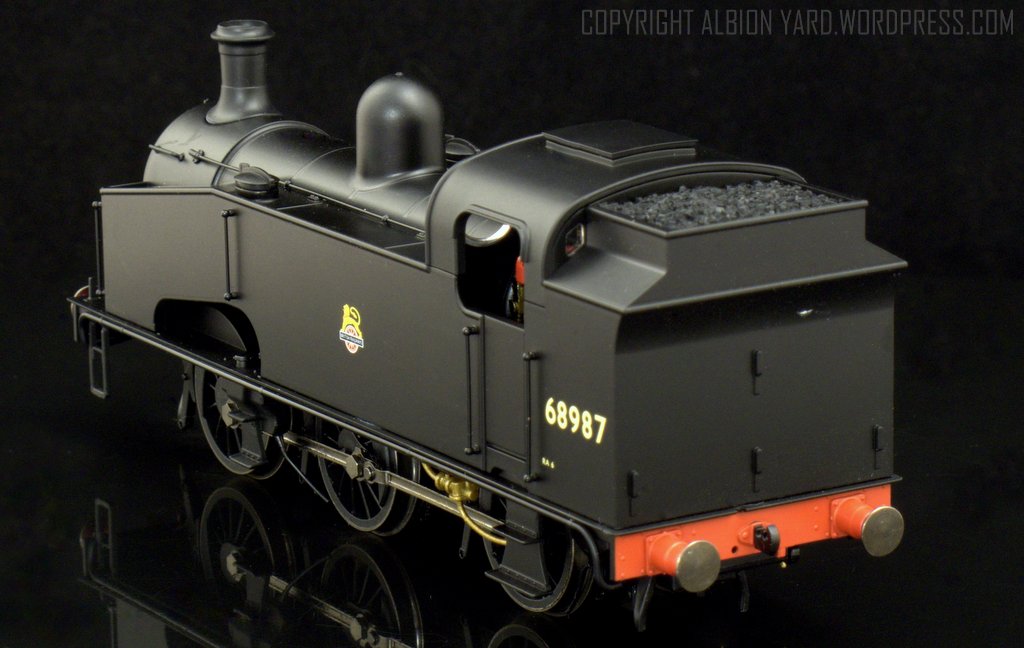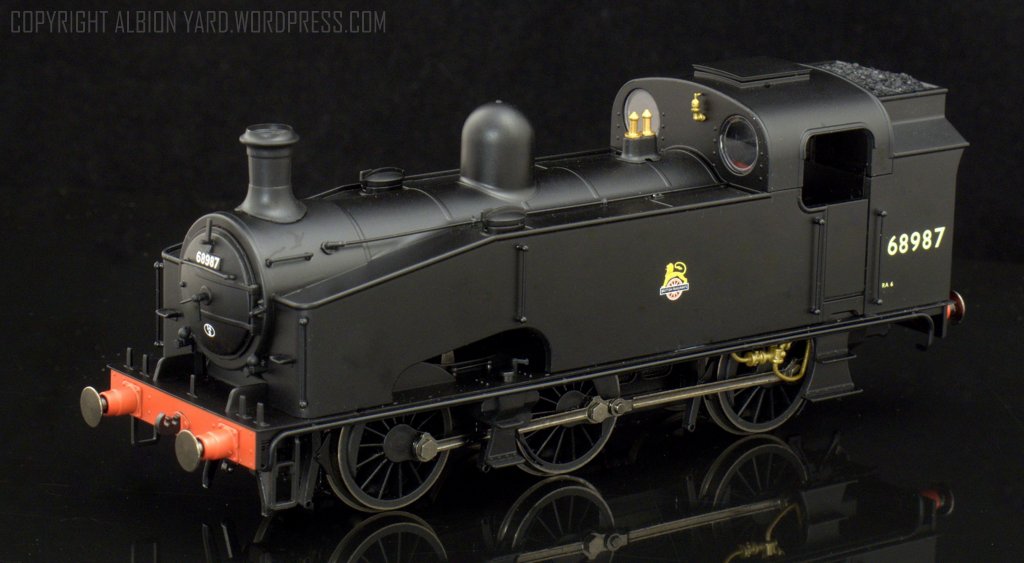
Seasons Greetings 2015

20151225-091139-33099290.jpg

For all the friends and followers of the blog, have a good christmas and try and make time for yourself, friends and family.

To all those out there at work, traveling, caring for others, you know who you are, take care and thank you.

Have a good one!

Posted in 2015, blog, christmas, Friends, life, media, Model Railroad, Model Railway, Model Railway Journal, modeling, Modelling, Nevard, social media | Tagged , , , | Leave a comment

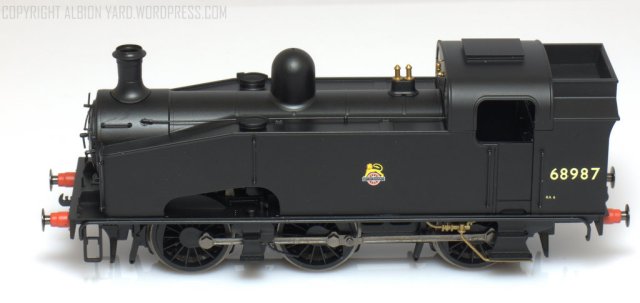
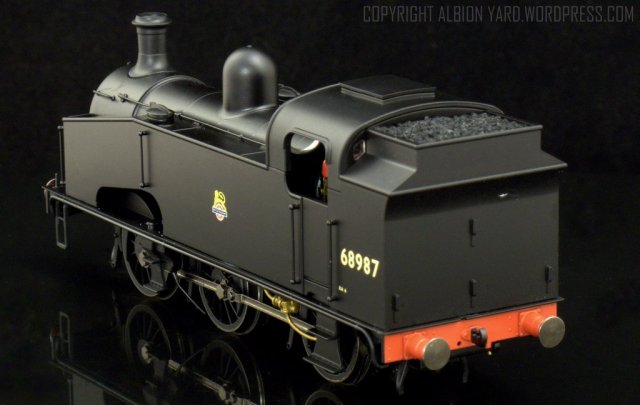
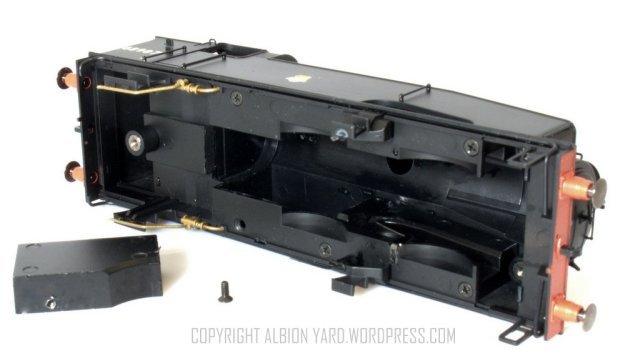
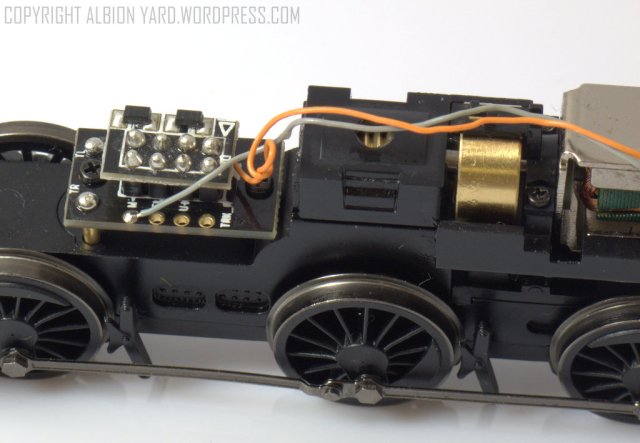
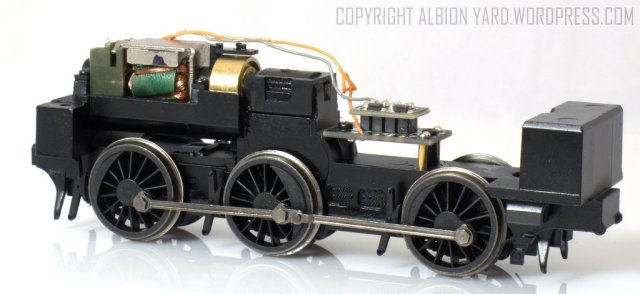
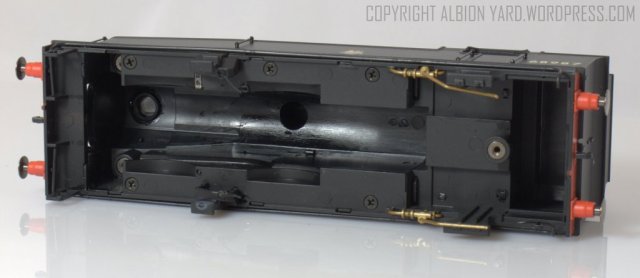
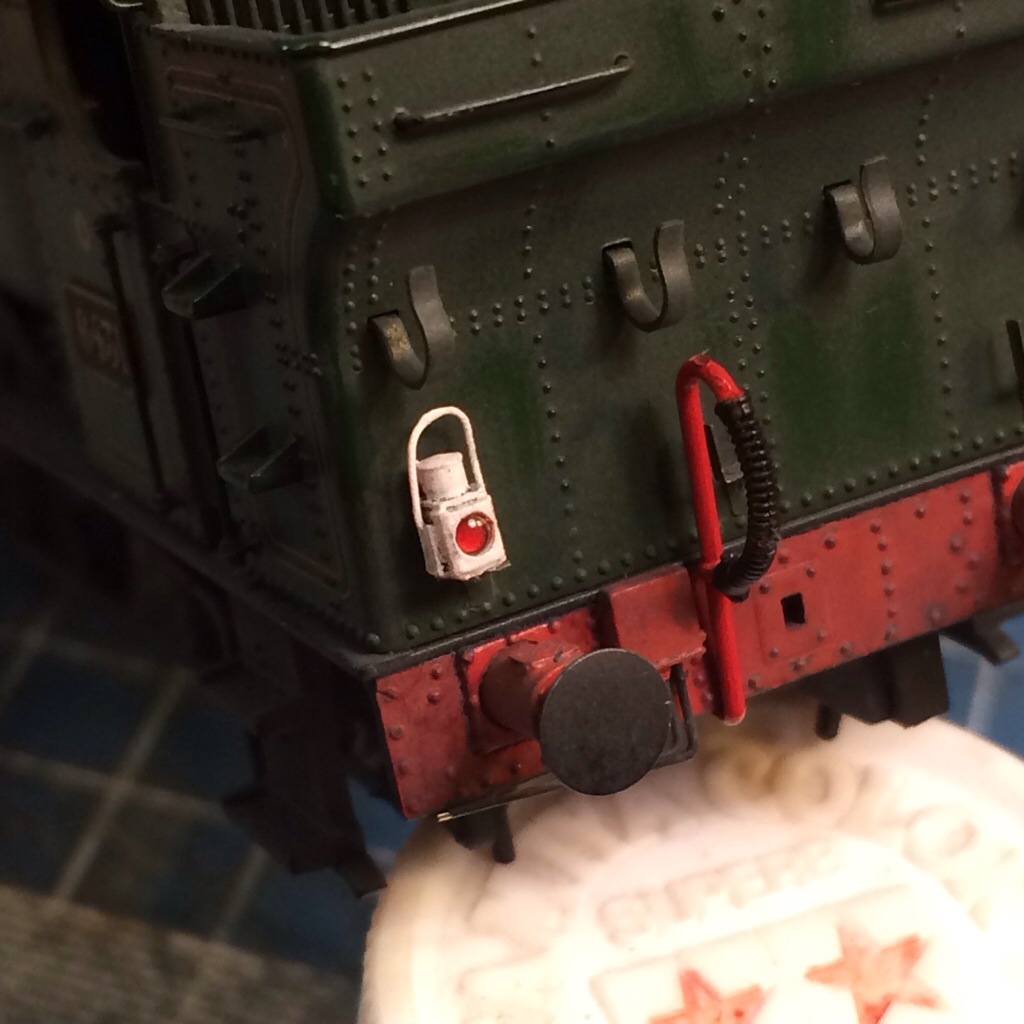
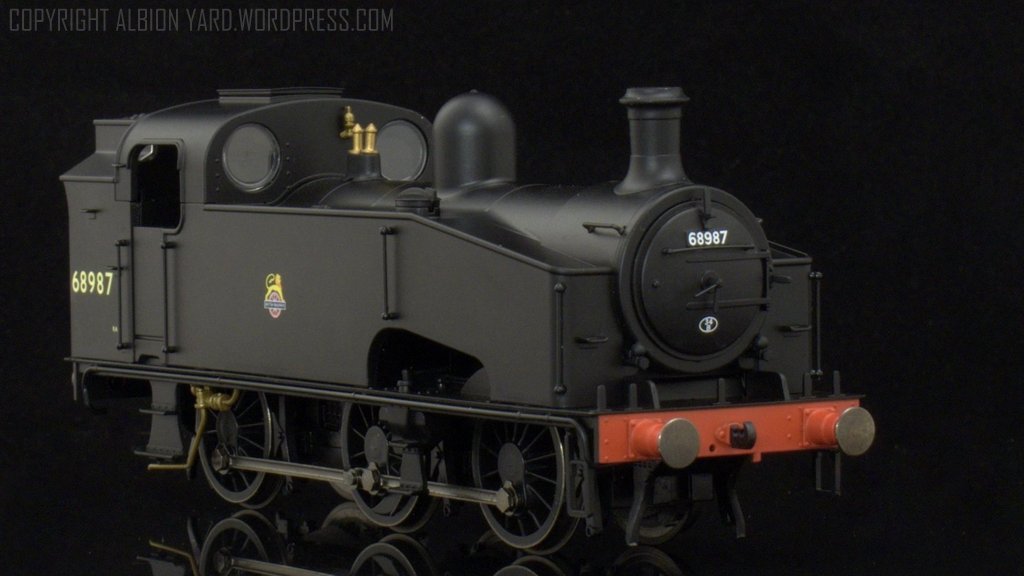
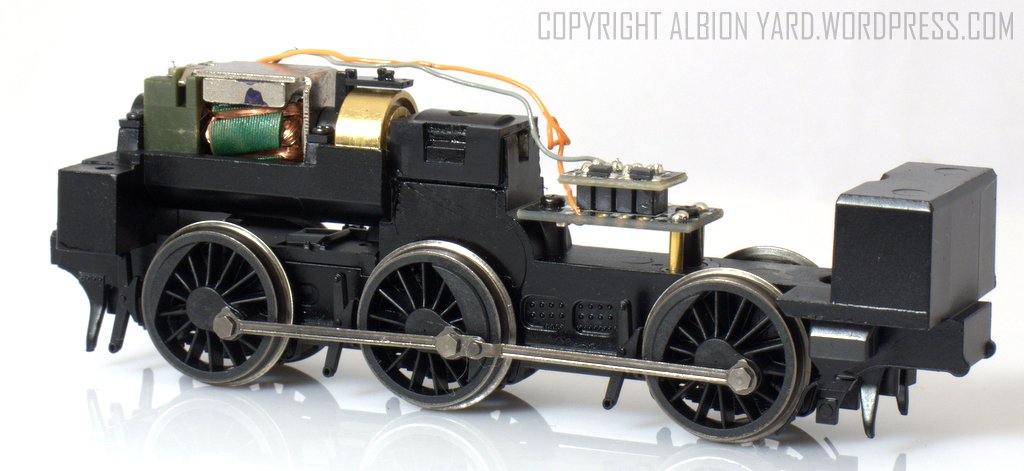
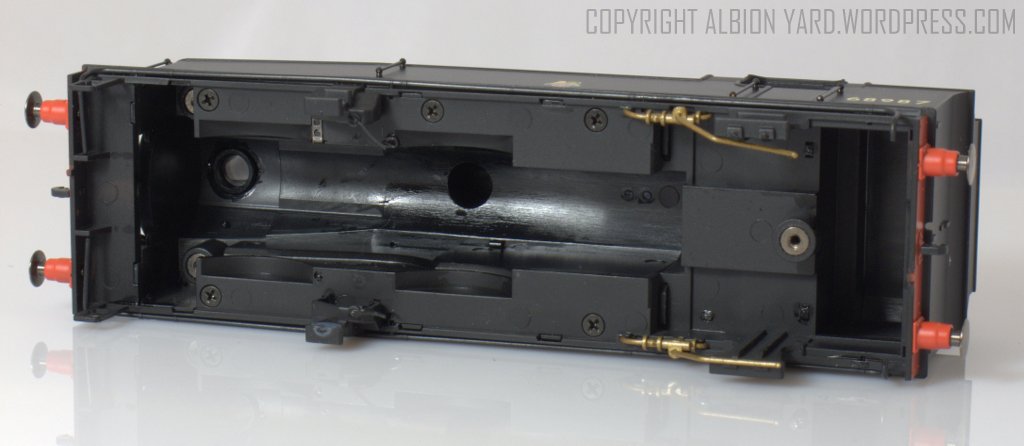
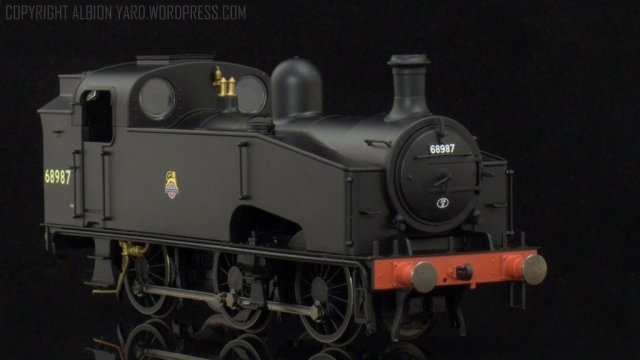
Hornby j50 R3325

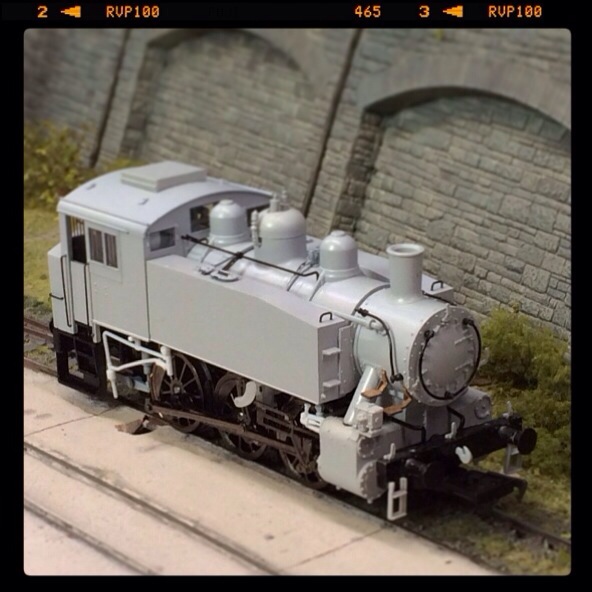
Well it’s here, good runner, some interesting design features, review later.

20151224-122904-44944825.jpg

Posted in Bachmann, blog, British Rail, DCC, Eastern Region, hobbies, Hornby, Layout, LNER, media, Model Railroad, Model Railway, Model Railway Journal, modeling, Modelling, Nevard, R3325, review, shelfie, social media, toy train, toytrainset, train set | Tagged , , , , | Leave a comment

The Peninsula Club

Laramie Engine Terminal

Laramie Engine Terminal

Is that where he’s been, The Peninsula Club? Low cut dresses, heels and G&T’s by the bucket load. That’s enough about what I do at the weekend though.

The Peninsula.

In the UK a pretty rare piece of layout design, and even less frequently built. You can easily see the rationale behind a peninsula, it gives you more layout, and can project into an area of space as a stub of a larger layout. The UK exhibition scene is, as a rule dominated by rectangular long/short layouts or an oval large/small in simple terms. There are a few notable exceptions to the rule and they often stand out as interesting examples of modelling and design, Mark Tatlows evocative BR Blue era layout Portchullin, highlandmiscellany.com being an excellent case in point. Portchullin for the viewer, is a convex crescent shaped layout, which can give a few challenges to an exhibition manager.

The Peninsula is likely to offer similar viewing challenges for an exhibition manager, a stub projecting into an aisle at a UK show will likely get the foamers lathered up even faster than a lack of soap or a backpack. I do feel that there is an almost formulaic design template for ‘UK exhibiton layouts dot com’. We all know that a plank or rectangle/square can be accommodated within the show scene, and many layouts clearly fit that requirement or mindset, my previous layouts certainly do. Where I’ve started to take a different look at how a future layout of mine will be presented is a result of wanting to build a ‘railway’ rather than a ‘location’. I’ve still not laid any rails or cut any significant wood for my Severn and Dean project almost a year on from me really getting the concept sorted. Over the past couple of weeks this has come to a head. Manchester’s Exhibition  mmrs.exhibition was at the beginning of December, and we’d agreed that part of the Severn and Dean project would be shown as Work in Progress. The section, a simple station module, Mitcheldean Road, allowing train reversals is under way, track laid and just waiting wiring, but it was definitely feeling ‘meh’ as I got further into it. At the same time Model Rail magazine featured ‘Wharfedale Road’ in No.214 as ‘Shelfie’. MMRS asked if it would be possible to have that as an exhibit instead, so that’s been agreed and got me off the hook regarding the layout module that wasn’t working. As an aside Shelfie also appeared at Warley, running the Model Rail USA Dock tanks on the magazines stand throughout the weekend.

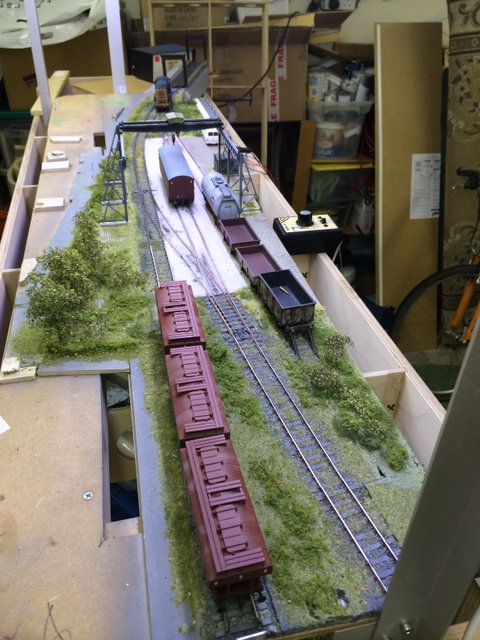
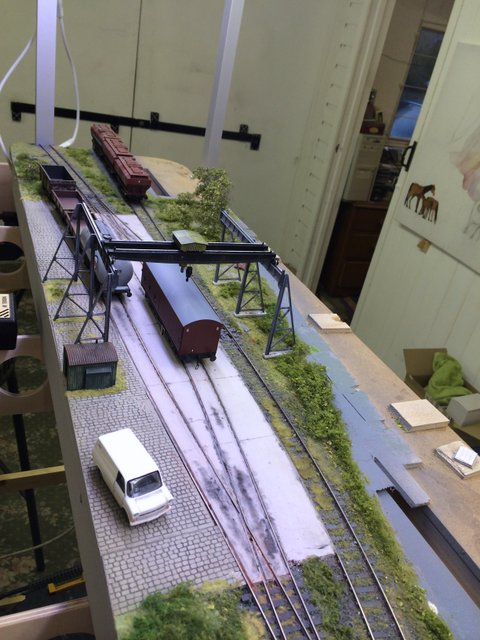
What’s this got to do with Peninsula’s then? Two things. The original module was to have been a peninsula, which clearly has to be joined to the bigger layout. The baseboard chassis is built, track (as mentioned), laid, and needed to be properly designed and integrated to the bigger scheme. Except the bigger scheme doesn’t physically exist. So I would be starting the Severn and Dean project with a module that was getting towards ‘MEH’, in capitals this time! Not a good place to start. Shelfie has helped enormously and unexpectedly here. As built the lighting gantry and display boards/fascia were for home consumption, so were made from offcuts and made to work well for its home base, the workshop wall. Having accepted both Warley and Manchester requests it was clear that the layout superstructure would need a makeover, to protect things like the trees and lighting and not least moving it from location to location. The original superstructure was stripped from Shelfie to make the new framework, this time from alloy angle giving weight saving, rigidity and strength. To engineer this I used the baseboard chassis of Mitcheldean Road, Shelfies footprint comfortably fitting within the chassis footprint. This was set up at my normal track level height of around 50 inches allowing me 360 degree access to work on it.

Shelfie Peninsula

Shelfie Peninsula

It was at this point that the penny dropped, I had a ‘peninisula’ layout in front of me. I could move around it and see it from different angles. Recently with Albion Yard and Shelfie I’ve worked in the digital backscenes and view blocks so the layouts have a defined view point. Seeing the track of Shelfie in the round helped me visualise how a peninsula might work in the workshop/garage for Severn and Dean. Lighting for me is critical on a layout particularly for exhibition models.

Shelfie peninsula

Shelfie peninsula

A peninsula needs lighting, and that has its challenges. Under the workshop lighting all is well, but its all to easy to block the illumination just moving around so the module will need its own gantry, ideally without the view being blocked by gantry supports. One exhibition layout I saw recently had equidistant lighting supports along the front edge of the baseboard which I found a real distraction. I was also concerned that the offstage area would distract from the layout. Whilst doing the new framework I was also rebuilding the front of the wife’s car after she had hit a deer, so there was lots of ‘stuff’ lying around and in the way. With the lighting rig working, the attention was drawn to the layout, rather than the clutter of the replacement front end. With the lighting off and normal room lighting, the eye was quickly drawn away from the layout to the rest of the clutter. The track height was settled at around 50 inches from the floor, this also helps with the visual separation from the surrounding room/area.

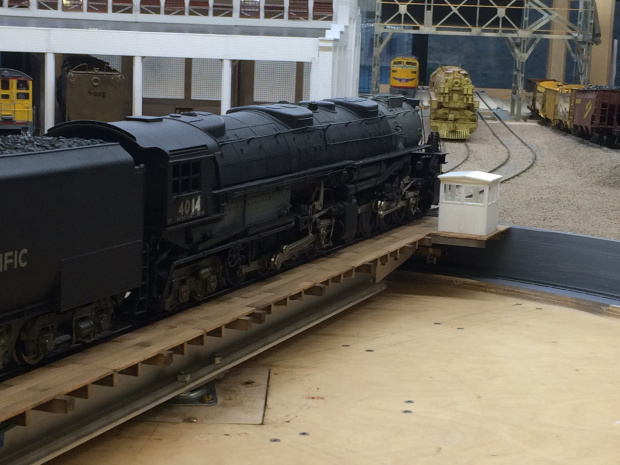
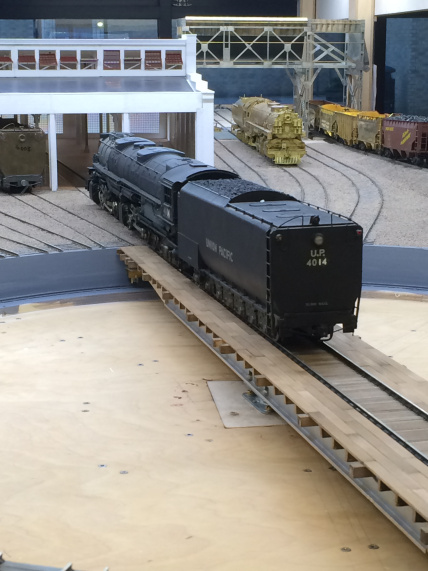
There is a simple way to minimise this impact and a brilliant example of this is Pete Kirmond’s Laramie enginehouse layout. Peter has spent a good deal of time and effort in the design of this simple layout laramie with the presentation and lighting being key elements in bringing the whole display together. Interestingly our layouts were back to back at Manchester, and the track heights we had chosen were within an inch of each other.

Laramie Engine Terminal

Laramie Engine Terminal

The differences in lighting of our exhibits was striking, and the very different ways we’ve gone to make support structures was too. Laramie uses a full LED display using warm and cool white mix. This is built into the upper pelmet with a clever cantilever design which means there are no support struts in the way of the viewer. Shelfie uses a mix of cool fluorescent and controllable full blue LED lighting. Shelfie uses a diagonal batten along the length of the layout with fluorescent and LED lighting washing evenly across the scene, It uses a digital print wrap round backscene -the-digital-backscene (image kindly provided by Chris Nevard nevardmedia.blogspot.) The presentation for Shelfie is a letterbox style, seeing Laramie has literally opened my eyes to how a fully lit peninsula could be built as a home layout and exhibition feature too. The two layouts have very different color balances that are configured for each display. Laramie catching the high plains drifter lighting, and Shelfie having a variable ‘english’ color cast, or white balance in digital camera terms, with the LED intensity control.

Laramie Engine Terminal

Laramie Engine Terminal

The next thing I need to resolve having decided ‘Mitcheldean’ is ‘meh’ in terms of how it will integrate into the Severn and Dean Scheme, is what will replace it. A peninsula can be made to look very effective as Pete’s Laramie has shown, and I’ve already found a possible plan for a location to feature on that section. Do I build it? I think so, but I said that about Mitcheldean ..

As a close a big thank you to those of you who came and said hello at Warley and Manchester, thanks too to Richard Foster at Model Rail and David Haarhaus at Bachmann for allowing the opportunity to demonstrate the USATC Dock Tank. For those of you who have ordered it, and not yet seen it first hand, you are in for a real treat!

_B6O4719.CR2

Posted in blog, British Rail, DCC, dcc sound, Exhibition, hobbies, Hornby, laramie, Layout, life, Manchester, Midland Region, Model Railroad, Model Railway, Model Railway Journal, modeling, Modelling, Nevard, OO Gauge, research, Scottish Region, shelfie, toy train, toytrainset, train set, Uncategorized, Western Region | Tagged , , , , , , , , , , , , , , , , , , , | 4 Comments

Manchester 2015

This weekend I have ‘Shelfie ‘ at the Manchester show.
http://mmrs.co.uk/exhibition/

20151205-081405-29645478.jpg

Barnes Wallis building Manchester University. We also have one of the USATC Engineering prototype dock tanks from Model Rail/Bachmann with us. Harwood Room, Stand 4, next to Pete Kirmonds ‘Laramie’.

20151205-082204-30124198.jpg

Posted in Bachmann, blog, christmas, DCC, dcc sound, Exhibition, Great Western, hobbies, Hornby, Layout, life, magazine, Manchester, Model Railroad, Model Railway, modeling, Modelling, Nevard, OO Gauge, shelfie, social media, toy train, toytrainset, train set | 2 Comments

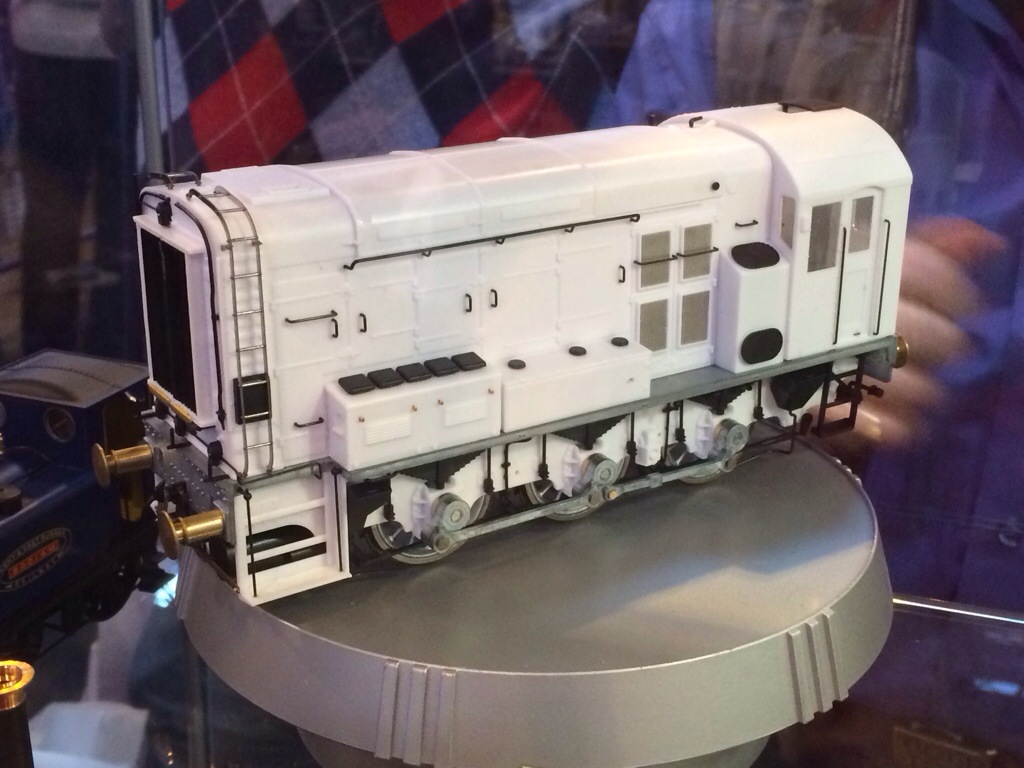
Dapol 08 in 7mm scale

20151128-193416-70456712.jpg

Albion Yard in 7mm next?

20151128-232824-84504645.jpg

Posted in blog, DCC, dcc sound, Eastern Region, hobbies, Hornby, Layout, magazine, media, Midland Region, Model Railroad, Model Railway, Model Railway Journal, modeling, Modelling, Nevard, research, social media, Southern Region, toy train, toytrainset, train set, Western Region | Tagged , , , , , , , , | 7 Comments

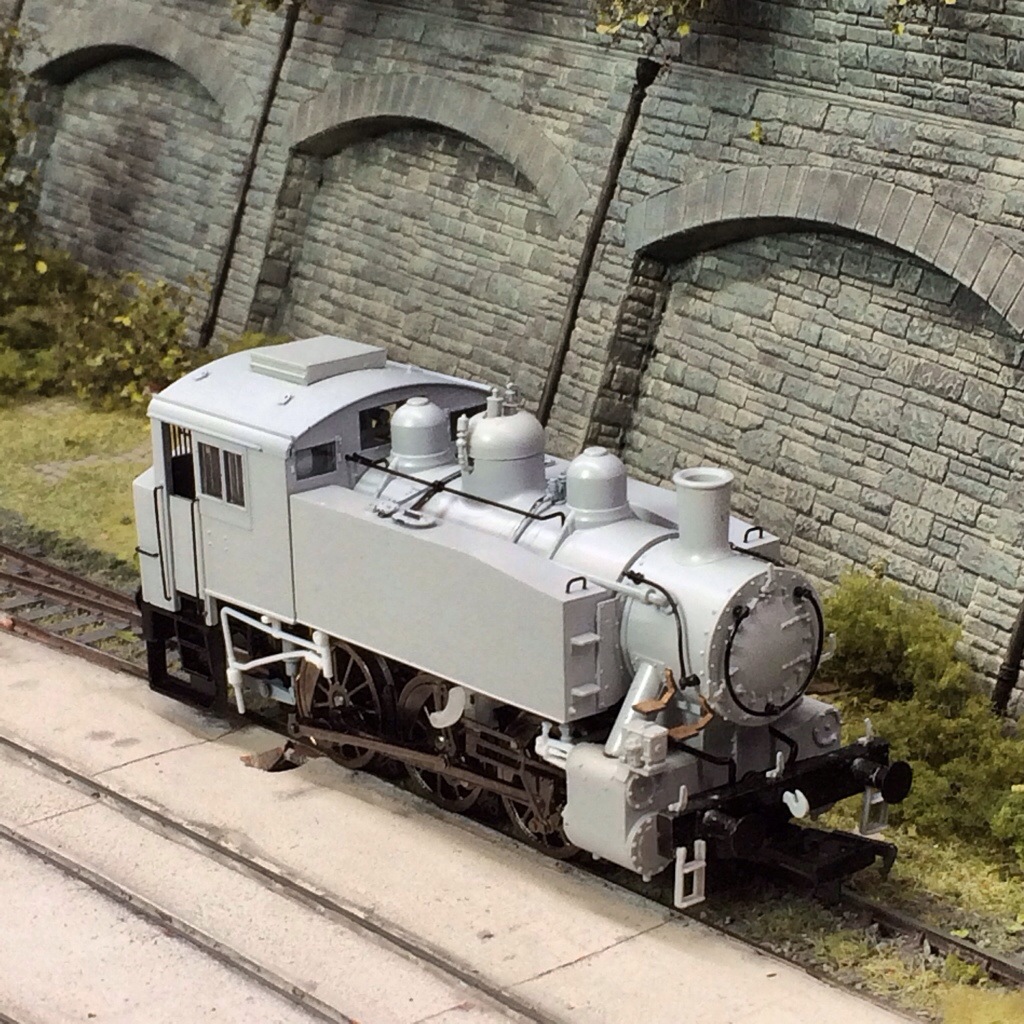
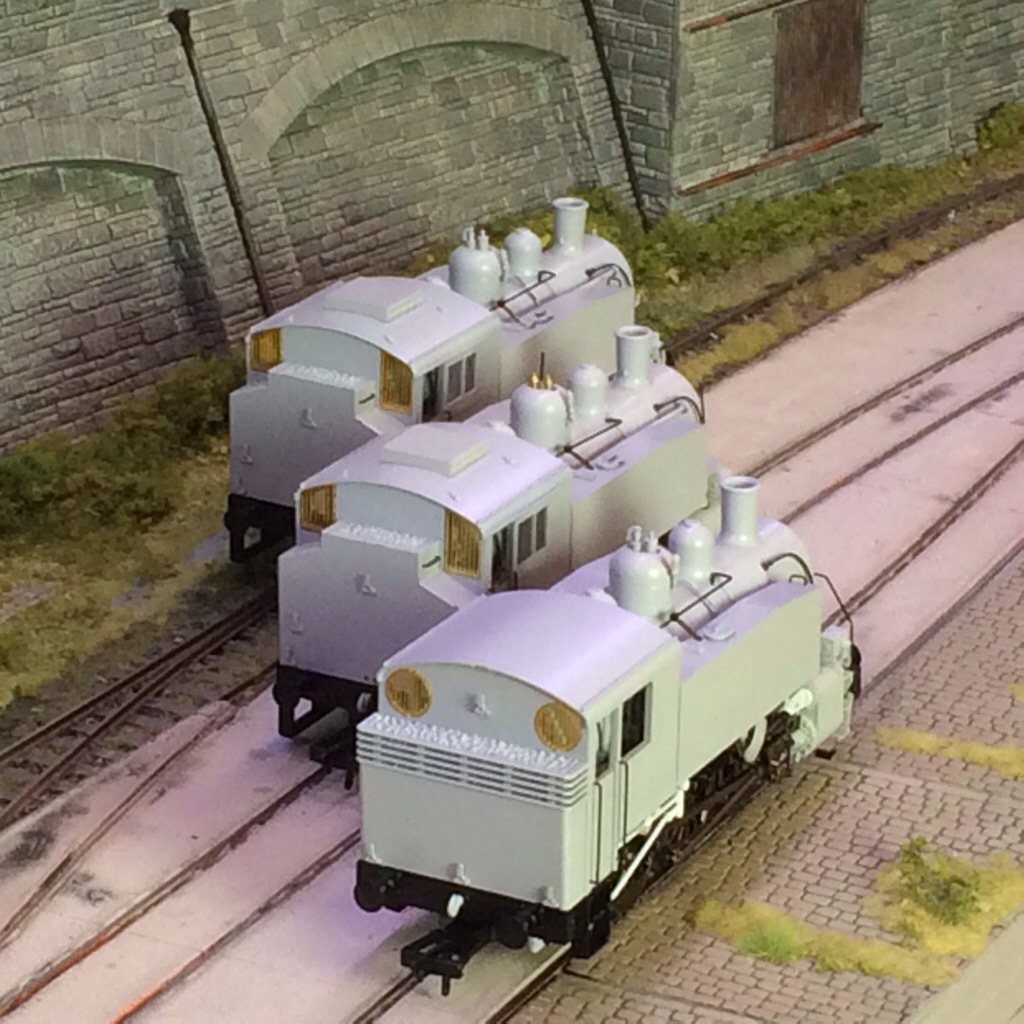
Warley and the Dock Tanks

20151127-181628-65788177.jpg

20151127-181627-65787898.jpga

All three versions of the Model Rail limited edition USRA dock tank are at Warley, on ‘Shelfie’ this weekend. They are stunning models and run really well, especially for pre production models. Come and see them stand C11.

On the subject of USRA, happy thanksgiving for the US readers!

Posted in Bachmann, blog, Branch Line, British Rail, Chris Nevard, DCC, Exhibition, history, hobbies, Hornby, Layout, life, magazine, media, Model Railroad, Model Railway, modeling, Modelling, Nevard, OO Gauge, shelfie, social media, Southern Region, Thanksgiving, toy train, toytrainset, train set, usa | 1 Comment

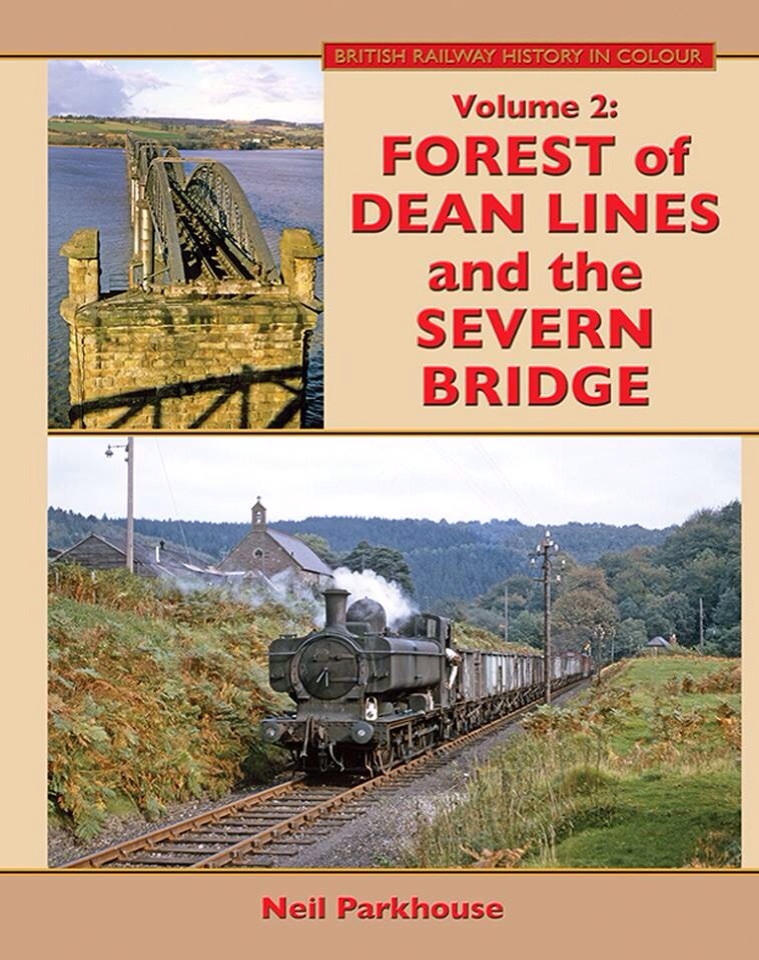
Forest of Dean Lines Book review

Forest of Dean

Forest of Dean

Forest of Dean Lines & the Severn Bridge

Price £30.00
ISBN 13: 9781899889 98 3  http://lightmoor.co.uk


This is Volume 2 of British Railway History in Colour from Lightmoor Press. Volume 1 dealt with the Wye Valley lines and north Gloucestershire, volume 3 as I understand it, will cover south of the River Severn. The book is hardback with 328 pages of colour illustrations of the Forest of Dean, both the Severn and Wye lines and the Forest of Dean branch. It also covers Bullo Pill the Severn Bridge and Lydney Docks also get coverage in this volume.

Neil Parkhouse has compiled and written this volume, using various sources for the illustrations. Most haven’t been seen before, very few are of poor quality but that loss of quality is made up for with the interest of the subject matter. The majority of the images are by necessity from the last few years of steam operation, colour film being relatively expensive in the 50’s and 60’s and the pages are well laid out including informative captions and some ephemera shots of tickets. The Forest lines get little coverage in passenger traffic in this volume, this has a historical twist to it in that passenger services finished before colour film was more widely adopted, so normal service shots are rare finds indeed. The passenger images in the FoD section then are primarily the enthusiast specials, but are none the worse for it. There is also coverage of the brake van specials too. These images may seem superfluous to the story of the FoD lines but there are some gems in them too. Not only are there plenty of colour shots of the autotrailers, but the brake van special shows one of the rare, (not ebay rare), LMS short wheel base fitted brake vans. I now know what that unfinished Parkside kit is going to be, it having languished on the ‘to do’ shelf since the excellent Bachmann version was released.
He real benefit of this book is the fact that its colour. Whilst that may be of a statement of the bleedin obvious, does what it says on the tin etc, there were for me some unexpected gems. The Bitumen storage tanks at Whimsey were a red oxide colour, I’d assumed they were black. Tufts Junc. Signal box was built from blue engineers brick, in black and white it has all the appearance of a standard brick build, the colour image shows an interesting variation. Both these locations being considered for the Severn and Dean scheme I want to build. The insides of coal and ballast hopper wagons are visible, as are images around Northern United Colliery, all giving valuable insight into the colour and weathering of vehicles and structures. The same goes for the buildings inside and outside of the railway fenceline.

Coverage of Lydney Docks gives an intriguing look at an area very rarely shown, the fact they are all in colour makes them all the more interesting. It also shows that if you want to consider a port environment for a layout, it doesn’t need to be massive warehouses and huge ships. The Severn Bridge chapter is well illustrated and tells a fascinating and tragic story in its own right, the book closing with the promise of coverage of the Sharpness branch and docks and the coverage of the Midland Lines in Gloucestershire.
For me, and if you like ‘off the beaten track’, subject matter, this book is invaluable for the mass of data and detail it covers. It is pretty much a colour template or palette for the Forest of Dean and Western Region branch line freight operations for the late 50’s through to the late 60’s. As I read it more frequently, I see more information, not ‘nuts and bolts’ technical stuff, but visually, the weathering on a disused signal arm, that sort of thing. If like me your interest covers this era and region it’s an invaluable source of information. It makes me want to build models, inspiration is often overused around the hobby at the moment, but this book for me, genuinely provides it in abundance.

Apart from that, it’s just a really, really nice book. Buy it.

_B6O4719.CR2

Posted in blog, book, history, hobbies, Hornby, Layout, life, media, Midland Region, Model Railroad, Model Railway, modeling, Modelling, n gauge, Nevard, OO Gauge, research, review, social media, toy train, toytrainset, train set, Uncategorized, Western Region | Tagged , , , , , , , , , , , , , , , | 3 Comments

The Other 02

20151117-194452-71092772.jpg

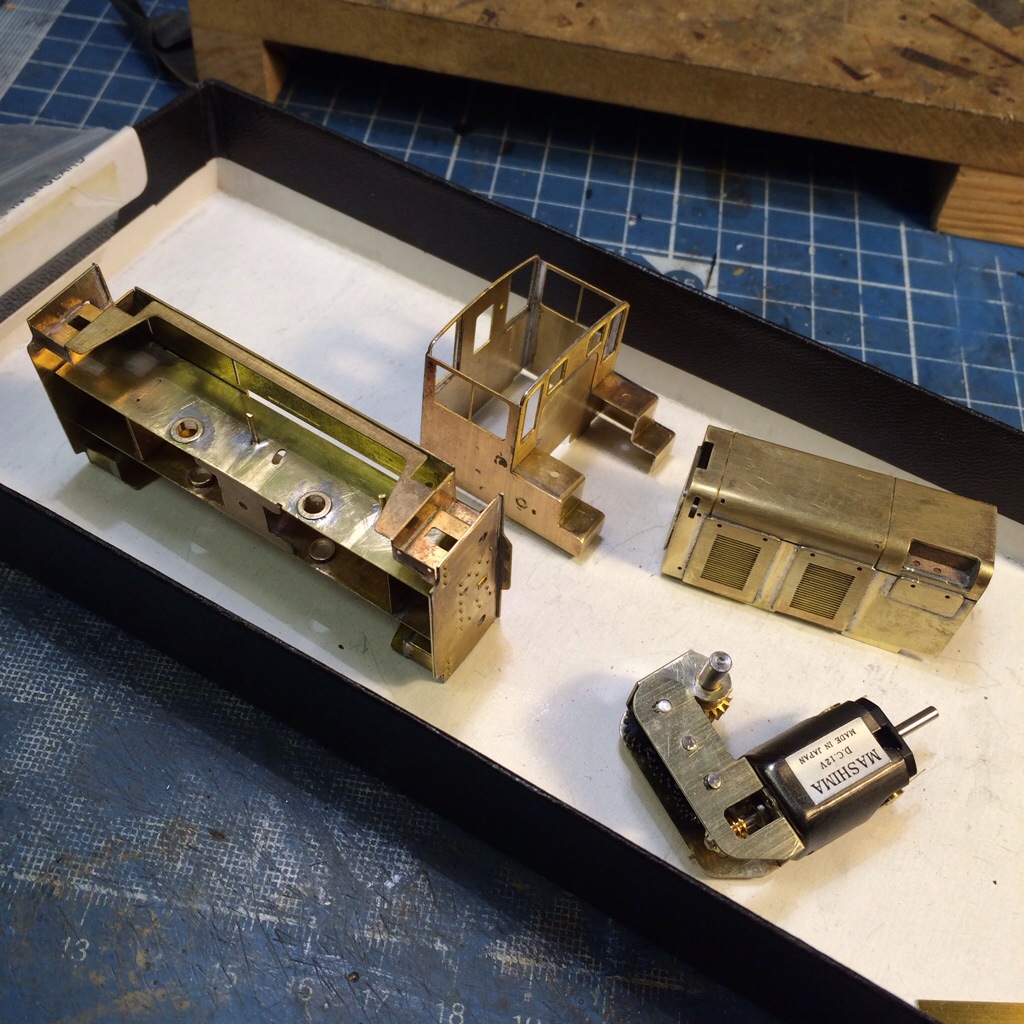
Much frothing has taken place over the past few weeks regarding 02’s of the steam engine variety, I’ve not seen one yet, though Warley show beckons and I may catch up with one there. With the Warley show coming up and Manchester the week after I wanted to add something different to Shelfies roster. I’m quite happy using good RTR equipment but as shelfie is pretty much ‘made by me’ it’ll be nice to add a loco in the same vein.

A while ago I wanted to refresh my loco building skills and had got into stock a few etched kits from the easy end of the spectrum. In that bunch of kits was the Craftsman 02 Diesel shunter. It is a basic kit, and accurate. With the march of time, today it’s worth looking at contemporary motors and gearboxes, rather than trying to find Romford gears and an Anchoridge DS10 motor. To this end I’ve gone for a High Level double reduction gear tower, and Mashima motor, on test it runs very smoothly.

The kit due to it’s vintage has a few challenges in it, it’s not a shake the box model and it falls out made up. The bonnet is pre-formed the rest is up to you. In a strangely nerdy way there’s something quite cool seeing the assemblies form a three dimensional shape from flat etches, particularly knowing you’ve fixed and fettled them to get there. The instructions are pretty good, in their day very good compared to some others, that’s why at MRM we often suggested this very kit as a starting point. You knew that if the customer took their time, they’d end up with a nice model, tons of experience, and a huge amount of satisfaction.

One of the things I’m looking forward to is painting the model, again its been a while since I’ve painted brass. I’ll post how I get on later in the build. As you get to know your way round the model you can see where you can make life easier, the instructions assume the model superstructure will be one module, for painting I can envisage the bonnet and cab as one unit separate from the footplate, and I think I’m likely to make a few modifications to do that. That’s the beauty of a kit like this you can make these sorts of changes, which at the end of the day make life easier.

There is sometimes a mystique that etched kits are really difficult, some are, due to complexity, poor design and in some cases both! This however isn’t one of them. What it is, is a really good simple and accurate kit that can teach, or in my case refresh loco building skills at a reasonable cost. Phil Parker has commented that he hopes a ready to run model of this engine doesn’t come out, as it will effectively remove one of the best etched brass starter kits from the market very quickly, and I can see his point of view.

_B6O4719.CR2

Posted in Bachmann, blog, brassmasters, hobbies, Hornby, Layout, life, Manchester, Model Railroad, Model Railway, Model Railway Journal, modeling, Modelling, OO Gauge, paint, research, skill, skillset, toy train, toytrainset, train set, Uncategorized | Tagged , , , , , , , , , , , , , , , | 5 Comments

Wordless Wednesday Remembrance

20141109-105014-39014891.jpg

Posted in flanders, history, life, menin gate, poem, remembrance, the great war, Uncategorized, wordless wednesday, world war one, world war two, ypres | Tagged , , , | Leave a comment

200 Not Out …

numbers

In the way that odd or interesting numbers sometimes appear on the car dashboard, an interesting one has appeared on the dashboard here on’t blog. That number is two hundred thousand. The number of hits the blog has achieved since I started writing it. The number reminds me of a bit written about us bloggers on a forum ..

“Shame really – if you are going to make the effort to write a blog at all, it makes sense to me to make it available to the widest possible audience. With a personal blog there is little chance of anyone other than a small, dedicated audience ever being aware of it, never mind remembering to read it.”

A quick check of their forum thread indicates they’ve managed to get 1,300 hits and 14 replies over two years, from a membership we’re regularly told of 27,000 members. This chap is clearly someone us bloggers can learn from.

I’m aware that the stats aren’t that straight forward, (see the 27,000 members above, chuckle, chuckle), but two hundred thousand hits is, ‘quite’ pleasing. A friend has his forum thread at close to five hundred thousand hits, so to reach 200k so far means I owe a huge vote of thanks to my ‘small dedicated audience’ of chancers that have passed by.

Thank you very much for taking your time out to read these posts, I genuinely appreciate it.
Paul M-P

Posted in 200k, blog, blogger, blogging, critic, humour, hundred, life, media, Model Railroad, Model Railway, Model Railway Journal, modeling, Modelling, Nevard, Photography, research, review, shelfie, social media, thousand, toy train, toytrainset, train set | Tagged , , , , , , , , , , , , , , , , | 8 Comments