My mate Mr Parker (philsworkbench) gets the low down on a telly project to be filmed this summer, sounds bonkers, and fascinating in the same sentence!

Hattons 14xx 48 xx 58xx
H1401 H1402 H1403 H1404 H1405 H1406 H1407 H1408 H1409 H1410 H1411 H1412
H1413 H1414 H1415 H1416
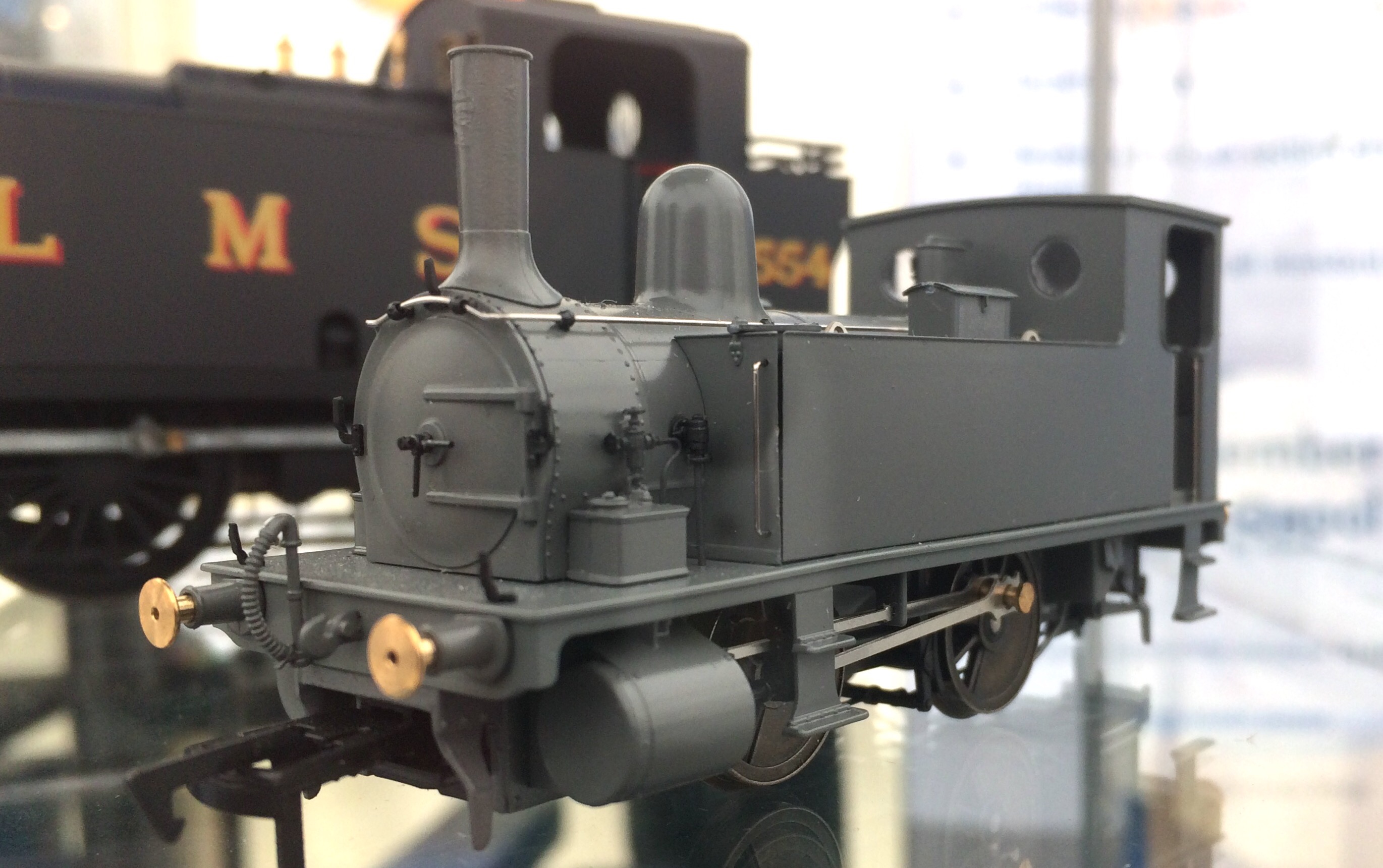
It’s early 2017 and on the desk in front of me is the Hattons/DJM 14xx model. It’s almost a year late from original estimated delivery. Not that that’s an issue, no one dies or died because of it, as far as we know. Late 2014 Hattons announced the project to cover 14xx/48xx/58xx version of the prototype, the one I have here is H1410 58xx 5819 in plain early British Rail black. The announcement included the following paragraph
‘Our new, highly detailed model will be designed and produced in partnership with DJ Models and will set new standards for a ready-to-run small locomotive with levels of detail only previously seen on high quality brass locomotives.’
For my Forest of Dean (FoD) Project one or two could be useful, they weren’t seen as numerous or particularly regular locomotives in the areas and era I’m interested in, but there were two engines to catch my eye, so I’ve got one here to see if it will work for what I want to do with it. The locomotive immediately looks ‘good’. The packaging is effective, the engine cradled in a vacuum formed tray surrounded by dense foam in a strong cardboard outer box. Very similar to some of the Heljan packaging. The paint finish looked good no obvious blemishes the detail pack was included, with a well illustrated set of instructions, and illustrated parts diagram. Within the paperwork theres no prototype information, it would be nice to have even in a very basic format such as provided by Hornby and Bachmann. No components had fallen or were falling off, and a cursory test on ‘Shelfie’ and rollers proved the locomotive ran reasonably straight out of the box. So happy with the basic check, it was deeper into the mancave for a more detailed look.
Does it meet the original public customer brief outlined above? For a simple answer, yes and no. As with the DJM fanfare for the J94, reviewed here (j94 ), does it set new standards? No I don’t think it does, unfortunately there’s nothing across the model that I think of as a ‘new standard’, does it set a benchmark (rather than standard) for levels of detail? In one or two areas yes it does, a quick list, separate tank top lift rings, opening cab doors, whistles and whistle guard, smokebox door dart, smokebox steam lance fitting, pipework and conduits across the model, and bunker lamp irons, are the sort of small detail captured incredibly well on this model. Looking to the cab interior that too is very well detailed, both the backhead and the front of the rear cab bulkhead, opening cab doors and it’d be great to see similar features regularly across other manufacturers ranges. With daylight underneath the boiler a representation of the inside motion between the chassis frames is visible and far more effective than the filler plate provided for the DJM J94.

Hattons 14xx 48 xx 58xx
H1401 H1402 H1403 H1404 H1405 H1406 H1407 H1408 H1409 H1410 H1411 H1412
H1413 H1414 H1415 H1416
Rear cab windows and their associated protecting bars are well captured, allowing good transparency and light in to the cab. The boiler fittings chimney and dome are for me, ‘not quite there’. The chimney particularly where the base flare meets the vertical stack is too clearly defined, it should be much more subtle, conversely where the dome meets the boiler, the join is too subtle with the dome seamlessly transitioning into the boiler. There is a significant variation on the prototype on how visible this join is, on some engines it is visible but virtually seamless, on others it is very apparent, particularly above the boiler band strap which sits beneath it. Undoubtedly a factor of the panel beaters trade! The dome itself looks to be about 1mm too high perhaps accentuated by the lack of the seam line around the base. The boiler band strap is also missing on this model to represent this join between dome and boiler one of the tasks I’ll consider is adding the missing boiler band with a lining decal, and scribing the missing seam line, or perhaps using an Archers weld line decal to show the join line. The mould line for the boiler runs top center along its length and on this example almost invisible.
The cab front plate has a couple of small mystery holes at the bottom near the whistle guard, none of the images I’ve got access to show these holes, on any of the three classes in the Hattons range, a simple dab of paint will fill those. The front cab windows are slightly too square at the corners and should have a more rounded corner. The front of the cab is double skinned the backhead and faceplate being separate to the cab front. This gives a thick appearance to the front of the cab and window section, and for me will mean that I do some work here to ‘thin’ the cab front plate.
Whilst on the cab the locomotive number plates are etched and recessed into the cab side. This gives them an incorrect flush appearance, as I’m changing the locomotive identity anyway I’ll either remove them of just overlay them with appropriate plates. The Hattons cab plates are just covered by a Modelmasters plate so if you’re changing the identity of yours I don’t foresee any problems. It’s an element of the design I don’t like, the Great Western plates were noticeable, standing proud of the cab sides and this feature removes that. The model is fitted with sprung buffers, unfortunately the springs within them are far too stiff, for me, who actually makes use of the sprung buffers this is frustrating, and makes them ‘worthless’ as an operating feature.
It has a fully geared chassis similar to previous DJM design releases where the gear train provides drive to the axles and the coupling rods are cosmetic. I’ve tried the locomotive with both DC and DCC. On the flat it runs tolerably well but not as good as other recent releases J50/USA/Peckett, this doesn’t mean it’s a bad runner, just not as good. For shunting the locomotive doesn’t exhibit the same finesse of control that the previously mentioned examples have, occaisionally exhibiting a ‘cogging’ movement. In reverse the locomotive exhibits a slight jolt as it strikes the frog on a Electrofrog Peco Code75 curved turnout, the back to backs appear good so I’m left wondering if this is a wheel profile thing, the J94 also did the same, and only with that particular curved turnout. No other RTR stock or finescale wheel set shows the same problem. The DCC control test was performed with an NCE Powercab and Gaugemaster DCC28 decoder. With the decoder fitted the running at low speed is good with no cogging evident, as it transitions from low to medium speed there is a rapid acceleration. As this doesn’t occur in DC my feeling is that it requires the CV’s adjusted to match the decoder, as I don’t use DCC as a rule this fine tuning adjustment is outside my scope of interest, for DC the running is good but not excellent.
Fitting the decoder is relatively simple. The smokebox door is removed and the decoder board pulled forward. It takes a six pin decoder, but take care when pushing the decoder back into the boiler. There’s limited space and one of the wires came adrift on mine which took a bit of searching to resolve the problem as it was so difficult to see.
Sound can be fitted, there’s space and wires inside the bunker to fit a small speaker which is a nice touch. Having recently fitted a Loksound micro into a 64xx, I’m not convinced there’s enough room in the boiler space without a bit of work to fit with this model. Other decoders may of course fit without a problem, there no recommendation in the instruction for a particular type, which would perhaps have been useful.
Visually the chassis is a mix of good and not so good. Like the J94 there are cross head screws that are visible in the side of the chassis. Probably not a deal breaker for most but as my layouts are set at a track height of about 50 inches, this is noticeable on my type of layout. That also leads to the brakegear which is incomplete, the pull rods should run the length of the locomotive and finish underneath the cab, on this model they end behind the second set of driving wheels. This also highlights the lack of the ashpan which hangs between the rear drivers and rear pony truck so the profile of the chassis is too regular and this is quite a noticeable feature. Both of these omissions are quick and easy fixes, for the likes of the cottage industry detail trade perhaps some low hanging fruit for a detail and improvement etch.
At start using DC (Gaugemaster ‘W’), depending on where the coupling rods are sitting you can see the drive axle (centre) rotate a fraction before the leading axle. In DCC the rotation isn’t apparent, they both move simultaneously, very odd. The coupling rods have significant slop around the crankpin, exactly what we’re told to avoid as chassis builders, there’s also significant lateral movement on all three axles. One of the benefits of this type of geared chassis is reported to be improved running, so far that claim doesn’t match my traditional kit built or RTR chassis using a ‘simple’ single axle driven gear. None of the axles has any vertical movement. On ‘Shelfie’ my Cameo layout, the fiddle yard in its current configuration hangs at an incline of 2 degrees. There is an almost imperceptible dip in the track on the fiddle yard, on the downhill direction at low speed the model shows a tendency to bind at one particular point. The track is Streamline CD75 and I feel it’s likely to be a motor/drive train peculiarity. The chassis when disconnected from the body and motor gear worm, will freewheel though this same section unhindered. If a locomotive has no vertical movement at all and limited weight this simple dip can cause wheel spin as the model passes through the gradient transition, this occurs with this engine, when pushing five normal Bachmann 14T tank wagons. It also occurred with the Oxford Adams Radial prior to the front bogie modification they subsequently made.

Hattons 14xx 48 xx 58xx
H1401 H1402 H1403 H1404 H1405 H1406 H1407 H1408 H1409 H1410 H1411 H1412
H1413 H1414 H1415 H1416
More weight will likely resolve this issue, without the speaker fitted in the bunker I may well add a bit in there. As far as the running goes I’m wondering if the rods are improved, and side play reduced, if the low end running will respond accordingly. The crankpins seem over length to me even allowing this is to run on second radius curves, with both lateral axle movement and fore and aft movement of the rods then I think some of the running qualities have potentially been compromised. Looking closely at the coupling rods they are painted silver, Larry Goddard has improved his by dipping them in cellulose thinners to remove the paint, and following his example I’ve done the same. The reason for the coupling rod slop is apparent as soon as you remove the crankpins and washer, the rods have oval crank pin holes. Prior to finding this I thought there may be the opportunity to improve the rod fit by bushing and re drilling them. This clearly won’t work easily so I may try a set of Gibson 4M75 coupling rods to see if they improve things. Again bear in mind the running isn’t poor, just not as good as I personally want or expect from contemporary releases.
With an interest in EM I had a look at the practicality of a conversion. The first thing that jars is the driving wheel size, just over 1mm too large in diameter and the bogie wheel about 0.5mm too large as well. The overlarge driving wheel gives rise to a slightly enlarged front splasher too. They are all in proportion to one another so it doesn’t shout out that they’re oversize except for when you start coupling stock which has a correct running height. As a three link user this is annoying but I can live with it for the time being. The split chassis design and gear train means that a straightforward wheel swap isn’t an option, perhaps the easiest route being a High Level chassis substitution, which will resolve the excess diameter wheel problem and give suspension too.
The existing chassis is hardwired to the motor leads meaning that taking the model apart for maintenance is challenging. In the event of a motor failure the chassis will need to be removed. On this model the rear injector pipes are glued from the chassis to the footsteps meaning cutting them or as I did breaking them away from the rear steps. The vacuum pipes need disconnecting at the buffer beams, and the front sandpipes need to be twisted clear of the front brake hangers to allow the chassis to be removed. The fixing is one screw each end of the loco underneath the NEM coupling socket, and one between the central sandboxes. The chassis will then come away from the body and the leads will need to be unsoldered to allow any further work.
So what do I make of it overall? It’s a bit of a curate’s egg for me, there are some really good bits and others where I’m left thinking, why? It captures the look and character of the prototype, the detailing and decoration are very good, as is the fit of components. The fit of the cab roof and how it separates is exceptional the join lines being invisible, far better than the Bachmann 64xx. The nameplates being recessed for me isn’t a big issue, a very simple fix with aftermarket sets. The short brake gear and lack of ashpan is frustrating but like the cab plates fixable with little effort. The wheel diameter oversize is just odd, no logical reason I can think of unless it’s a drive train/gear size requirement. And the impracticality of doing maintenance is just frustrating. It leaves me feeling a little deflated, it’s better than the J94 from the same design stable, but the overall performance not as good as the Hornby Peckett for example. We should recognise a small 0-4-2T is always going to present challenges to a manufacturer, particularly getting weight and traction down effectively and to be cost effective to produce. Hattons/DJM have managed it to a degree, overall it looks excellent and performs well, certainly for most of the market it’s aimed at. But it’s still not lighting any fires here. For me that reason lies within the chassis and drivetrain, it’s just not as effective as it should be.
Would I get another one? I don’t know.
If I could get a body and fit the High Level chassis, undoubtedly yes, I would…

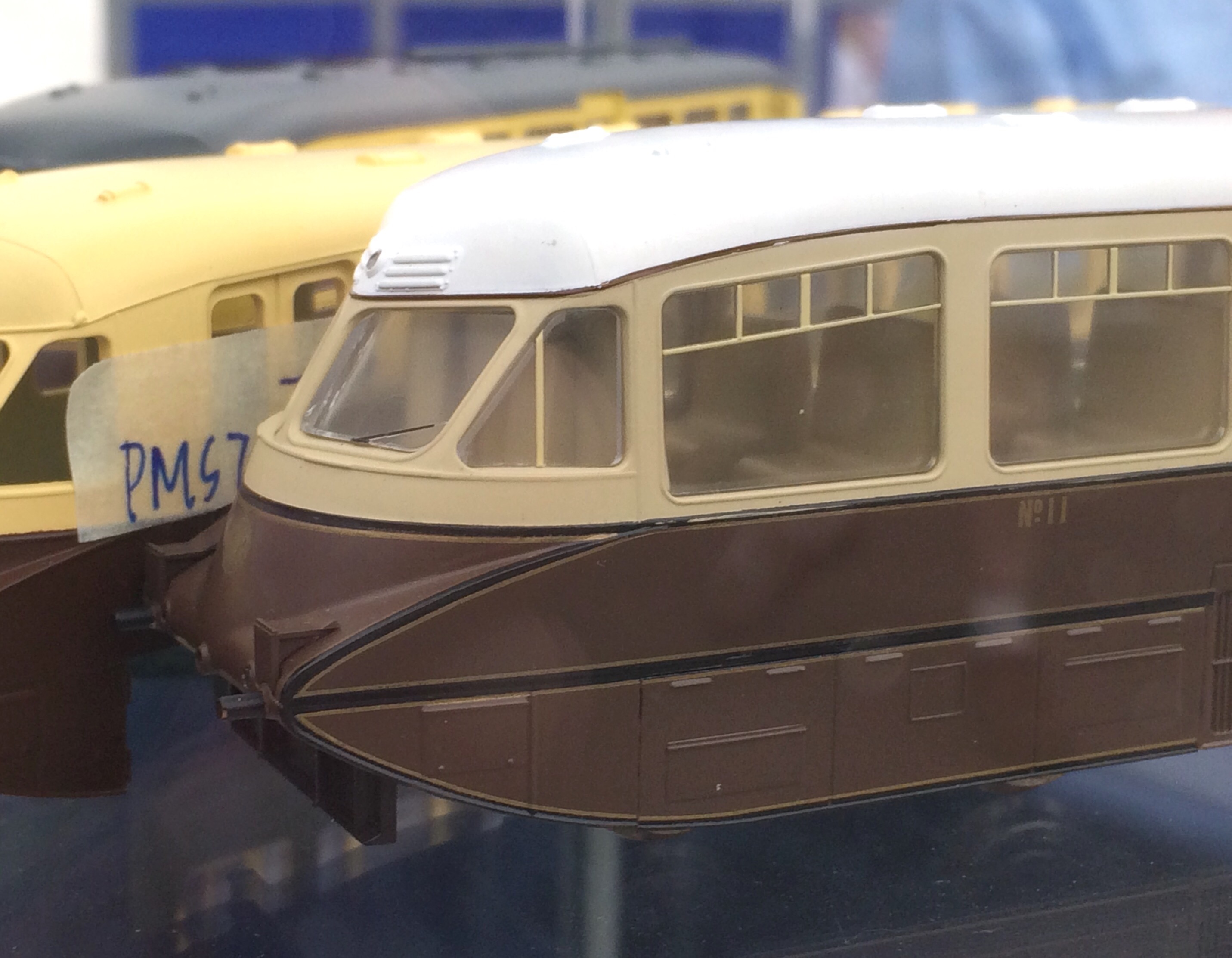
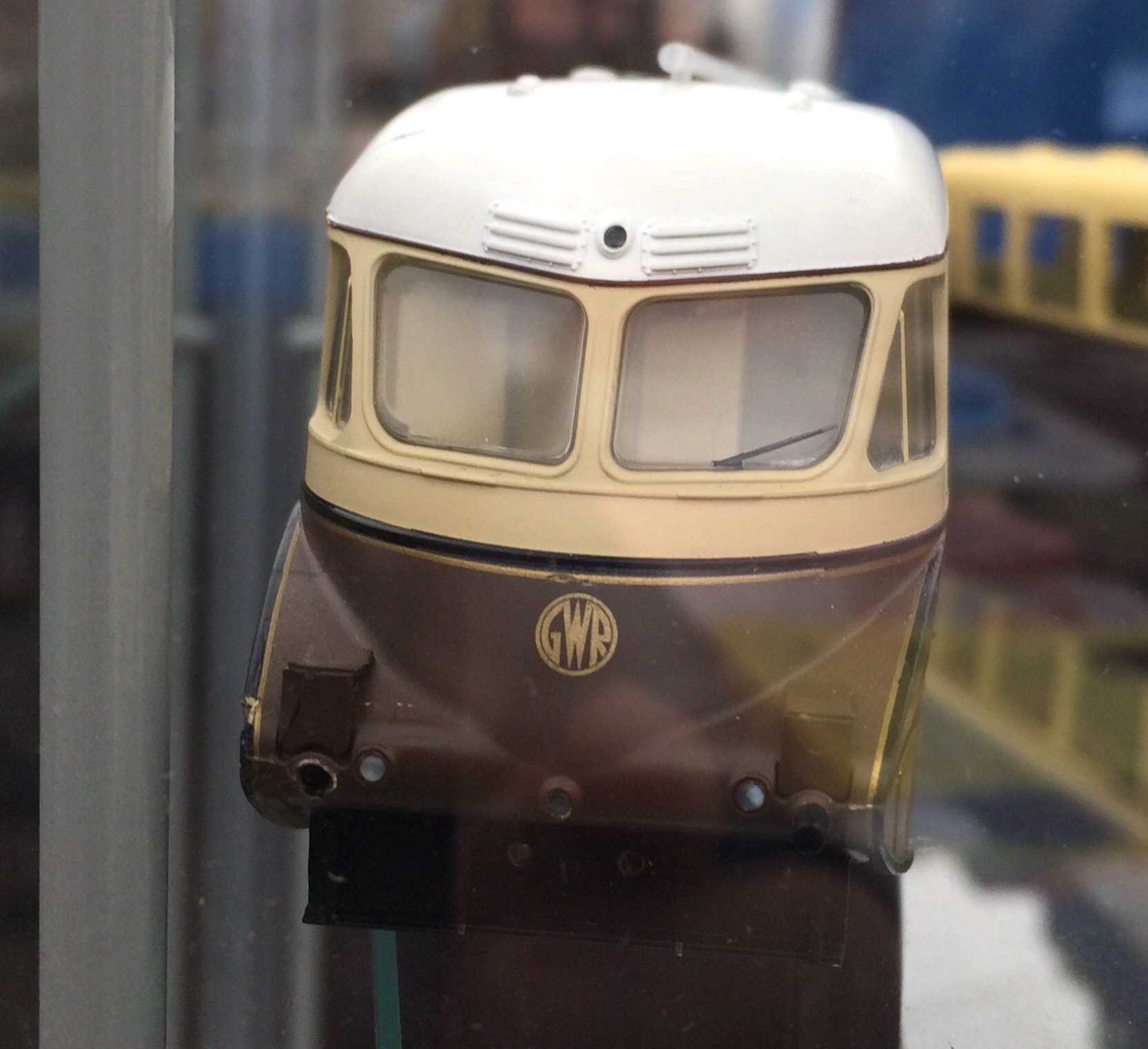
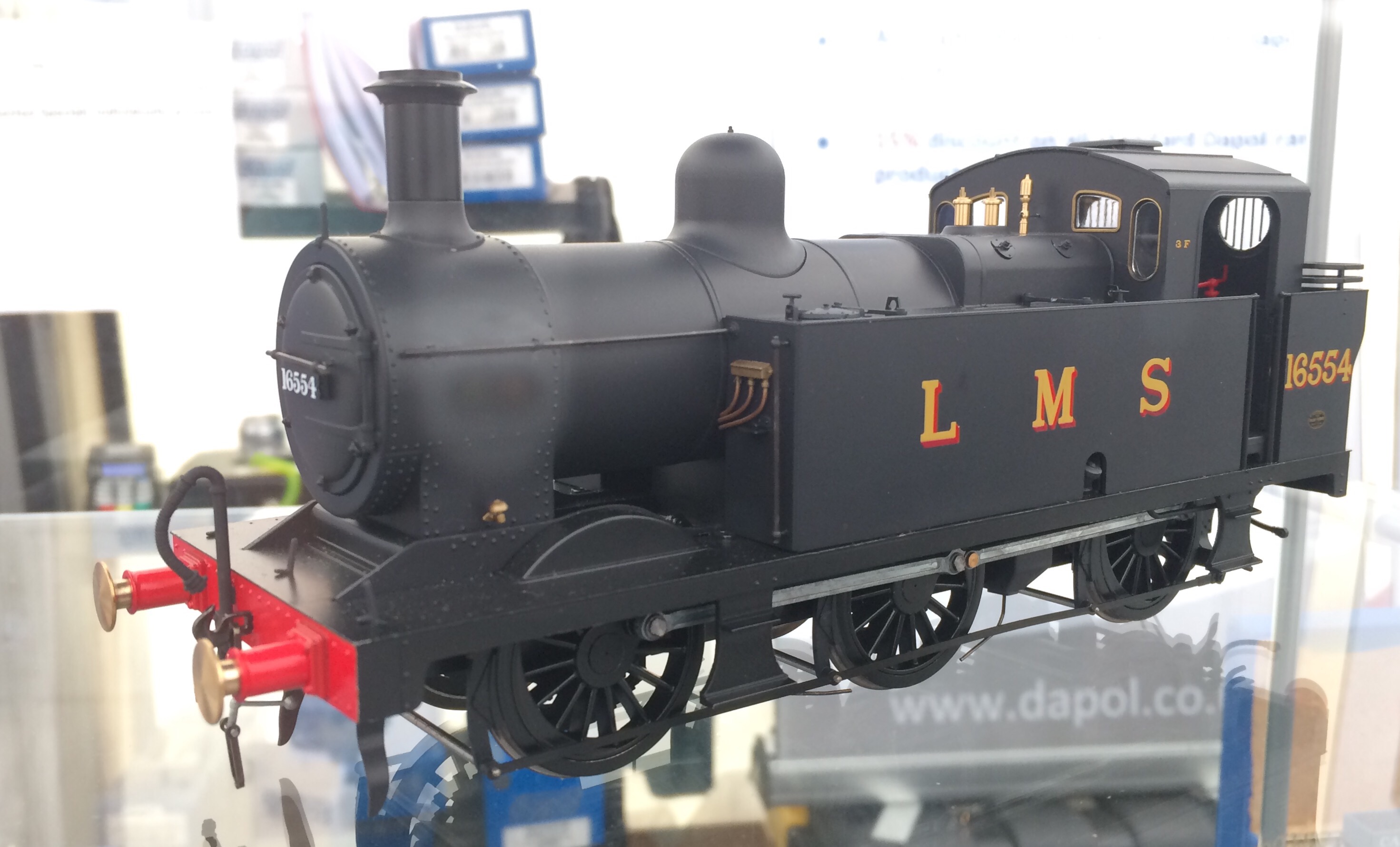
Further notes from the 2017 Toy Fair. Returning to the Oxford stand the Golden Valley 0-6-0 Janus Diesel shunter was available to view in painted format. Bear in mind these models have been handled by production teams as well as visitors so they get a fair bit of handling, hence the missing buffer on this example. Release date is very close on this, with it likely to nudge into the second quarter. Two of the seven plank private owner wagons, accompanying this loco’s liveries were also on show.

Three livery versions of the carflat were displayed, the BR blue looked a little on the light shade. Weathered examples looks like an overspray, rather than some of the more complex printing styles that Bachmann have recently introduced. Release anticipated in the second quarter retailing at £29.95.

MK3 samples were shown in InterCity swallow liveries. The paint samples looked very good, opaque and clear legible printing with clearly defined edges. The colours looked about right as I recall seeing them. New liveries announced include Scotrail, Stobart Pullman and Virgin Trains West Coast livery. The internal lighting showed no evidence of flicker, pick up is through the bogies and electronics within each coach ‘smooth’ the current to minimise any flickering. Colour of lighting and glazing looked correctly subdued as did the internal detail. All types retail at £34.95
Livery delivery expectations as follows.
BR Blue Grey, FO/TSO expected second quarter, RUB fourth quarter.
Intercity Swallow, FO/TSO expected second quarter, RFM third quarter.
Scotrail, FO/TSO/CO third quarter.
Virgin West Coast, FO/TSO/RFM third quarter.
Stobart Pullman, FO fourth quarter.

Apologies for camera shake on this one! The Dean Good is released with a snowplough as part of the standard range and will be available with DCC sound fitted. Final design of snowplough fitting to the locomotive is yet to take place with discussion yesterday on the possibility of using the NEM socket as part of that assembly, allowing a purchaser to use the locomotive as normal roster stock without the plough. Snowplough fitted are expected third quarter, in time for the Daily Express to warn us of the coldest/hottest winter to come, ever!

The seven plank will get several new liveries including a re-run of the Weymouth CO-OP livery (numbered 9). The model has sold exceptionally well, and there are Coke variants for 2017, with two rails added as per the image. Body and chassis details remain as previous issues. New liveries/numbers also for the LNER 6 plank, 4 plank and LNER/NE cattle wagon. I didn’t look to see if any tooling changes had taken place on the cattle wagon, however none were mentioned.
Hornby had examples of the EP’s shown at Warley, the GWR/WR Toad being of particular interest for me. The stand was very busy throughout the day, but as at Warley the current team is definitely very interested in the product and its development. Last year Airfix were proposing a see through/cut away Q6 locomotive in their engineers range. Apparently this model is not in current plans to be produced. Bachmann with their expanded portfolio of companies were there too, but with no additional products from those announced earlier in the month. It was interesting to see that with the audience of Toy shop buyers who naturally go there, that the Bachmann range has potentially had a wider exposure to buyers from the high street who may not normally come across the product. It was an interesting day out and thank you to those trade representatives who tokk the time out of their day to talk about their products and plans, it was much appreciated.
The last few hours of 2016 ticks away, outside low cloud envelops this deeply rural welsh valley and the log burner is crackling, filling the Barn with warmth. There’s no sound travelling up from the village and it allows me to sit and draw plans, make notes of future projects.
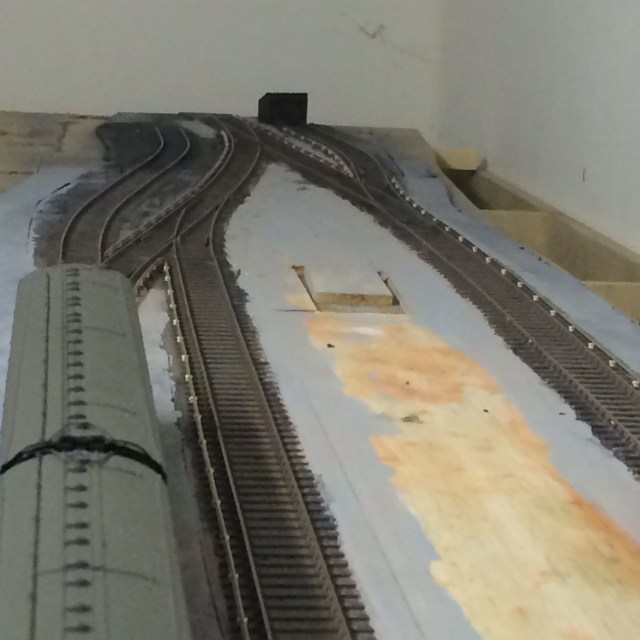
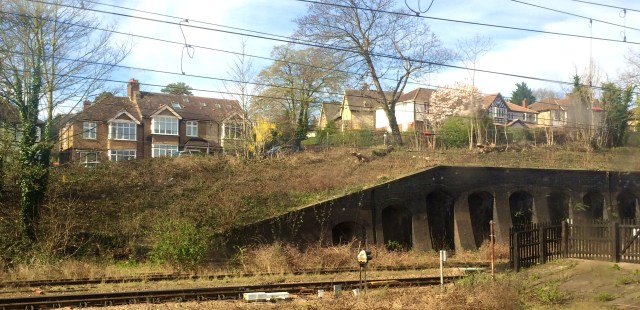
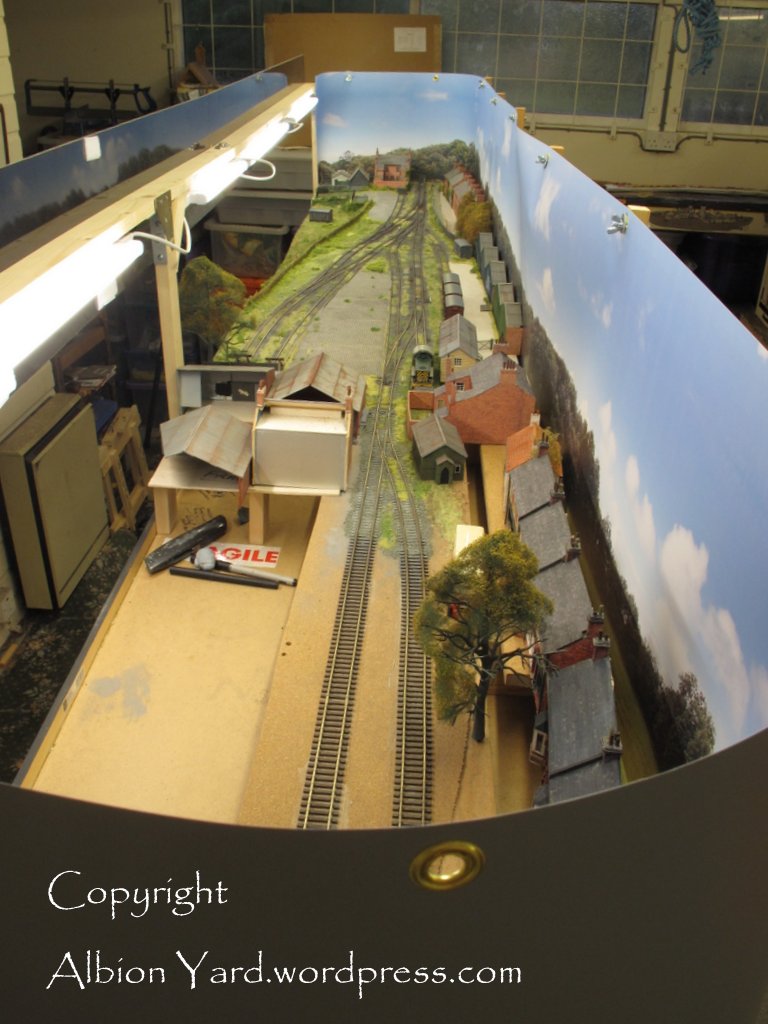
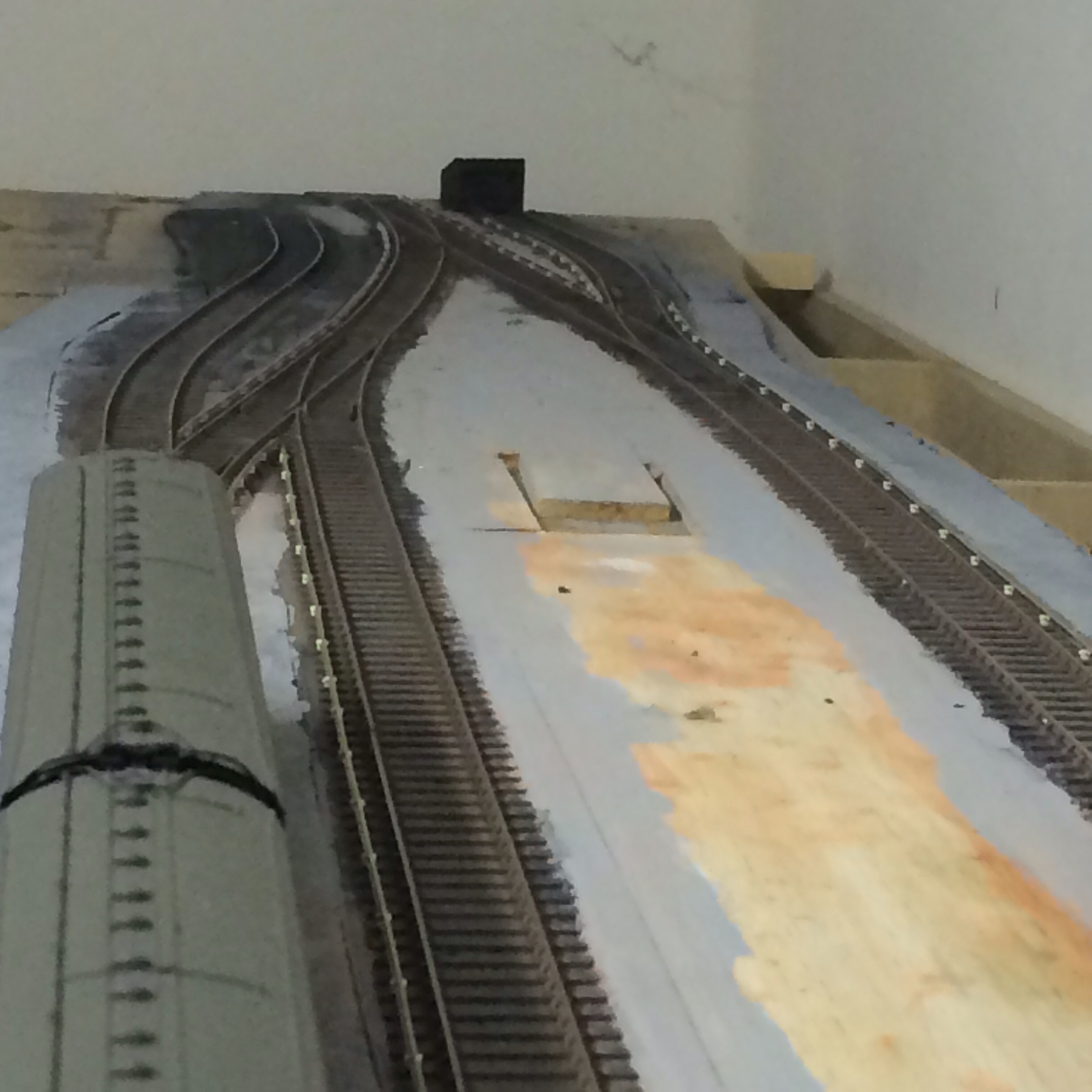
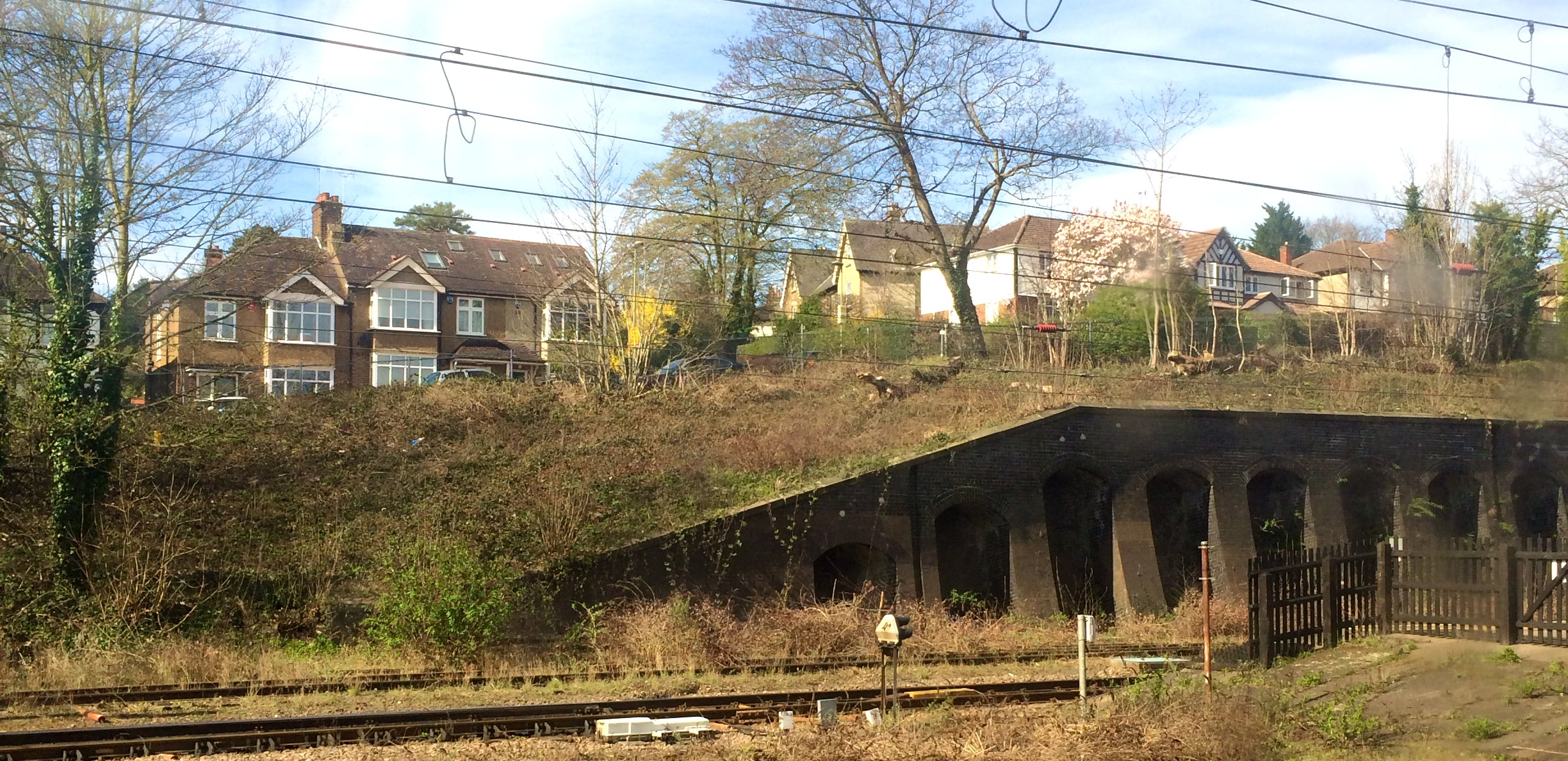
I’m working through the planning stage of my future Severn and Dean project. The tranquility we find at the barn allows us to just relax, and I’ve brought a drawing pad, a couple of research books and ‘time’. Within the drawing pad I make a mix of sketches and notes, some of which will never be used, but at least clear the air in terms of knowing ‘that ones not for me’. I’ve worked out which sections I want to concentrate on, not to make a model of, but a model based on. Notes include the geographical orientation of the location, to make the model plausible the train has to work from the right direction, this means the track plan works like the prototype. The type of train, engine and stock need to be right to work at the location or pass through en-route elsewhere on the system. Notes on the location include brief annotations of the type of features seen, these give me a good idea on the style of presentation needed, and access for tasks such as uncoupling. It’s a really useful tool to help decide what to include and more importantly what to leave out. It’s still left me one problem, one location Eastern United Colliery at Ruspidge, is definitely on the ‘wants’ list. It is linear, in a steep sided valley and has the operation and appearance I want to provide a real link to the eastern Forest lines. The problem is the coal screens, like many the wagons gravitated through the screens to the loaded sidings. With the real thing, you have real mass, with these ‘toy trains’ capturing that realism becomes far harder, and I’ve still not got my head around moving cuts of four or five wagons a time to replicate those movements. It’s a clear case for compromise, losing the operational authenticity on one hand, or perhaps deleting that location entirely, it being a compromise too far!
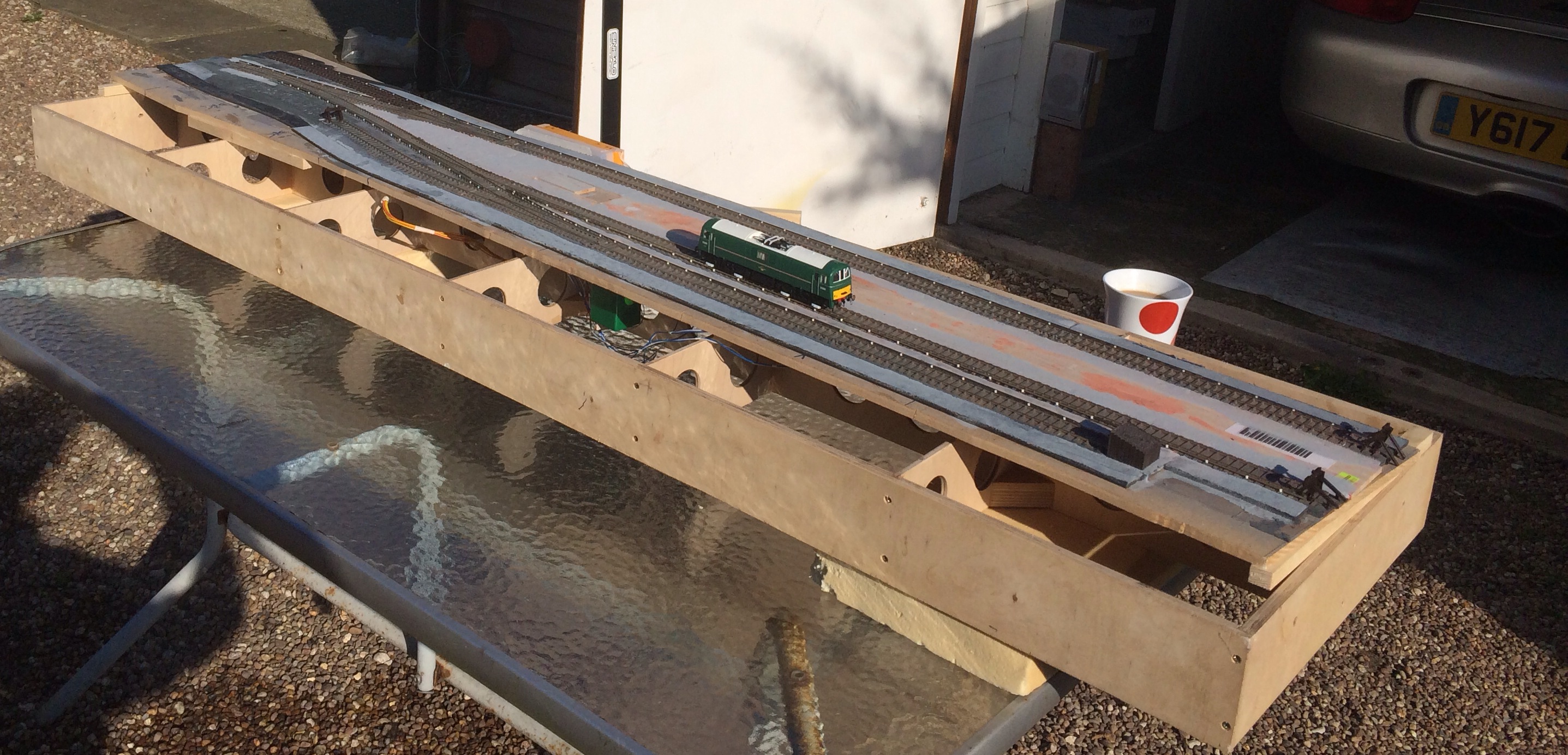
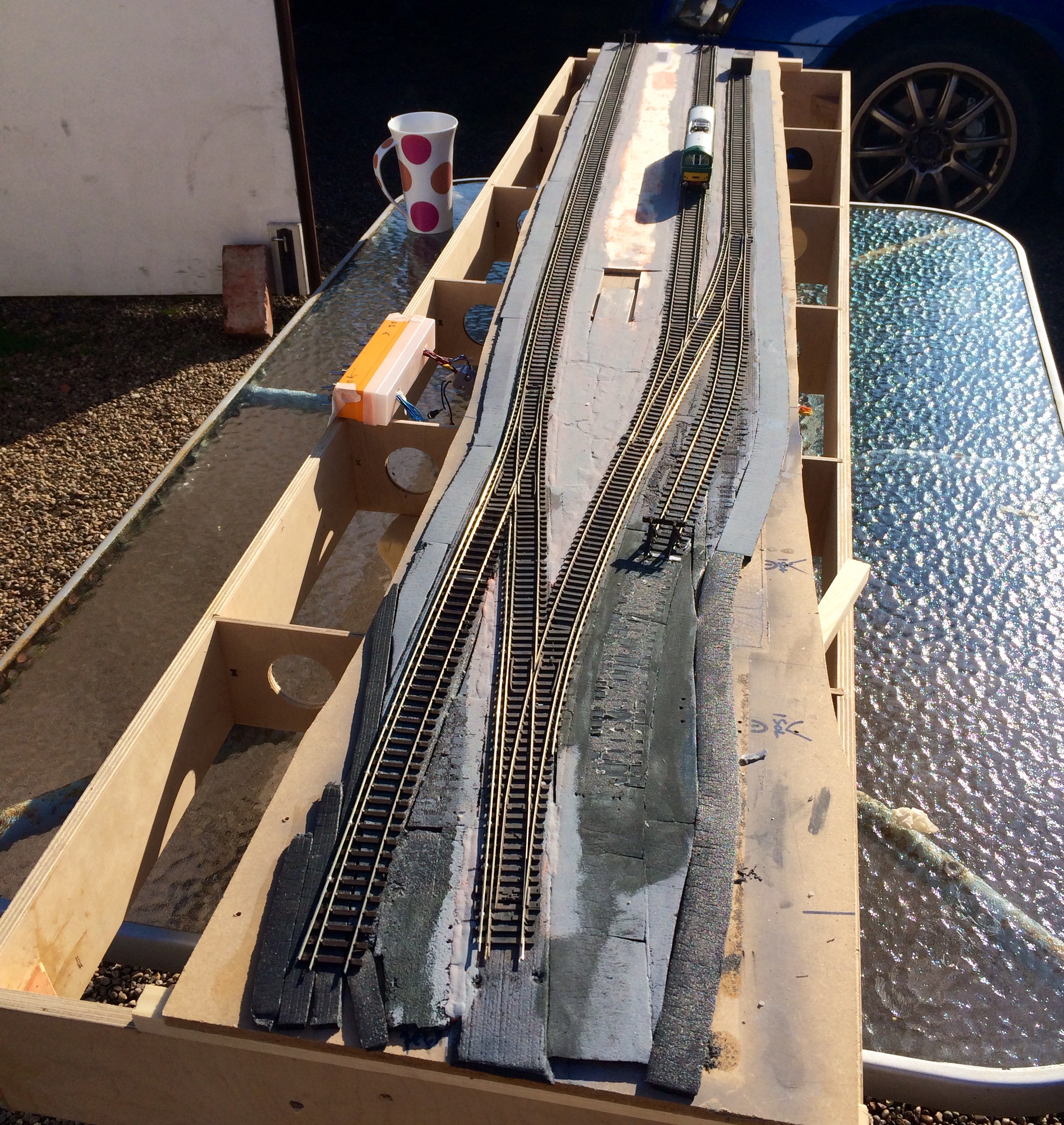
Another area of consideration is the fiddle yard, I’m keen on having as little in the way of wasted space as possible. One thing that appeals as it is one of the locations under consideration, is using Bilson Junction as the fiddle yard. It’s a linear junction with prototypical forming up of trains, and significant storage, certainly enough to keep an operator or two occupied. There’s a reasonable amount of information on how the junction was worked which may help the big scheme out. Imagine a stereotype roundy large layout, scenery one side, and a ‘wasted’ section of storage sidings the other. By doing Bilson I get storage and scenery combined and add prototypical operation, what’s not to like? Well apart from it means the space requirement for the rest of the railway gets eaten into, and I likely have to drop a location I’d like to build. Such are the joys of getting all your ducks in a row!
So going back to the beginning, it’s the end of 2016, thanks for reading regardless of if it’s your first time or if you have been on the train since it departed! Please also try to look through the blogs linked via the blogroll, there’s plenty of interesting reading and inspiration amongst those other modellers and writers, and I wish them and yourselves best wishes for the coming year.
You must be logged in to post a comment.