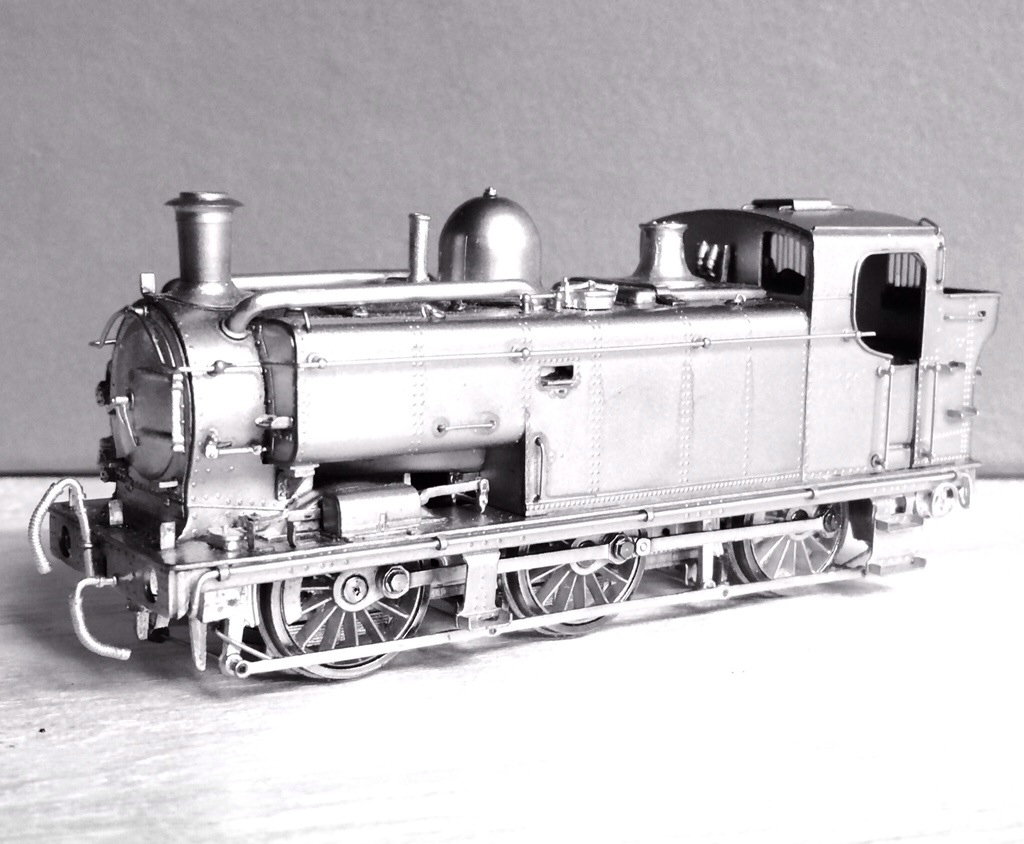
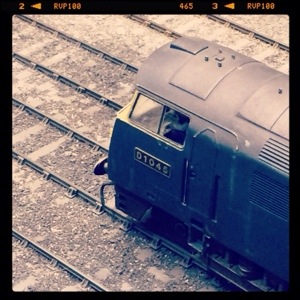
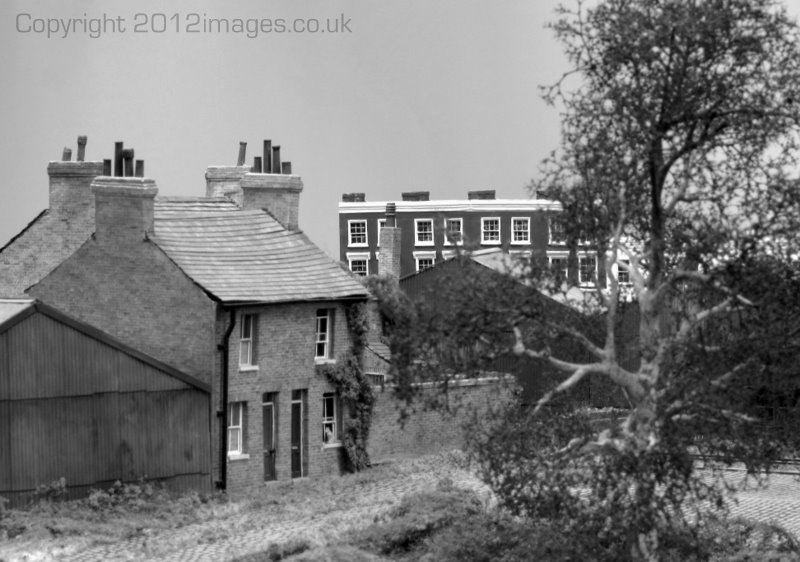
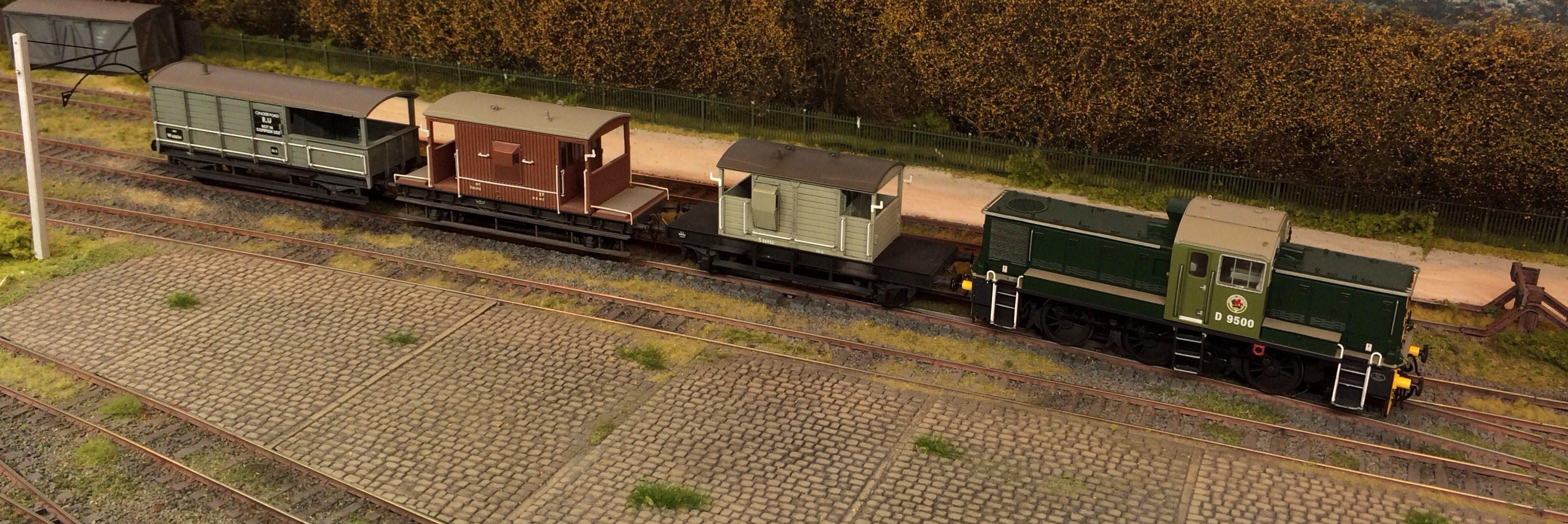
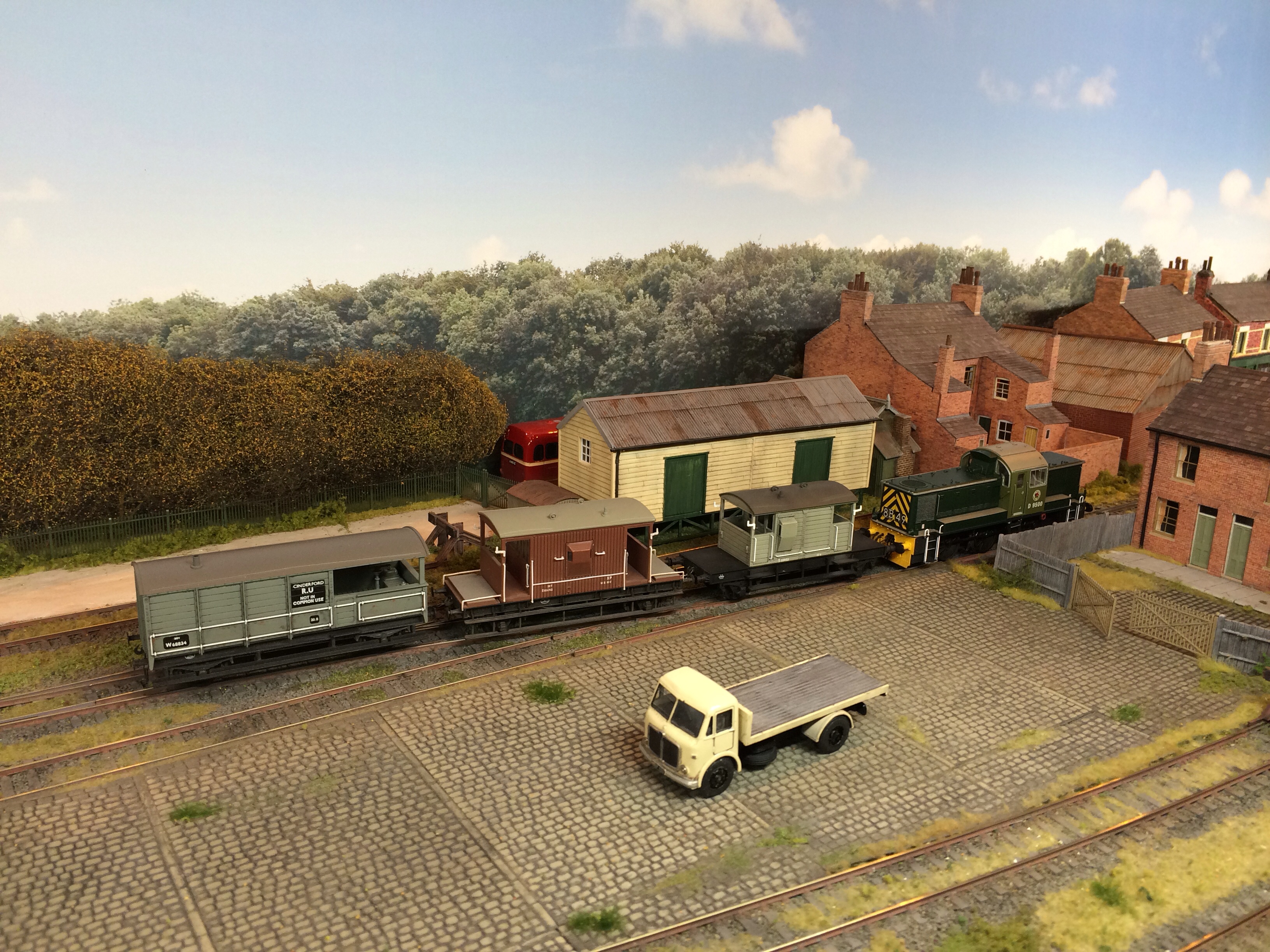
2014, Year of the ‘Shelfie’ / Selfie

'Shelfie'

‘Shelfie’

2013 was, we are told the year of the ‘selfie’, basically a self portrait taken with a smartphone or tablet and bunged on the interweb for millions to drool over. Interestingly there’s some research that shows that if you are looking at some kind of text on a web page or social networking service and there’s no image associated with the text, people have less trust toward that information.The picture of the photographer/author/subject is in effect a key to authenticity or belief in the information itself. That’s why I tend to put pictures on the blog. I can rabbit on as much as I like, but a picture speaks a thousand words, and if I’ve done something I can show I’ve done it, Even if its crap.

I’ve not had an update on here for a month or so now, so apologies for that, the blog has now had over 108,000 hits which is incredibly humbling and thank you for taking the time to come and read, the stats tell me its worth the effort. The reason for the lack of postings is threefold, firstly a natural ebb and flow in the interest of modelling and writing/illustrating, secondly preparing layouts and scripts for filming later this month, and writing for a new resource, which has been challenging and enjoyable simultaneously, with the invitation to write more material, which I shall endeavour to do, (media tart that I am)

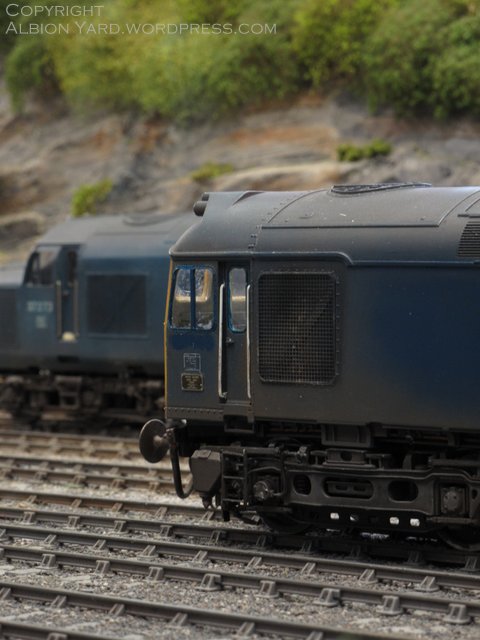
So, ‘Shelfies’?, whats one of them then? Well its a shelf layout, i.e. not very deep. It is also a ‘selfie’ too, as its a single person project and can be designed,planned and constructed by one person. The depth, or lack of, creates plenty of challenges, in achieveing a realistic feel to the layout. I’m working on a project at the moment for the DVD where the layout is just under 30cms in depth. Within this I’m aiming to use forced perspective, I’ve done this before using Albion Yard see here;

IMG_3849

but this is the first time I’m doing it in a very very restricted area in 4mm scale. This image above is a mix of 4mm and 2mm scale items across a depth of 45cms or so. Retrospectively it was quite easy to do at the time, as even with 45cms you have a good area to use in terms of depth. I’d had some experience in this ‘Shelfie’ design and build concept with the ‘Collier Street’ Railway Modeller/Peco project layout I built in N gauge. This has been invaluable in preparing the current layout, you get a feel for when ‘the wheels are coming off’.

Collier Street

Collier Street

When you get to the narrower board I’m currently using theres a whole new ball game of getting everything to work together to make a sense of depth in less than 30cm, not to mention adding a working 4mm/ft scale trainset running through it too. To keep my interest the layout has to function and look plausible, this was one of the big stumbling blocks to start.

Blue For You

Blue For You

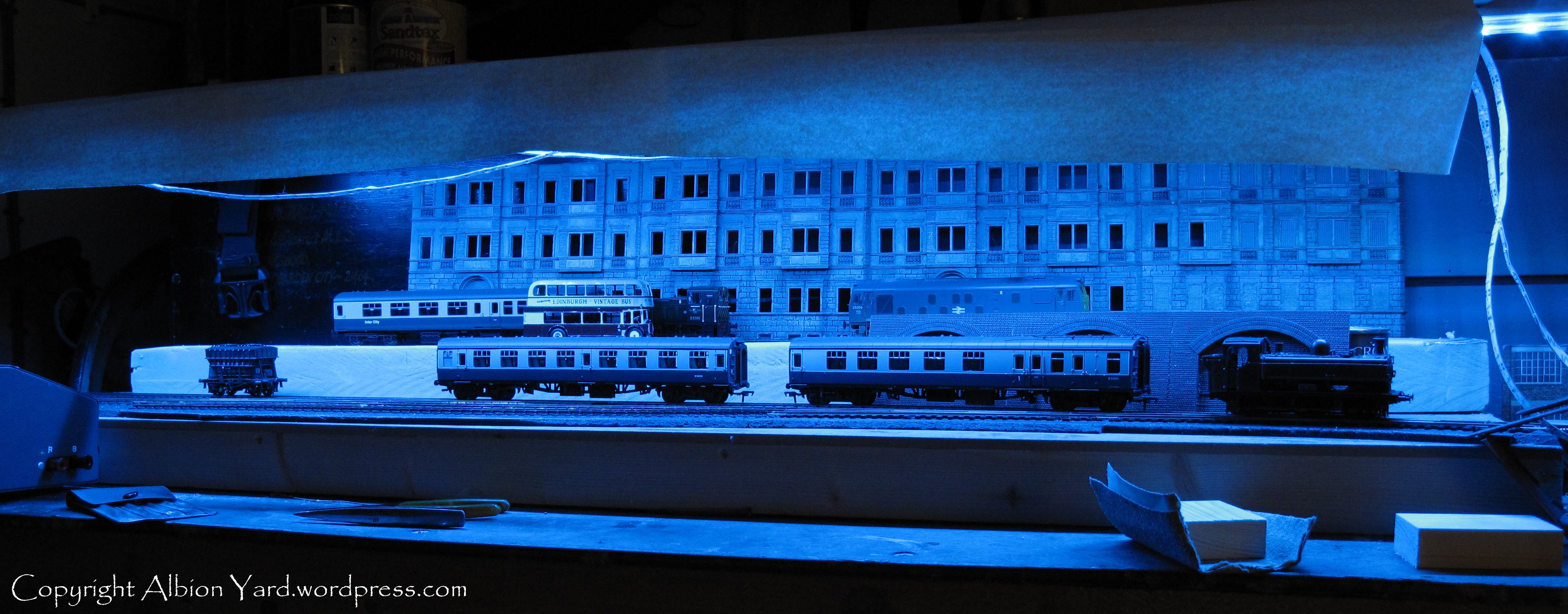
I’d got off to a flyer initially but then I got more disilusioned as I realised what I was making didn’t ‘work’. The above shot gives an idea of the ‘failed’ design, even playing with different lighting effects made no difference. The visual/plausible and practical factors were all conflicting, because what I was making was unrealistic. When you realise this its time to bite the bullet and get back to basics, and redesign/plan/build. Many dont do this and undoubtedly thats the reason for any number of stalled projects, uncompleted layouts, and poorly finished examples that are around, you’ve got to be in it to win it! For me this meant pretty much starting again, but with the same track plan and area. What I’ve made in its place has suddenly come together over the last week or so, which with filming at the end of the month is cutting it very fine. But at least my ‘Shelfie’ now works, in all senses!

Aberbeeg   'S7'

Aberbeeg ‘S7’

This weekend at Nottingham, I get to mess around with Simon Thompsons Aberbeeg, Welsh valleys in Scale7 it’s whats known as a large layout, and its great fun to operate with a great team too. I’ll also be handing over a new test print of a digital backscene, with what I think will be a unique presentation, it’s certainly out of our comfort zone and not of a style or design I can recall seeing, test projections of it worked well. Completion is a couple of years off yet, but it’ll be a talking point and may break new ground in a similar way that Albion Yards backscene has done.

_B6O4719.CR2

Posted in Bachmann, British Rail, Canon G10, DCC, dcc sound, Exhibition, hobbies, Hornby, Ian Futers, Industrial, Kalmbach, Layout, media, Midland Region, Model Railroad, Model Railway, Model Railway Journal, Modelling, Nevard, OO Gauge, research, Scottish Region, selfie, shelfie, social media, Southern Region, Uncategorized, Western Region | Tagged , , , , , , , , , , , , , , , , , , | 4 Comments

Happy New Year Bargain!

A quick post today to say thank you for everyone who has read and commented on the blog over the past year, I hope reading the blog has given you as much enjoyment as I’ve had writing it. 2013 was a good year overall, the layout featuring in Railway Modeller, Model Rail, snapped by Mr Nevard http://nevardmedia. , and attending a four shows Lark Rail, Model Rail Live, Manchester (Visitors Cup winner), and Warley. To those of you who came and saw the layout, thank you for your comments and interest, My team of Al R., Ian M., John A. , Pete K., Phil R., Simon T, all really enjoyed ourselves and meeting you.

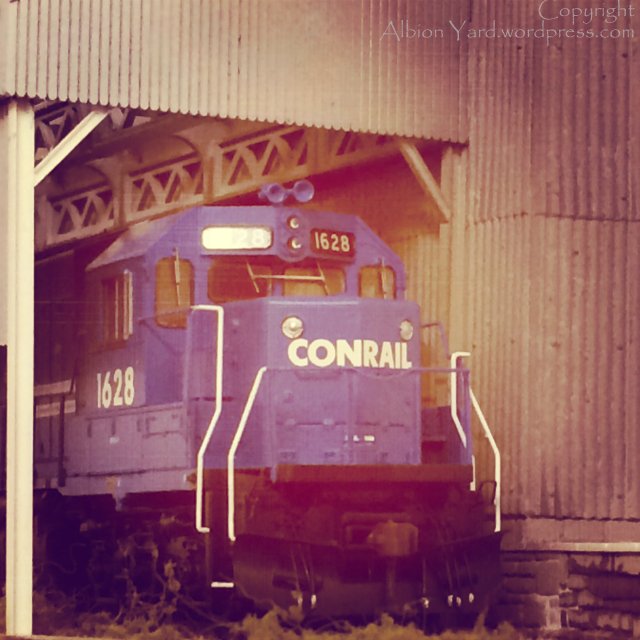
Athearn Genesis Conrail GP15-1

Athearn Genesis
Conrail GP15-1

Today looking into the new year its customary that we wish each other luck and good health and fortune into the future, its not often that the luck appears so soon though! Today I was at Newark Toyfair, (the UK one, not Newuk Noo Joyzee). Toyfairs can be cracking places for bargains and finding odd things, which occasionally includes the attendees, some of whom make the ‘smellies’ at exhibitions seem squeaky clean. I spied a blue Genesis box for £44, so I took a quick look to find a Conrail Geep. The guy selling didn’t know anything about it and I played possum. After a few mins he suggested a price of £35 and I felt it would be churlish to refuse such a kindly offer, its new years day after all.
He also had old box 70’s athearn locos for similar prices, so I don’t think he was familiar with what he was selling, in other tat next door similar ‘old’ US stock at same sort of price, £30-£40. So, I bought it :o)

A quick check at home reveals its a good’un, DCC ready, runs like a dream and all the bits that should be there. So tempting to add sound to this one, and as the models have a RTR sound fitted counterpart, I’m hoping that’ll be relatively easy. It’s seen here on Wharfedale Road, in 1970’s Boots color process guise. I should perhaps get a sticker on it suggesting the image fault lies with the photographer. Never Boots processing, good lord no!

Its an interesting contrast between this ready to run loco and some of those within the UK market, and there’s some interesting parallels that can be drawn between the two markets that have changed a bit from Steve Jone’s interesting ‘electricnose’ days…

Posted in apple, Bachmann, British Rail, canon, Chris Nevard, DCC, dcc sound, Exhibition, Forest of Dean, Great Western, hobbies, Hornby, iphone, Kalmbach, Layout, life, media, Model Railroad, Model Railway, Model Railway Journal, Modelling, Nevard, OO Gauge, Rapido Trains, Uncategorized, usa, Western Region | Tagged , , , , , , , , , , , , , , , , , | 6 Comments

Shock, Horror! Internet proved wrong …

Outside frame tabs marked 'O'

Outside frame tabs marked ‘O’

In a shock development today, a fault was found in the internet! A factual error was discovered on a posting made yesterday ….

Yup I’ve had a better opportunity to look at Hornby’s Sentinel and realised that the outside frames which I thought were part of the main chassis are in fact plastic mouldings, and are held in place by the tabs marked ‘O’ in the above image. My initial thoughts, (now revised), were that the design was potentially a difficult gauge swap for an EM/P4 modeller. The fact I’ve now realised I was talking shite means that it may be a far easier conversion than I originally thought. A sort of RTFM moment! Whilst I’ve not had the full chassis apart I think the sideframes will be removable, this means that Hornby aren’t tooling a different chassis for the outside crank version they appear to be considering, (more design clever, or bleedin obvious).

I should have thought this through better yesterday, And looked … Doh! Fancy that, a bloke admitting he was wrong on the interweb, now thats what I call a ‘limited edition’ :0)

Posted in Airfix, apple, Branch Line, canon, DCC, dcc sound, Exhibition, hobbies, Hornby, humour, Ian Futers, Industrial, iphone, Kalmbach, Layout, life, Model Railroad, Model Railway, Model Railway Journal, Modelling, Nevard, OO Gauge, review | Tagged , , , , , , , , , , , , , , , , , | Leave a comment

Hornby 2015 predictions and Sentinel maintenance 101

SENT12

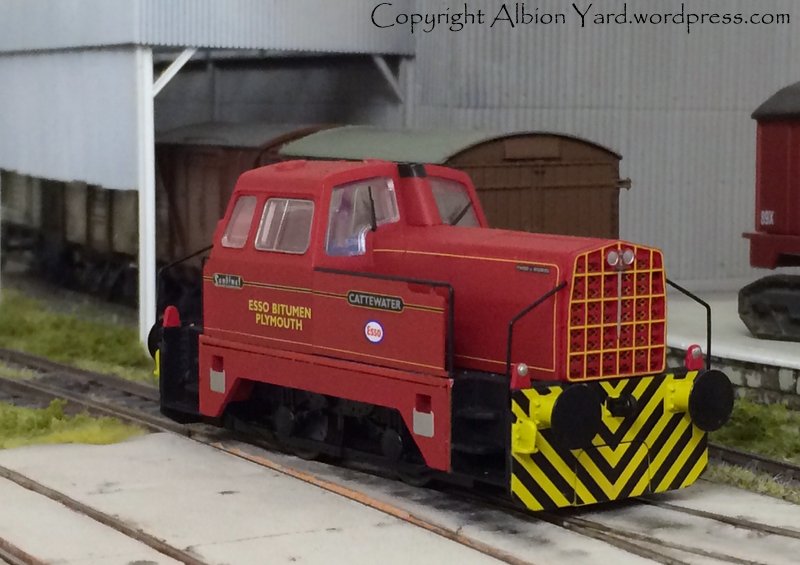
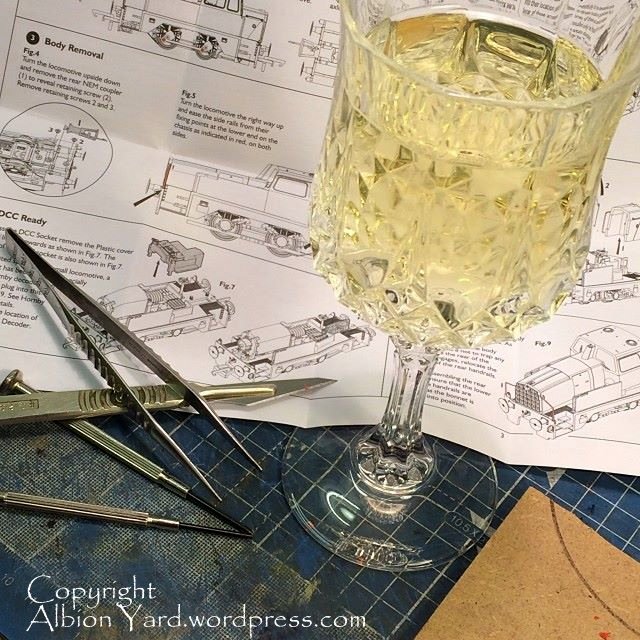
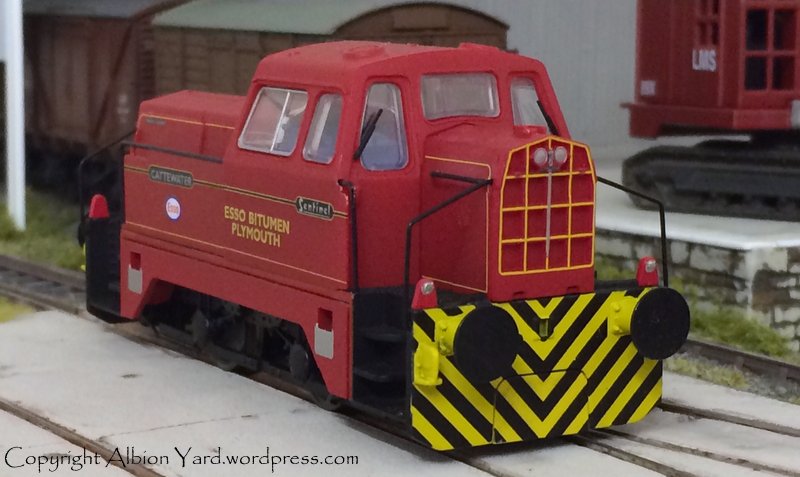
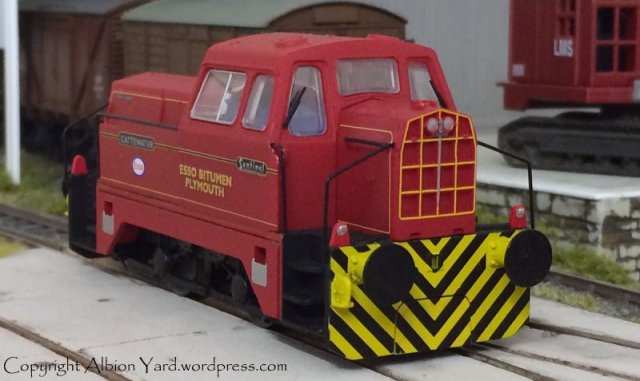
Well with Christmas day out of the way, it was time to give one of Santa’s presents a little run. I’d been fortunate enough to receive one of the new Sentinel shunters from Hornby and with a little time on my hands, I thought it was time to give it a closer look. Packaging is a contemporary red and yellow colorway, with a clear plastic model retaining section, or for those of us used to not talking bollox its in a red box with a vac formed plastic insert. So, its boxing day, I’ve got a glass of wine, a set of screwdrivers, and some instructions …

Instructions, alcohol and sharp tools, what could possibly go wrong?

Instructions, alcohol and sharp tools, what could possibly go wrong?

The appearance of the model overall is good and captures the feel of the prototype well. Body is satin finished plastic, how this satin finish lasts with greasy fingerprints remains to be seen, detail is very good and the glazing unfortunately has a chunky prismatic look to parts of it. If the pics aren’t up to the normal standard for this blog I apologise in advance, for this entry, images and text, is coming from the workshop, breaking news styley to see how effective it is from my iphone. The pics have been sent to ‘home’ for copyright and cropping before returning to add to the text written in the man cave.
SENT11

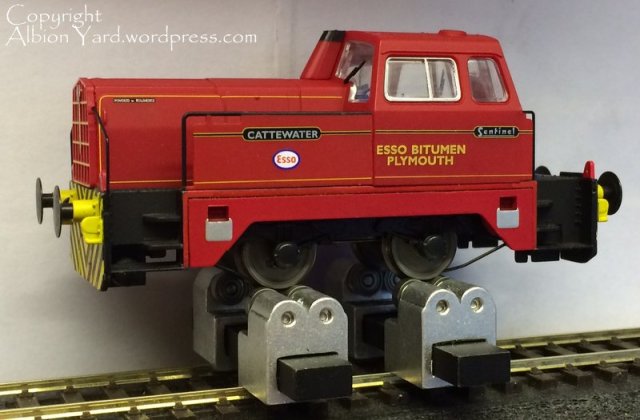
What does it run like, well mine wasn’t ideal, one direction it was fine, the other it pulsed slightly, and in both directions stopped occaisionally, enough times to be a concern, so that would need looking at. Cosmetics like the body finish are secondary here, theres no point in having the best looking shelf queen, if the model doesn’t work for me its not worth keeping. In the UK of course at this point you could return it to the retailer for refund or replacement, I rarely do this mostly because the quality is such that you don’t need to, and secondly theres very few items I can’t fix. Once you start deviating from normal maintenance all warranty bets can be off, so you need to be confident of what you’re about.
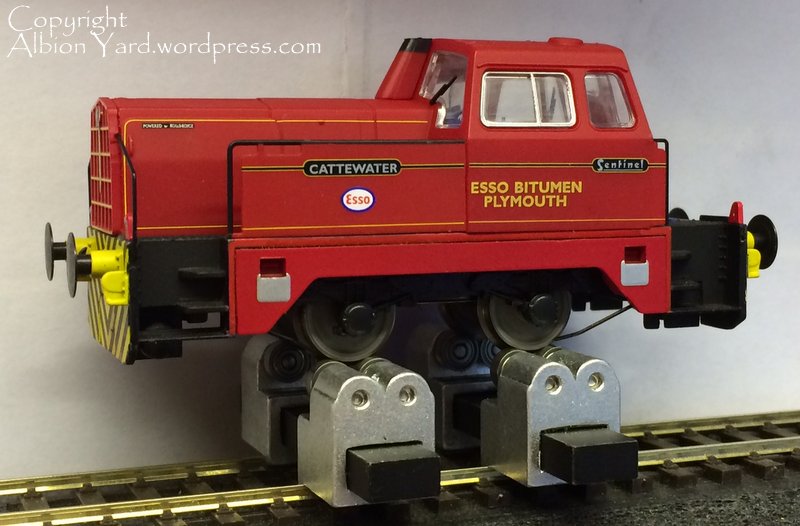
Running in with Bachrus rollers

Running in with Bachrus rollers

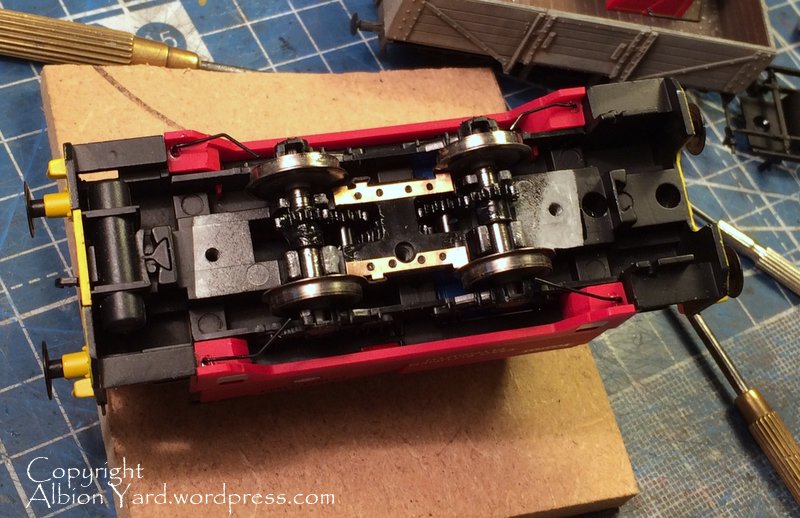
I first ran the loco on a set of rollers to get the chassis warmed up, before using it on Wharfedale Road, which is a small test/demo layout. The track is made to replicate a small run down yard and is not to mainline standard. The loco, fine on rollers or straight track occaisionally stopped and I suspected pick ups to be part of the problem. The easy way into these would be via the base plate, held on by three screws. These came out easily and sure enough the pick ups are phosphor bronze wipers onto the back of the wheel tyre.
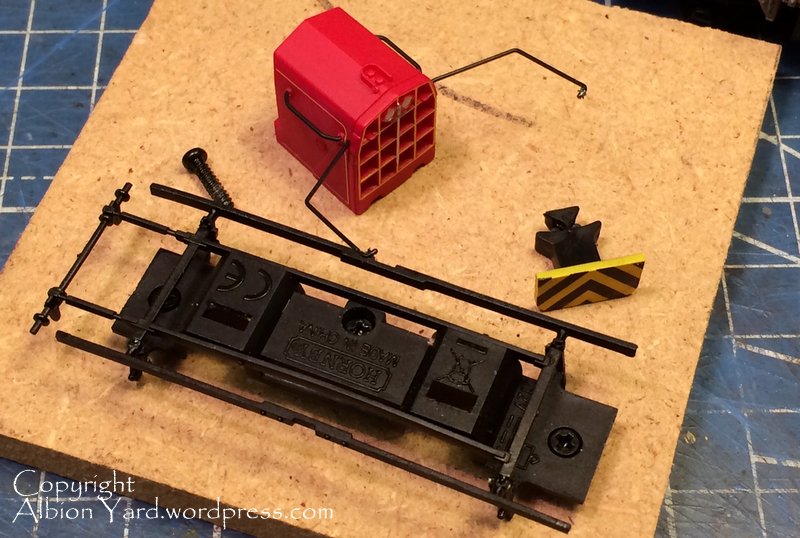
Keeper plate/rear bonnet and buffer beam filler.

Keeper plate/rear bonnet and buffer beam filler.

I tweeked mine to ensure that they always touched the back of the wheels, I suspect that the original fit didn’t have enough outward force to remain in contact. I can see these being an issue for some people who can’t/wont do their own maintenance, and if not set up at the factory, some of these aren’t going to run reliably. The next item was to clean the ends of the pickups and wheel treads with IPA (not the beer), and a look at the end of the axles showed that the ends had a slight burr on them, which being plastic, I cut off with a scalpel. This improved the running reliability considerably. It did also highlight some areas where I needed to attend to the track too, which was done and it now runs very well across the whole layout.
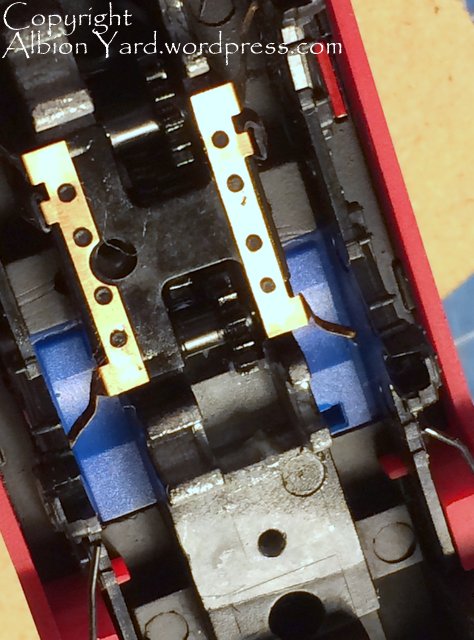
Tweeked pickups, note metal cast chassis block and sideframes

Tweeked pickups, note metal cast chassis block and sideframes

The instructions are pretty good and I followed them apart from the instructional bit. That’ll be the ‘Alpha Male’ bit I suppose. Having taken off the couplings the screws that hold the body on can be accessed, thats where my first problem came in. The body attatching screws were, it’s fair to say, secure.

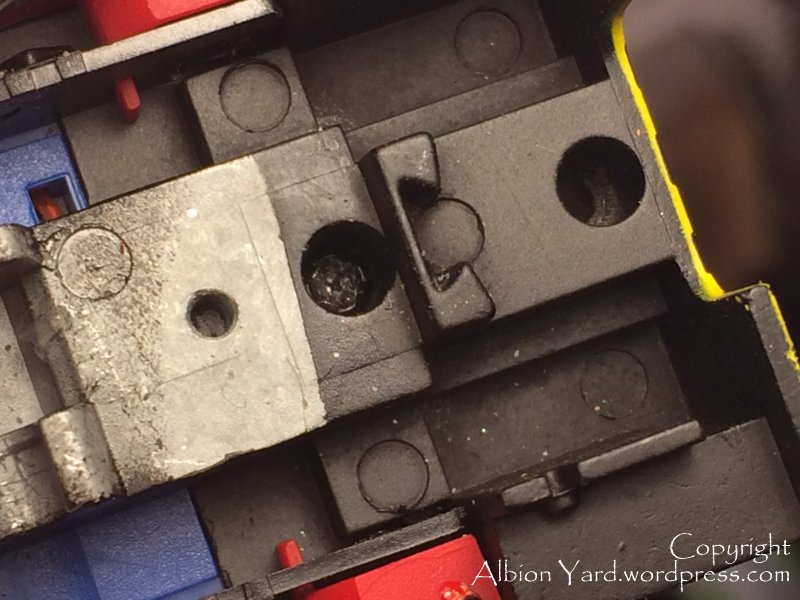
Body retaining screw mounting

Body retaining screw mounting

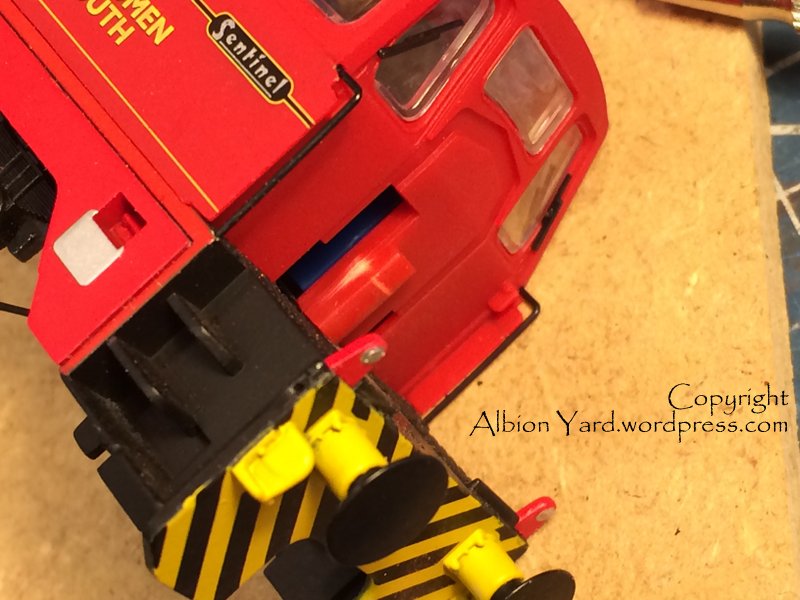
The small bonnet screw is the one to undo first, and this took a significant amount of force to break the seal. The body screw was immovable to the point where the head was getting damaged by the screwdriver and the palm of my hand was bruising from the screwdriver handle. I was using the correct size and shape blade for this too, I have little sympathy with those that damage screws using the wrong blade and then say, its the tools/product rather than the binary thought process involved in getting them there. What was noticeable was the screw mount on the body. Close examination showed that there were stress witness marks on the plastic which indicated that the screw had been applied far too tight at manufacture.
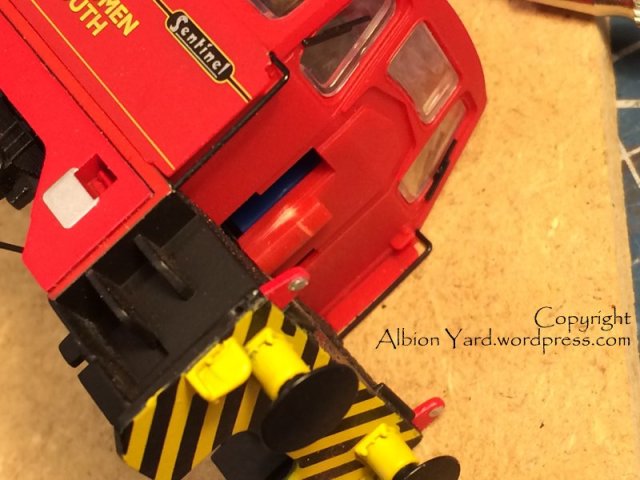
Note, plastic stress mark on back of cab body

Note, plastic stress mark on back of cab body

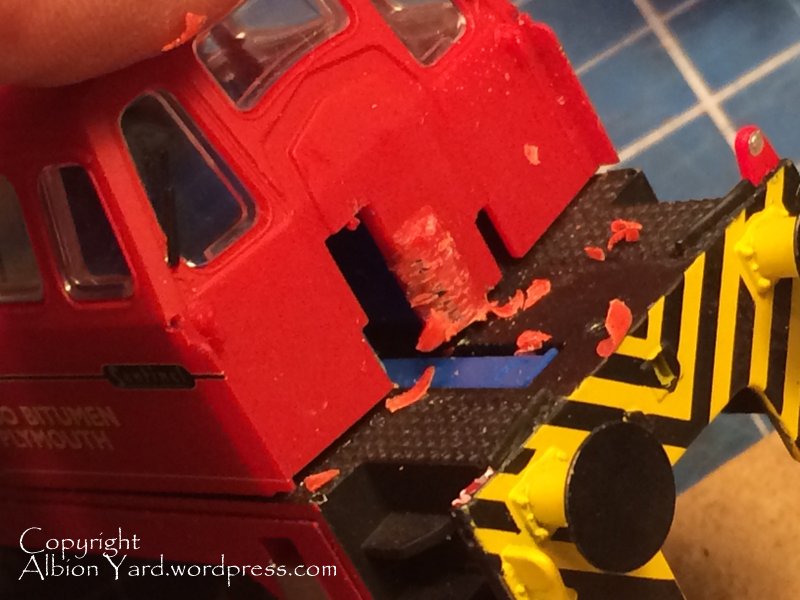
What this meant was there was no way to remove the body easily, the screw was also inside a recessed hole so cutting/drilling the head wasn’t an option, the body of the screw would still be in the chassis and the bodymoulding. Cutting the body would be the only solution, or re-assembling it and giving it back. I could cut the body in two ways, drill a hole and then cut the screw in a keyhole style, but this means not knowing what else you are damaging inside the main body. The easy option is to shave away slivers of the screw mounting to expose part of the screw thread. This will release the pressure on the screw and cause least damage to the body. I had to cut away a far bit of the housing, but this did prove successful and released the screw, which still needed some considerable effort to unscrew it.
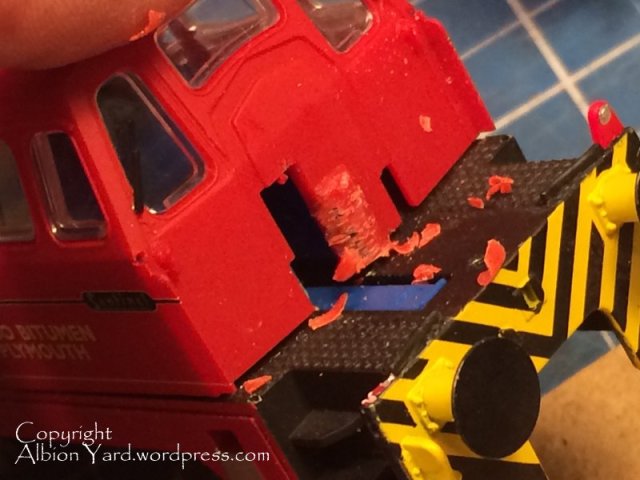
Slicing sections from around the screw to release it.

Slicing sections from around the screw to release it.

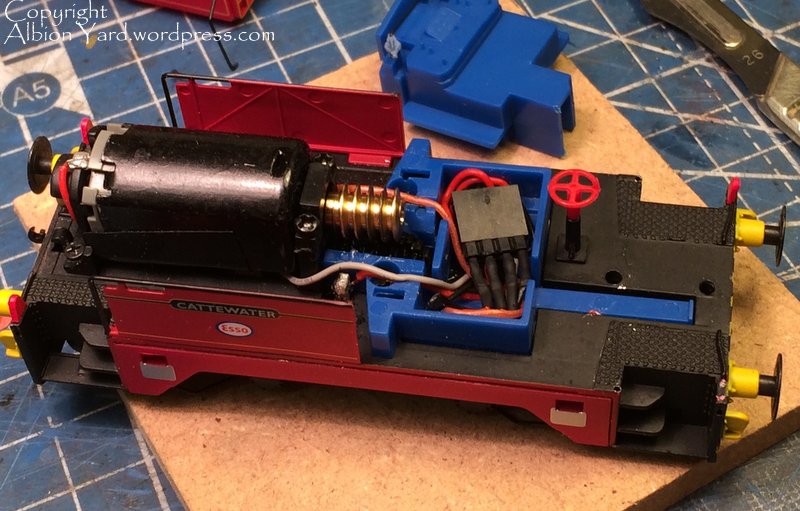
The first job I did then was to cut a few millimetres of the end of the screw so its shorter but still fixes the body as intended. I could now see the top of the chassis and inside the cab. I think the cosmetics can be improved with replacement glazing, so I’ll ask that nice Mr Shawplan if he’s up for it in the new year. The cab internals with a lick of paint will be fine. If you’re looking to fit DCC sound in one, I think it will be difficult, a sugar cube type may fit the rear bonnet or inside the cab with a very small chip, getting the sound ‘out’ will be the challenge.
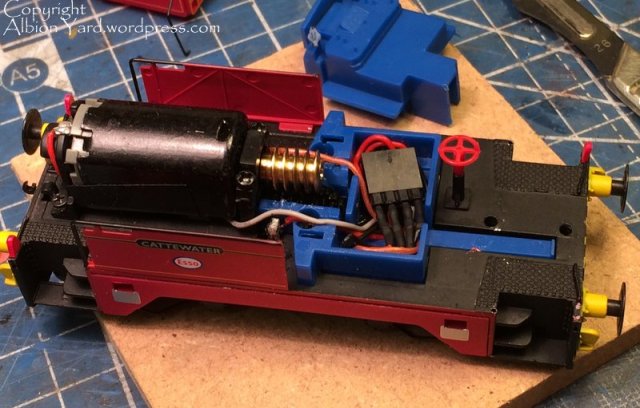
Chassis top overview

Chassis top overview

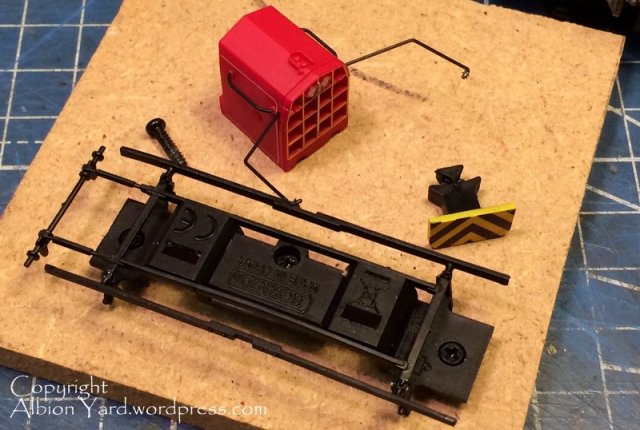
The core of the chassis is metal, for weight, so some quality drilling and fettling will be the order of the day. The long bonnet logically houses the motor, so a speaker won’t go in there.
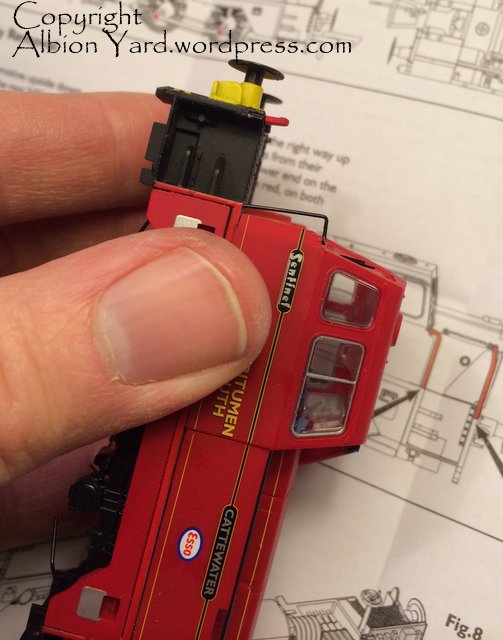
Remove the top of the handrails rather than the bottom to release the body ..  :o)

Remove the top of the handrails rather than the bottom to release the body .. :o)

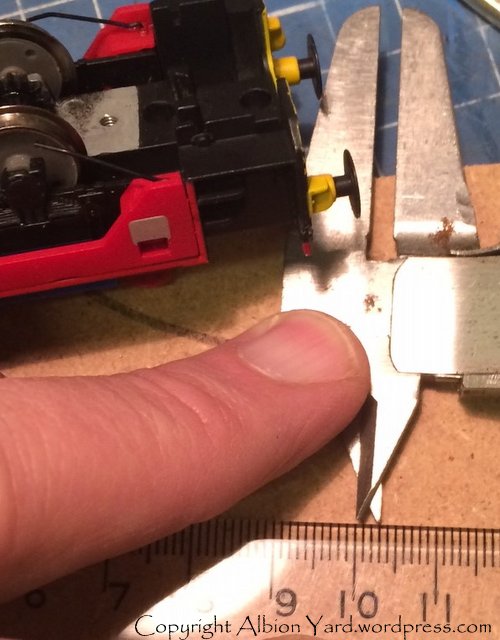
The drive train is a set of plastic gears to both axles. My thoughts on P4/Em conversion are this may not be straightforward. There is little space behind the mainframes/axleboxes this very much being engineered in ‘OO’ and part of the cast chassis block. Axles run in U shaped bearings kept in place by the chassis base plate. The axles are 3mm diameter from a rough measurement with calipers and ruler.
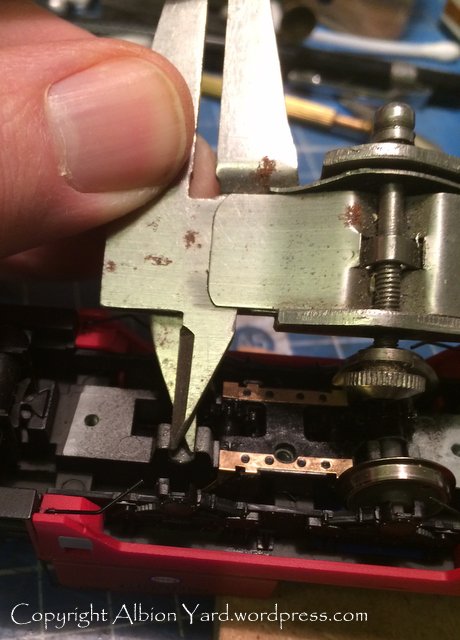
Rough 'fag packet' engineering measurement technique

Rough ‘fag packet’ engineering measurement technique

Please excuse the very rough and ready back street engineering approach to measurement.

'Fag packet' measurement analysis technique

‘Fag packet’ measurement analysis technique

Finer gauges will have no problem with the drive train however, but anticipate significant thinning of the sideframes, or possibly a replacement etch, but that will need a clever fix to the chassis and significant cutting away of the old one.
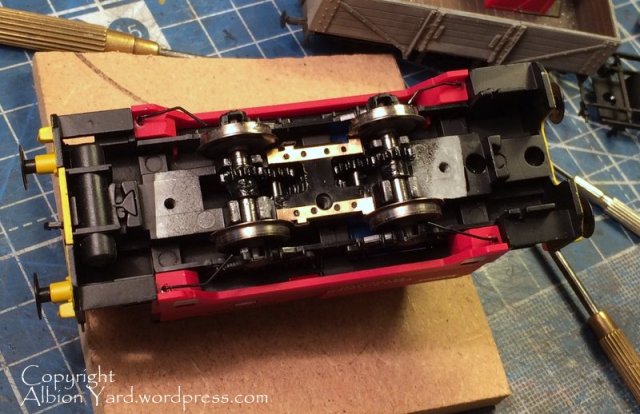
SENT10

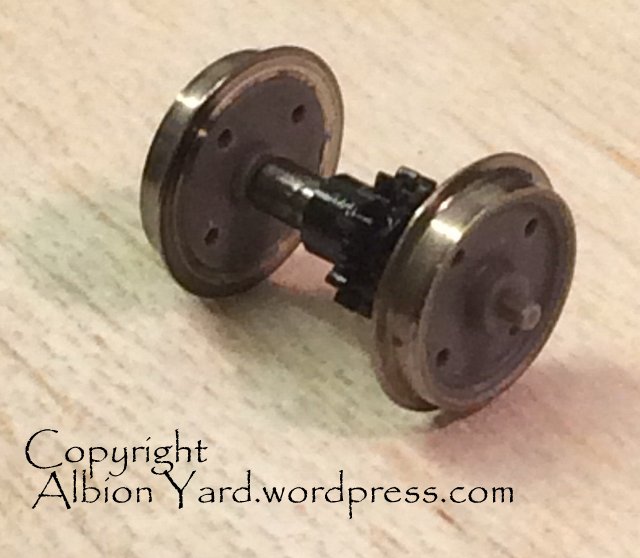
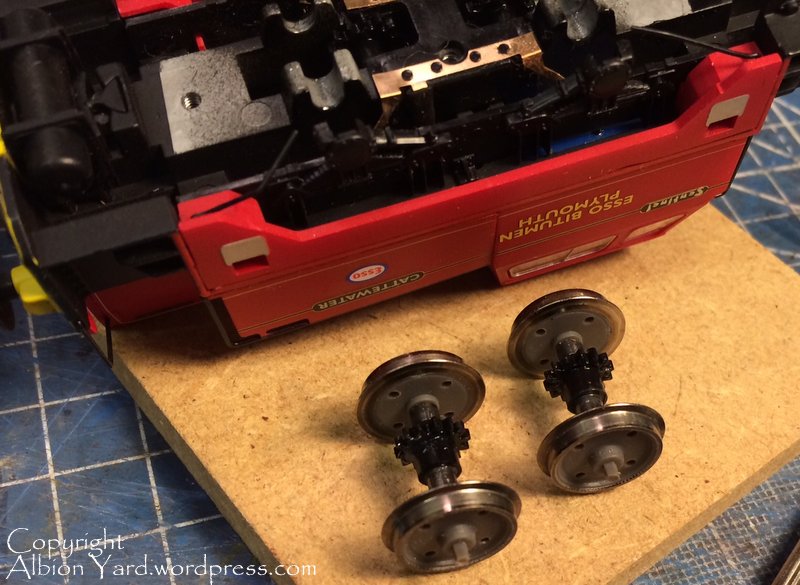
The wheel sets have a metal centre axle with plastic gear set. The wheels are plastic stub ends with metal tyres, which means the chassis block is isolated by the plastic stubs, so again it’s not going to be an easy swap for wider scales, possibly a new centre section will be the easy route with turned tyres for P4, subject to the method of fixing the stubs to the main axle. This centre section could possibly be a plastic/nylon material to prevent shorting of the chassis block, depending on how the actual replacement wheel is fixed.

Sentinel wheelset.

Sentinel wheelset.

For us not using tension locks the loco comes with buffer beam inserts that fix via the NEM mounting giving the look of a full buffer beam with a panel line. I’m more than happy with this, its better engineered than Bachmann 03/04 blanking plate too, and they’ve even gone as far as engineering removable tanks and brake gear to accomodate this. ‘Design Clever’?, Yup! Is this ‘design clever’ carried out through the model? Yes it is. It deserves to do well, overall it’s well engineered, has the potential to run brilliantly, and launch a thousand box layout, inglenook micro’s all in one fell swoop. The MPD fest is over, the next new thing is micro industrials!, and about time too, I’m going to get a blue one next, for £55 RRP this is real value for money!

The sharper observers will note on the instructions a picture of a model with outside rods and cranks. Don’t be surprised to read strident comments about it being ‘the wrong train in the picture’ I rather doubt that’s a mistake, but the reference to the Shropshire and Monmouthshire Railway, however, very definitely, is. Try, ‘Montgomeryshire’ :0).
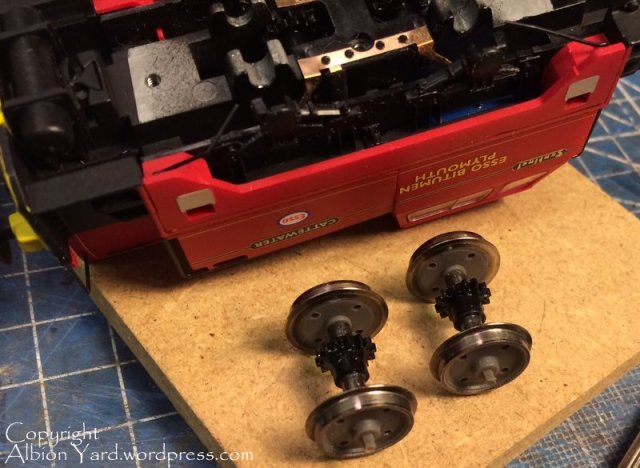
Note square end section splined axle stubs. Wonder why? ...

Note square end section splined axle stubs. Wonder why? …

You recall I mentioned the burrs on the axle ends?, close examination shows those to be splined axle ends which would allow easy fixing and retention of coupling rods, and a very easy Hornby release for 2015 of an outside crank version. ‘Design Clever’?, that’ll be a yes then.

So remember when the 2015 froth fest starts on your fave interweb foam generator, pile in there with outside cranked Sentinel, no one else will guess it …

Posted in apple, Bachmann, Branch Line, British Rail, canon, DCC, dcc sound, Exhibition, hobbies, Hornby, humour, Industrial, iphone, Kalmbach, Layout, media, Model Railroad, Model Railway, Model Railway Journal, Modelling, Nevard, OO Gauge, Photography, review, Uncategorized, Western Region | Tagged , , , , , , , , , , , , , , , , , , , , | 13 Comments

Christmas

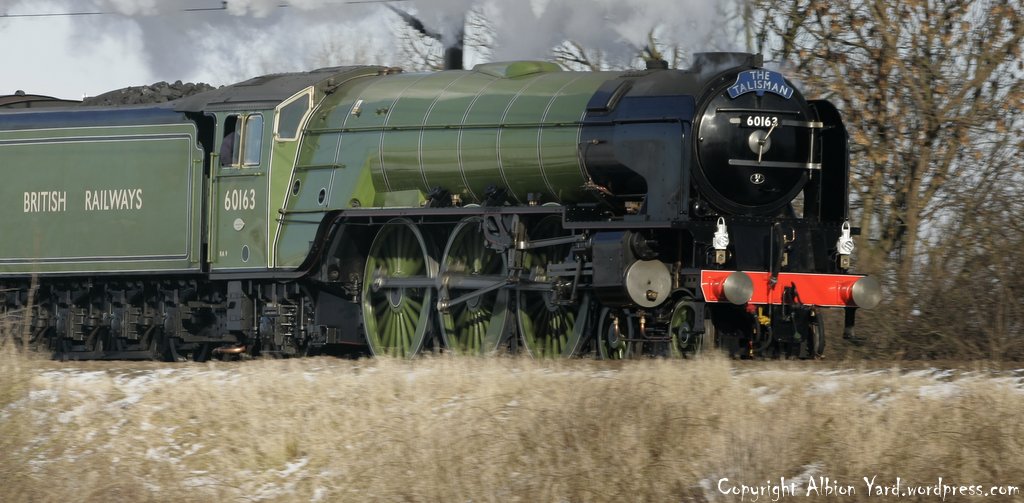
Tornado in the Snow   Happy Christmas!

Tornado in the Snow
Happy Christmas!

For all the readers and followers of the blog, have a good Christmas and wishing you the compliments of the season.

Paul M-P

Posted in Bachmann, Branch Line, brassmasters, British Rail, canada, canon, Chris Nevard, christmas, Exhibition, hobbies, Hornby, humour, Layout, library, life, media, Model Railroad, Model Railway, Model Railway Journal, Modelling, OO Gauge, paint, Photography, Rapido Trains, travel, Uncategorized, usa, Wales, Welsh Marches | Tagged , , , , , , , , , , , , , , , , , , , , | Leave a comment

Skyward, Head in the Clouds

Many of my regular readers will know that I work in the aviation industry and have done so for many years. As part of that vocation I’ve been fortunate enough to ride ‘up front’ with the engine drivers on many occasions. 9/11 of course changed the way aviation works and that opportunity for the man in the street to visit cockpits and get a flavour for the work, has pretty much vanished. I realise I’m incredibly fortunate in that I still get the opportunity to see life at the sharp end from time to time, and its really difficult to explain what its like to see out of the big windows instead of the port holes in ‘steerage’.

This short video above is one of those rare opportunities to see what its like up front, with superb imagery and editing, this is two and a half minutes of your life that’s worth wasting!

1080 HD on, Sound on, lights off, … Go!

Posted in audiomachine, aviation, Exhibition, go pro, hobbies, life, media, music, Photography, Skyward, television, travel, Uncategorized | Tagged , , , , , , , , , , , , , , , | 9 Comments

It’s all over now …

image

Warley, the final frontier, Captain Slogg etc etc.

Well the layout very nearly was matchwood let alone a log on last Thursday afternoon. On test set up, I always do one prior to an exhibition, the layout had developed an intermittent short circuit that was defying all attempts to trace it. After an hour of wire chasing the only item left unchecked was the thirty year old H&M walkabout, but it seemed to be ok, until I had a Eureka moment with as I changed direction of the locomotive, there was a surge of power to full on as the rocker switch finally failed. One direction a full short, the other full ‘on’ and centre off, working just fine! This left me on the afternoon before the show without a good controller. The DCC was checked and that worked ok, but meant two locos for the whole exhibition if the DC controller couldn’t be replaced or repaired. A quick call to a local team of layout builders www.thegoodsyard resulted in Richard digging out from their building stock a Gaugemaster Model W walkabout controller. This was quickly wired up and tested, which gave me reasonable running, certainly enough to get us going on the Saturday. The day went well and the layout ran well, but it was frustrating for all four of us that the locomotives weren’t working as well as they usually do. Some loco’s the 45XX for example seemed to thrive on the new controller, so we chose to run the engines that responded better.

Late Saturday afternoon one of the Gaugemaster team was looking at the layout and I mentioned that the running wasn’t as good as I thought it could be, and he suggested that we try an ‘HH’ feedback controller, which they had in stock. Sunday morning we set up the DCC sound panniers and kicked off with those, whilst I got a feedback controller and Pete wired it up. That too had its challenges in the DIN plug pins were a different diameter so it had to be swapped and re-wired! Once done we changed back to DC and tried the new controller, and it was just like having the H&M back! We stayed with that the rest of the show, and that made a huge difference to the enjoyment for us as operators, restoring the movement qualities to those we were used to.

image

We had a good number of visitors who came and said hello, from readers of the blog/forums/and some of my scribbling in the mags, and it was a pleasure to see all of you. Whilst the layout is ‘retired’ it will have a bit of research and development thrown at it before its recycled. The pictures above are of the last train out of the yard at Warley on the Sunday, watched by only two people, it was probably not too far removed from the truth had the line existed!

Finally thanks to the exhibition managers who had the faith in inviting the layout to their exhibitions, and very importantly thanks to the team that helped me through the shows, Al/Ian/Pete/Phil/Simon/John who all made taking a layout out with my name above the door, such a rewarding experience.

http://www.thegoodsyard.co.uk/

http://www.gaugemaster.com/handheld.html

_B6O4719.CR2

Posted in Bachmann, Branch Line, British Rail, DCC, dcc sound, Eastern Region, Exhibition, Forest of Dean, Great Western, hobbies, Hornby, humour, Ian Futers, Kalmbach, Layout, life, LMS, LNER, Midland Region, Model Railroad, Model Railway, Modelling, Nevard, OO Gauge, Scottish Region, Southern Region, Uncategorized, Welsh Marches, Western Region | Tagged , , , , , , , , , , , , , , | 1 Comment

Octagenarian Model Railroader

This dropped on the mat this morning. 80 years young, why young? One thing that I’ve always liked about MRR is that it rarely feels stale and seems to evolve, whilst still covering news, reviews and overall good quality modelling.

The project layout is interesting with a nod to Iain Rice’s contributions to layout design and the hobby. For a UK modeller to be recognised as having a significant influence on US model railroading, particularly planning and operation is I think remarkable. What is also remarkable is the way publishing is changing. The first copies I got of MRR came to the UK in hessian US postal service sacks. Thirty years on, I’ve taken the picture, I’m listening to music and I’m writing about it all using a telephone! This being my first mobile posting whilst waiting to collect my daughters. I really like the potential that offers.
If you’re reading this from the states or are a national, and the stats show a good number of you do, have a very good Thanksgiving, and thank you for reading the blog.

Posted in Bachmann, hobbies, Hornby, Kalmbach, Layout, life, media, Model Railroad, Model Railway, Model Railway Journal, Modelling, Narrow Gauge, Uncategorized | Tagged , , , , , , , , , , , | 1 Comment

Warley & The Digital Backscene

b6o4472-cr2This weekend is the final show for the layout, and we are stand B50 at the NEC Warley show. One of the main features of the layout is the backscene, which is a digital print. It is one of the items as well as trees and fiddle yard that I get asked most about. So, this is a quick story of the backscene.

Some of the biggest challenges that layout builders have, particularly those that exhibit layouts, are to do with the transport and presentation of the layout at shows. One of the key choices to make is about the back scene, whether to have one, and if so how to go about the production and presentation of it. Not everyone feels the same way of course, I was recently sent this quote about Albion Yard, I’d not seen it before, from one of the hobbies foremost bullshitters, sorry ‘experts’.

Hiding is easy on a plank size layout with a limited service but a big roundy roundy with lots of trains moving presents a lot more issues, as Tims photo (above) shows, it takes enough work to make the layout without having to spend as much time hiding the fiddle yard

I’ve always felt that a back scene was a critical element of a layouts presentation, so rather than just following our Guru’s mantra of nailing pieces of hardboard covered in white paint, heavy emulsion brush marks, and backscene joins provided by ‘The Bachmann Trencher’, (you wondered where he’d gone? Alive and well working in the North West apparently)’ I did something different. Rather than staying in the 1970’s, as the group above clearly feels is the way forward, I spent a good deal of time looking at how the layout would appear. I wanted it to look plausible and have depth, rather than something from the flat earth society. It takes no more effort to make a layout look good than bad, it can take time of course, and size doesn’t have much to do with it either, if you use the right commercial printer you’ll run out of a single ream of material before you run out of layout. One critical element our guru missed, and which shows he has no knowledge or experience of making decent scenery and backscenes, is the fact that with smaller layouts making the scenery and backscene integrate effectively is far harder on a small layout than it is on a big one. He won’t know this as he’s never done it, but its because you have less room and the backscene is closer to the viewer!

Previously my layout was in a room with a neutral off white wall colour a natural back drop, now the layout was free standing I felt it needed a plausible back scene.

Track layout looking from fiddle yard.

Track layout looking from fiddle yard.

The layout is three separate boards, no different from many other layouts. I’d always been impressed with layouts such as Barry Normans ‘Petherick’, Iain Rices ‘Woolverstone’ and Peter Kirmonds ‘Blea Moor’.All of these had backdrops, Petherick was unusual as it had the whole display thought through including fascias and lighting, for its time, I believe it was unique in this aspect. Woolverstone and Blea Moor had material back scenes so I was heavily influenced in presentation by these three layouts.

 Blea Moor By Pete Kirmond

Blea Moor
By Pete Kirmond

The other layout I’d been fortunate to watch develop was Chris Nevards ‘Catcott Burtle’ http://nevardmedia  where he had used a digitally printed back scene attached to a rigid one piece backing. I had messed around with some commercial photo back scenes but wasn’t very pleased with them. The join was very difficult to hide as was getting them fixed without any ripples. The colours on the images were also too dense and not balanced to the foreground model.
From all these influences I came to a simple conclusion. What I needed was a creaseless, seamless and detachable back scene, about 16 feet long and matt finish. That was the easy bit, the next part was where to get it from, and what material to use. I’d determined the layout would be set in the Forest of Dean, so any image on the background would need to reflect that in some way. So my two criteria were now a seamless backdrop, depicting the Forest of Dean. The digital printing option seemed to hold the most promise, but whilst that was the final outcome it wasn’t an easy journey.

Basic hanging framework on the layout chassis

Basic hanging framework on the layout chassis

Most high street commercial printers have a variety of materials they can offer, but it took a while to find what I wanted. I worked out that to get a durable print with a degree of strength and thickness a commercial material should be where to start my search. The first break though I had was looking at curtain side truck canvasses. These had the strength and rigidity I wanted but as the cotton used as a strengthening weave showed though, there was an unwanted texture that would be visible. I’d almost exhausted the local printers in that none of them had the right material for the print, for the most part they were too glossy and thin. By chance I was visiting a friend and on the way passed a print shop at the roadside. As I had a few minutes spare I popped in to see what they had. It very quickly turned out I’d found the right place. John, the printer, was asking all the right questions, and didn’t seem surprised when I told him the application for the print. This was because in the past they had worked on theatre backdrops, so I knew we both had the same understanding of what I wanted to achieve. We quickly found in stock the material that had been so hard to locate, it’s a product used for exhibition displays and can roll up like a slide projector screen. It was matt white in finish and had a medium grey opaque backing. John showed me that it could have eyelets attached to it so I could hang it from a structure on the layout, which met the detachable criteria. So that was sorted, next job, the image!

14ft of digital print prior to installation

14ft of digital print prior to installation

I’d been speaking at length with photographer and modeller, Chris Nevard, we both have similar ideas about layout presentation, and he kindly offered one of his images for me to try taken near Priddy in Somerset. It was a large panoramic image of a tree lined field which we worked out would stretch half the layouts length. It was taken on an overcast day so we mirrored the image and there’s very little in the way of visual clues in the shadows to see that’s been done. The greater majority of photo back scenes have too much contrast and this shows by making the back scene overpower the foreground, this then creates a visual imbalance and is as noticeable as a vertical join line.
Chris has done a little photoshop work on the image, adding a different sky and some blue tint over the whole image, this isn’t really noticeable just looking at the image but adds distance and depth by reducing contrast. You don’t need the range of digital skills that Chris has, many good printers will be able to help here, John, my printer was able to do some last minute digital adjustments before we went to print.
I’d now got my back scene image ready, and we printed the first test piece. I’d taken a small diorama I use for photography and a black locomotive to try in front of the test piece. The first result was a little disappointing, the colour being too dense, so we tried a couple of different test prints until I was happy that the colour density of the backscene matched the test diorama, when it did we were able to print the entire image.

Cutting scenery to ensure no square corners in the sky!

Cutting scenery to ensure no square corners in the sky!

The stantions sandwich the print between baseboard and support

The stantions sandwich the print between baseboard and support

Whilst the printing was carried out I still had to work out how to mount the final image. As John was inserting eyelets for me he needed to know where to put them. The image would wrap around three sides of the layout, so I divided it up into 60 cm spacing making sure none of the eyelet alignment occurred at baseboard joints or at structural beams. It took a while thinking of all sorts of contraptions but the simplest idea once I got it was the easiest to install and make functional. I made detachable stations out of 2cm square stripwood leaving the layout looking like an empty bogie bolster without the back scene. Keeping them vertical was simple, they butt up against an alignment block fixed to the layouts side.

IMG_8880IMG_8882The top mounting for the image was a simple coach bolt, penny washer and wing nut. When the image came back from the printer the first trial was really interesting. The eyelets worked as I intended. The image can be unrolled and loosely fixed one station at a time. Even when it’s loosely hung it makes an astounding difference to the overall appearance. I started at the middle of the layout tightening each coach bolt as I went. The coach bolt is a smaller diameter than the eyelet, so on each station there is vertical and horizontal adjustment available along the entire layouts length. This allows the back scene to tighten and removes any waves or ripples that are there before tensioning. At the corners the material naturally curves around whatever former you choose, immediately removing the square corners so often seen on layouts be they home or exhibition based.

Installing the backscene

Installing the backscene

The layout back scene is an elongated U shape and final fitting can be made trimming the edges of the image to suit your requirements, the only trimming I did was at one corner to allow the images to sit level on the baseboard. I then designed my fascia to join the ends of the layout and image, making a letter box view presentation.

From the inside, note little shadow on backscene

From the inside, note little shadow on backscene

Overview of installation and fascia's fitted

Overview of installation and fascia’s fitted

As the layout is operated from the front the fiddle yard is view blocked with a simple curtain which can be accessed when trains are required to be changed. The lighting units are fixed on the rear of the fascia and are simple 20w kitchen under lighter units, these are powerful enough to light the whole layout and the back scene bounces light back onto the model giving an even light across the whole scene. Once I’ve built the layout structure, I then place buildings and scenic accessories as required, I can change some of these around too subtly altering the appearance if I wish to.

One thing I’ve not mentioned so far is the cost of the project. Including materials, printing and manufacturing the whole back scene project cost approximately £175, which may seem a lot. However its less than the cost of many DCC sound locomotives, but gives a superb one piece seamless back scene, customised to your specific layout. Is all this too much hard work? I don’t think so for the ultimate effect it has on the overall appearance of the layout. If you come to the show make you look at the layout from the left hand end, this is the point where the backscene, view blocking and hidden fiddle yard comes into its own, and you get the ‘long view’. Judging by the positive responses I have both on line, but more so when people see it at shows, it really does make an impact. The ladies seem particularly taken by it, so if the traditional route of flowers or chockies isn’t working for you, show them your back scene!

Don’t forget of course that this is a hobby, it has far more nice people in it than unpleasant sciolists. I hope at the weekend to see plenty of the nice ones, rather than those who are as thick as two short shunting planks.

_B6O4719.CR2

Posted in Bachmann, Branch Line, British Rail, canon, Chris Nevard, copyright, Eastern Region, Exhibition, Forest of Dean, Great Western, hobbies, Hornby, Ian Futers, Kalmbach, Layout, LMS, LNER, Manchester, Midland Region, Model Railroad, Model Railway, Model Railway Journal, Modelling, Nevard, OO Gauge, Photography, Railex, Scottish Region, Southern Region, Uncategorized, Welsh Marches, Western Region | Tagged , , , , , , , , , , , , , , | 8 Comments

The Canadians are coming!

IMG_2040

Just a quick update, yesterday, after an interesting drive across the top the pennines,  through snow and snow showers, I and some other enthusiasts were treated to a presentation of the Canadian Company Rapido, Jason Shron was a very engaging and open presenter discussing the company, its Canadian prototype products and its hopes for the UK market and future. On one forum it took three pages before someone realised that the presentation wouldn’t involve releasing what’s coming to the UK market, so at least one enthusiast is on the ball. The UK market had better get its head round the Rapido production ethos. They make a number of product X, and that’s it. There’s no point saying I’ll wait to see what they are like and then buy one, if they make what you want, order it, like Nike says, ‘Just do it’. If you don’t order one you won’t get one. I’ve found that out to my cost with a Canadian product they do, its taken a while to find one, and its at, (sit down now and take a deep breath) full retail! Oh, and they have no intentions of being the cheapest in the market either, and for the quality they provide that’s exactly the right mindset for them and their customers. The Canadian market took a couple of releases to get this supply/demand chain into their mindset, I’m already on board, and if you want what they are going to make, place your orders as soon as possible.

IMG_2034-001

I’ll return to this in a future blog post, one thing is for sure though and that’s they are already here, anyone with a sharp eye can already see the mark of the ‘True North‘ in a UK Product. One of the clues is out there …

http://rapidotrains.com/

_B6O4719.CR2

Posted in canada, canon, DCC, dcc sound, Eastern Region, Exhibition, Great Western, hobbies, Hornby, Kalmbach, Layout, life, LMS, LNER, media, Midland Region, Model Railroad, Model Railway, Model Railway Journal, Modelling, Nevard, OO Gauge, Rapido Trains, research, review, Scottish Region, Southern Region, Uncategorized, Western Region | Tagged , , , , , , , , , , , , , , , | Leave a comment