Railex Preparations Vol II

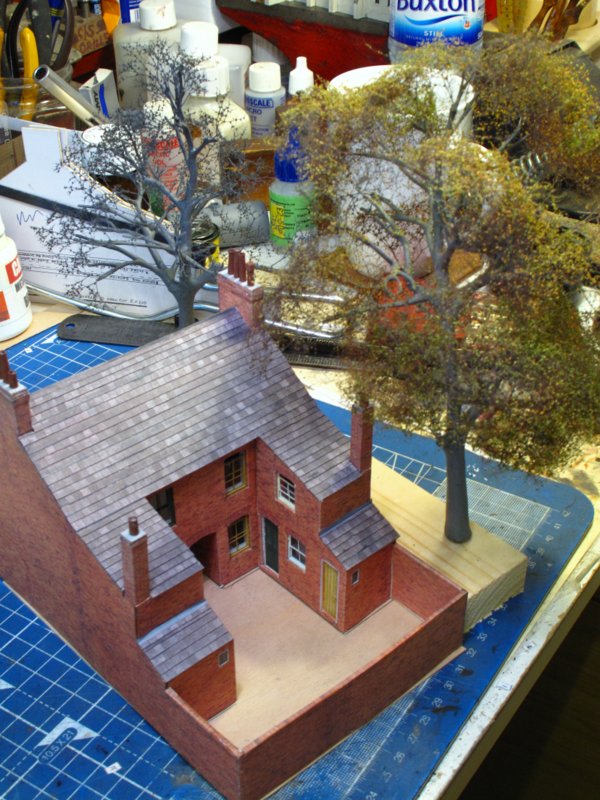
These are the latest scenic items coming off the bench in preparation for Railex. They are a straightforward build of a Howard Scenics ‘house back’ kit, and two trees, one complete with foliage and the other the bare structure awaiting finishing. The trees are an adaption of a technique used by Simon Thompson on his Scaleseven ‘Y-Cae’ and ‘Aberbeeg’ layouts both of which I’ve had the pleasure of operating.

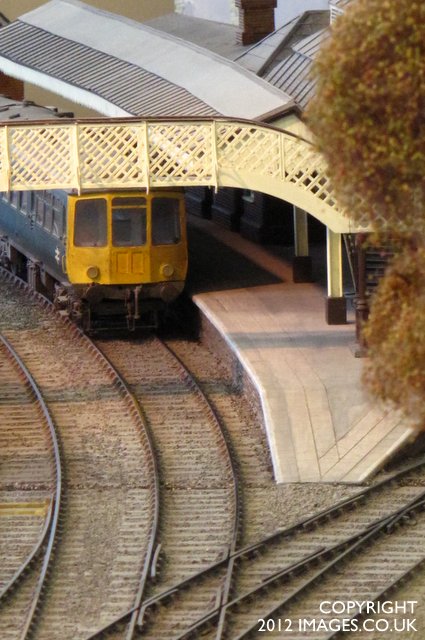
‘Aberbeeg’ S7 by Simon Thompson

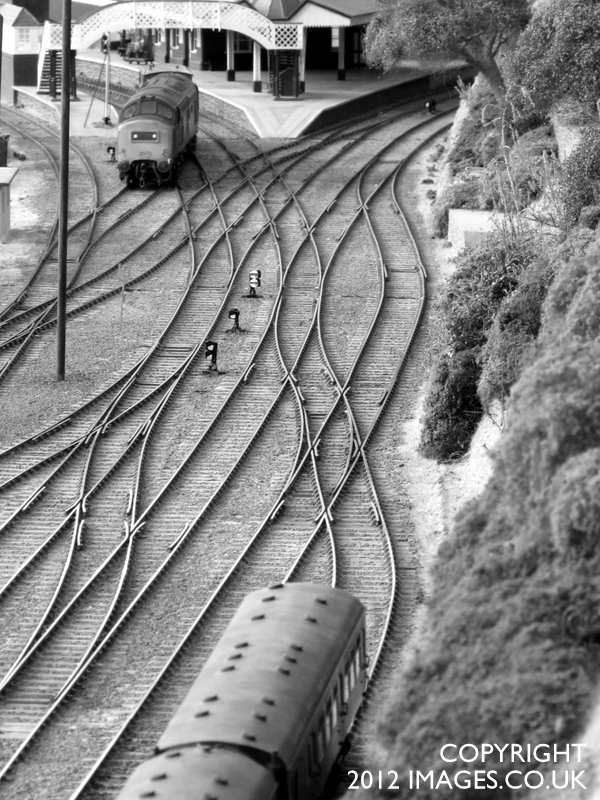
I primarily model in 4mm scale, but will always look at other scales and modelling genres for inspiration and ideas that I can use or adapt in my own work, I find it mildly frustrating when I hear a modeller say oh its X or Y, so it’s not of interest. I can understand the prototype not being of interest in era, or protoype for example, but to dismiss modelling like that means the individual my be missing out on seeing or learning a new technique that will work for them, or allow them to adapt it. 7mm isn’t a big interest of mine but missing Simon’s trees would have made making mine much harder, and probably they’d not be as good as they’ve come out either.

‘Aberbeeg’ S7 by Simon Thompson

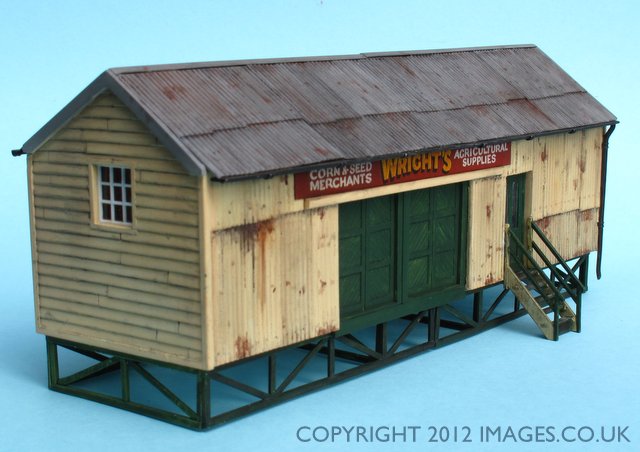
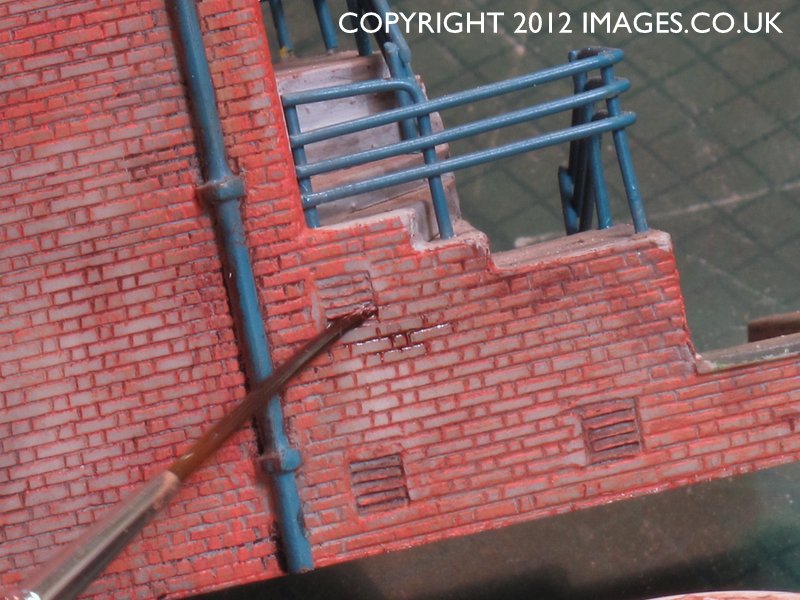
Another building completed recently is the agricultural merchant for Albion Yard, this will appear in an article for Railway Modeller in due course. The building is unusual for me in that the side you see here faces away from the viewer, so it’s never seen on the layout. Normally I leave the unseen face blank, the house above has no front for example, but this building just seemed to suit being made ‘in the round’, so, that’s what I did.

Abion Yard’s Agricultural Merchant

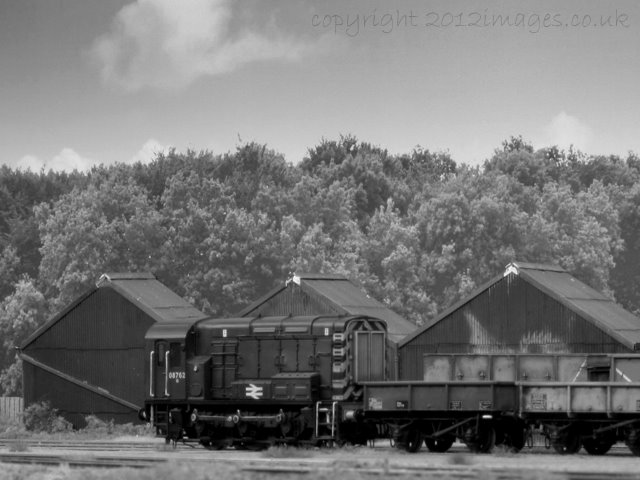
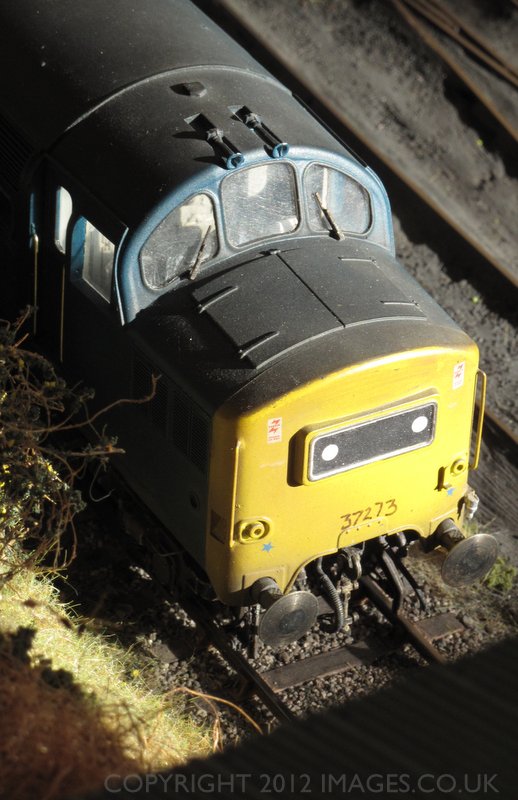
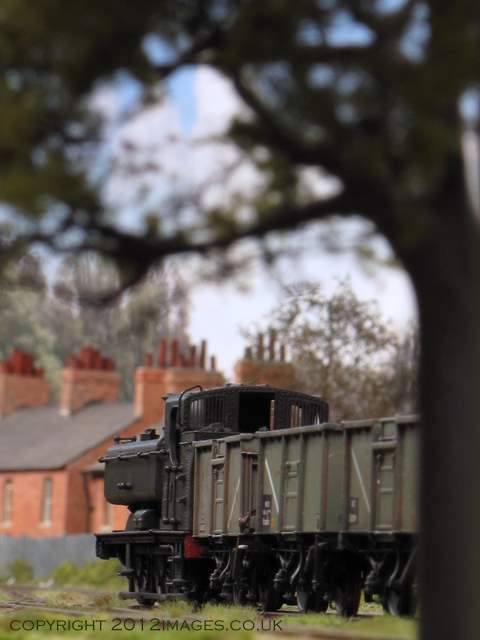
And to finish a gratuitous shot of a class 37 on Simons ‘Y-Cae’ layout, this is exactly the sort of view that makes me think, I want to make something. Next time you’re at a show, go and have a look at something that doesn’t interest you, you might just be pleasantly surprised.

‘Y-Cae’, S7 by Simon Thompson

http://www.railex.org.uk/

Posted in Airfix, Bachmann, Branch Line, British Rail, Canon G10, Chris Nevard, DCC, dcc sound, Eastern Region, Exhibition, Forest of Dean, Great Western, hobbies, Layout, life, LMS, LNER, Midland Region, Model Railroad, Model Railway Journal, Modelling, Narrow Gauge, OO Gauge, research, Scottish Region, Southern Region, Uncategorized, Wales, Western Region | Tagged , , , , , , , , , , | Leave a comment

Railex Preparations Vol I

Albion Yard

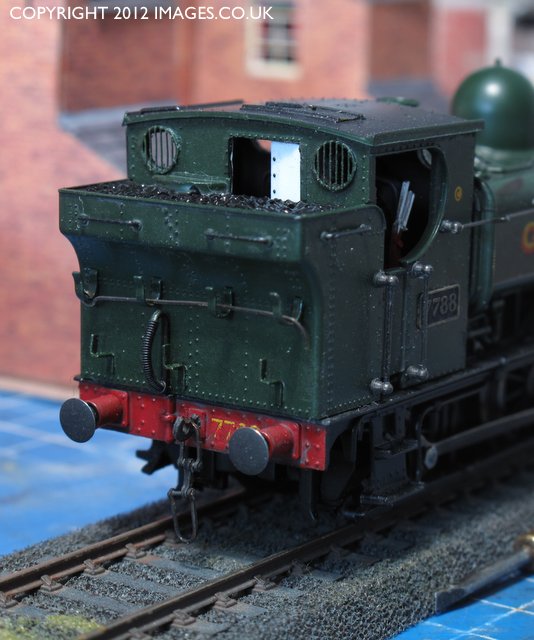
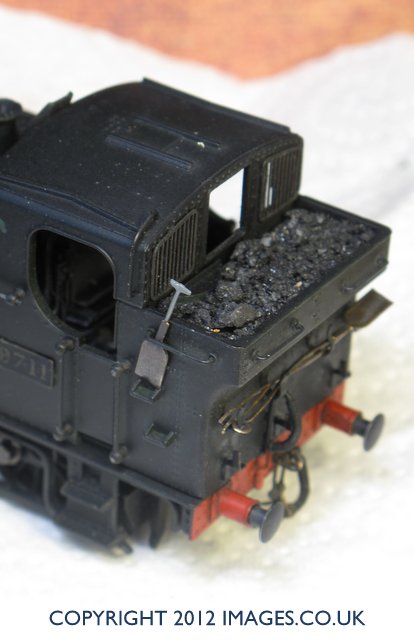
Over the next couple of weeks or so I’ll be burning some midnight oil as Railex at Aylesbury approaches. The layout will be assembelled as its been stored for five months or so and tested. In the intervening period I’ve worked out a new way to do trees, and am seriously considering a revamp of the layouts trees which should make a very big difference to the layouts appearance. One problem with them is the storage and transporting once complete, I’m really glad that the layout isn’t ‘on the circuit’, I’d spend all my time repairing trees. As ever I’ve been looking at the buildings, and there may be a few changes in time for Railex, the layout never standing still in terms of its scenic development. I’m pretty happy with most of the stock and locomotives, and anticipate a further low cab 77XX being added to the roster in time for the show, in an unusual, but prototypical livery. The layout will be DC controlled for Railex, so no sound panniers I’m afraid this timeout.

http://www.railex.org.uk/

Posted in 3f, Airfix, Branch Line, brassmasters, British Rail, Canon G10, Chris Nevard, DCC, dcc sound, Eastern Region, Exhibition, Forest of Dean, Great Western, hobbies, Hornby, Layout, LMS, LNER, Midland Region, Model Railroad, Model Railway, Model Railway Journal, Modelling, Nevard, New Radnor, OO Gauge, research, Scottish Region, Southern Region, Wales, Welsh Marches, Western Region | Tagged , , , , , , , , , , | Leave a comment

Make Your Mark

Hampton Hill Makeover Bachmann OO Signalbox
Catalogue. No. 44-010

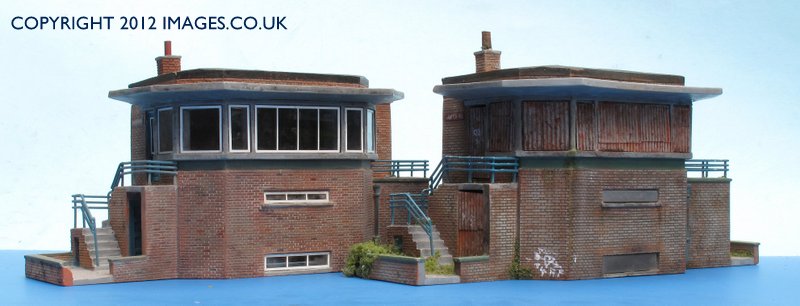
Of late there have been many releases of resin cast buildings in both 4mm/OO and 2mm/N gauge scales from both Bachmann and Hornby. As these are mass produced items there is a real chance that you will see the same items on different layouts. I recently had a look at the Bachmann Hampton Hill signal box from their Scalescene range, to see if it were relatively easy to customise them, to give them a more individual appearance. The following technique works as well on the Hornby Skaledale building range.

I obtained two samples of the Hampton Hill signal box 44-010 which unfortunately had been dropped, and the areas at either end of both samples had broken away. As we were doing a test of this technique the damage was not of concern and was actually fortuitous, as it gave me the opportunity to repair them, which was easily done using normal superglue, and once the broken parts had been joined, accelerator applied. This makes the glue cure very, very, quickly, and the repair was almost invisible.

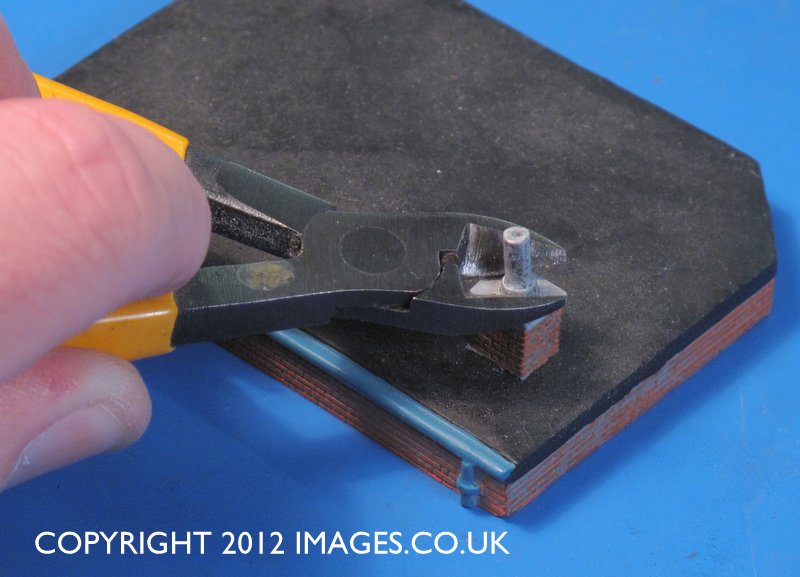
Having made the repair this gave me the confidence that the chimneys of the buildings could be replaced too, so using side cutters the chimney was cut away, the top of the stacks cleaned up with a file and then replacement plastic pots were made, one from scrap tube, and the other from the Wills scenic building accessory pack SS46.

Removal of cast chimney

These give an immediate improvement to the appearance and are well worth doing even if you don’t repaint the buildings. I used Tamiya acrylics for all the paint on these buildings as they are easy to get hold of in many good quality model shops and are easy to use.

Cutting back layers

The first thing to do is repaint the areas where there is a wash applied by the manufacturer to make the base color opaque, as in some areas we’ll be removing the paint to get a weathered effect.

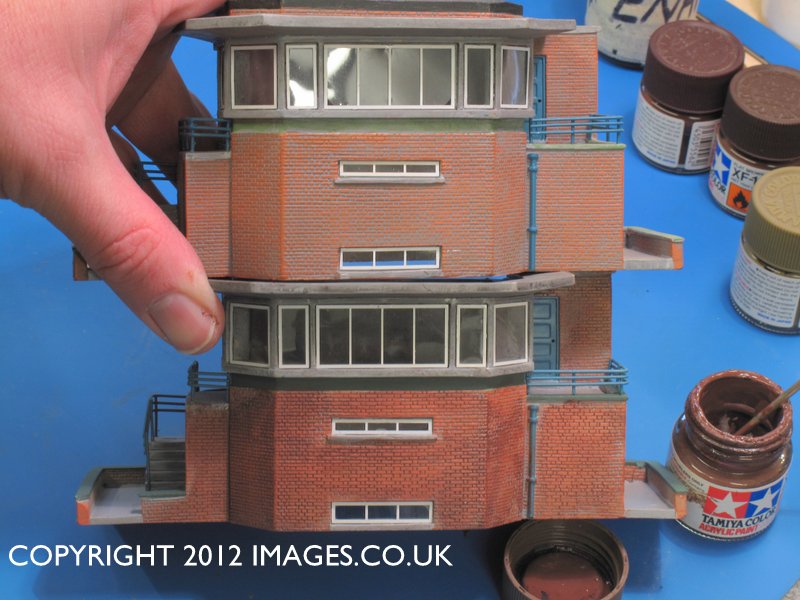
Original and first stage paint

I started with a dark color, Hull Red XF9, and using a sponge applied the paint in a dabbing motion over all the brickwork, you can see the difference this makes in the comparison shot. I also break it up with a lighter color Flat Earth XF52 and leave it to dry out thoroughly. This is important for the next part of the technique to work.

Once the paint has dried I use a very fine wet and dry paper to cut away some of the paint layers, if you vary the pressure you apply, you remove different amounts of paint that gives a random pattern effect. You can accentuate this with the glass fibre brush, which will allow you to get into corners and detail you can’t reach with the paper. You’ll note I’m wearing latex gloves to prevent getting glass fibre splinters which can be very painful, and difficult to remove. Work your way around the whole building and don’t get too fixated in one place, as this helps keep the finish more natural.

Adding paint texture

Once all the faces/walls of the building are done I then pick out individual bricks using a mix of either water color pencils or acrylic paint applied with a very fine brush. There are also air ventilation grills on the building and these are picked out using a thin black or very dark grey wash.

Detail painting

As the building was nearly complete I turned my attention to the cracked are of the base, and decided that by applying some grass I’d hide any remaining visible damage. Using ‘No Nails’ type glue, I cover the area of damage with a thin layer. Then using dyed medical lint I gently cover that area and press the fluffy side of the lint to the glue and leave it to set for a good few hours.

Vegetation detail

Once happy its dried you can then pull away the textile backing and it leaves the grass in place, just requiring a few weeds from scatter material. The work you’ve done should give the model a matt finish, but I usually give a gentle dust over around the base with ground up artists pastels. You can take the process further if you like, on one I cut corrugated iron panels from Wills Scenic sheet SSMP216 to fill the windows, to give a derelict ready for demolition appearance. I was pleased with how these turned out, for a few hours work of an evening, you can change a good basic model into a much more realistic and individual building, that will stand out from the crowd.

Posted in Airfix, Bachmann, Branch Line, British Rail, Chris Nevard, Eastern Region, Exhibition, Great Western, hobbies, Hornby, Kalmbach, Layout, life, LMS, LNER, Midland Region, Model Railroad, Model Railway, Modelling, OO Gauge, paint, research, Scottish Region, Southern Region, Western Region | Tagged , , , , , , , , | 2 Comments

Fifteen Minute Heroes

Masokits Screw Coupling in 4mm Scale

Ever thought I’ve only got fifteen minutes, not enough time to do anything with that, well this new page will hopefully show one or two of my fast jobs that make a difference. They’re not much, but all become a part of the whole project and eat away at those ‘one day’ job lists. This is the first of a few that will appear on the new page, so next time you’re scratching yer bum, see what you could have done instead …

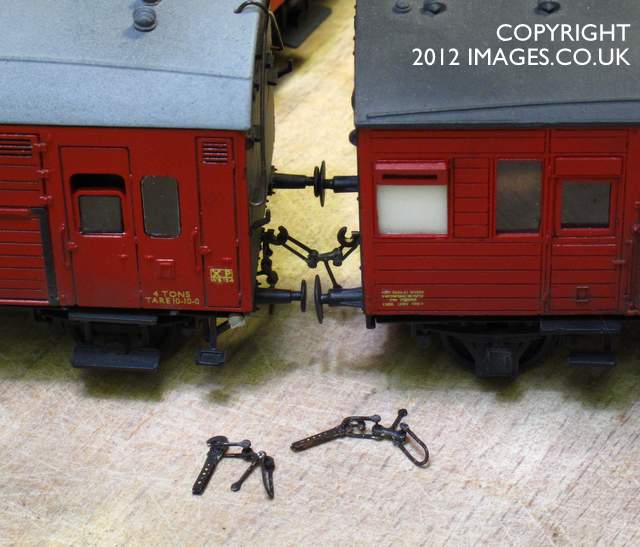
The first quick job that comes to mind is couplings for rolling stock. I use three link couplings on both EM and OO stock, as I can live with ‘the hand of god’ appearing on scene for a few seconds or so.

Screw couplings for me in the past been difficult to find really good reliable and reasonably sized couplings. I do use overscale couplings due to practicality. The best off the shelf couplings were Cambrian, unfortunately no longer available. Then theres the Romford coupling, I have a few of them and they are gradually being replaced as I do any work on an item with them. They are very overscale and often stiff where the wire is wound on the links shaft. This means they hang unprototypically, an actual link is a pretty chunky and weighty item and gravity takes its own course, downwards. The other often used types are etched links. Smiths do a set available built or as a kit. I’ve found these not particularly easy to assemble, and they aren’t particularly robust, and I got fed up with them. If you use heavy trains then again the links can fail due to the small etched link shaft bending and the coupling coming apart.

I’ve now standardised on the Masokits screw coupling. These are the best value and once assembled the most robust, and they come with a nicely illustrated instruction sheet. It does take some soldering, but if you can solder a wire to a DCC chip, these will be well within your ability. So do they pass the fifteen minute test?

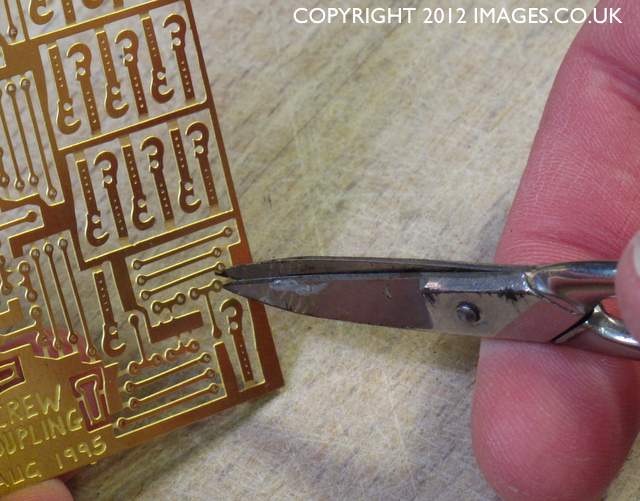
The first thing is to drill the holes in the etch 0.5mm to remove any etch cusp. Then use a very fine wet and dry paper on both sides to clean the etch.

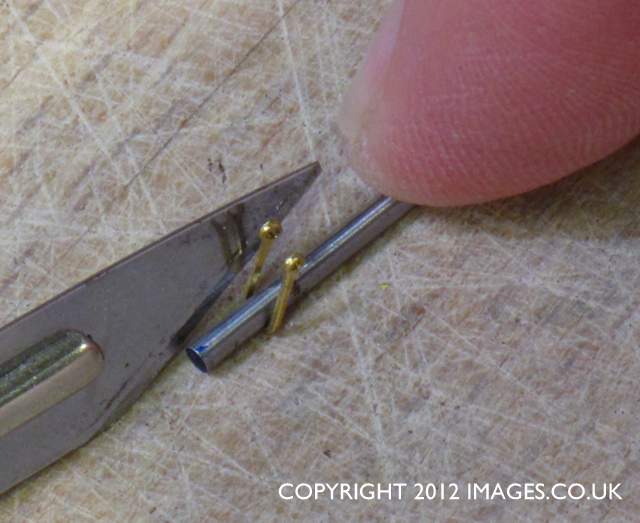
Choose if you’re using long or short links. For practicality I use short link at hook and long link to couple. Cut the link from the etch sheet and form around a drill shaft ensuring the link eyelets are parrallel to each other.

Fold the centre link etch with the tommy bar and solder it together.

Get a clean overlength section of 0.5mm brass wire and thread it through one link, the instructions suggest a brass lace pin, but if you can’t get them, do as I do and use wire.

A quick touch of the soldering iron on the outside of the eyelet will make the join between the wire and link. Cut the excess wire off and file flat to link eyelet. Note I’m not tinning any of the components as that will potentially seize solid. Repeat on the opposite side. Then repeat the procedure again for the other link.

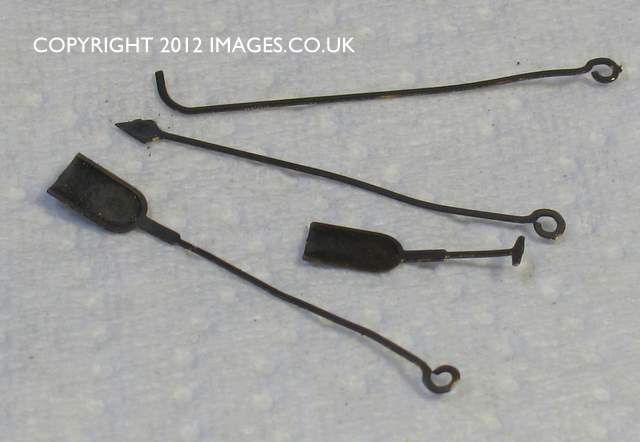
Remove the hooks and form them soldering them together. Clean any cusp material off and then attach the links.

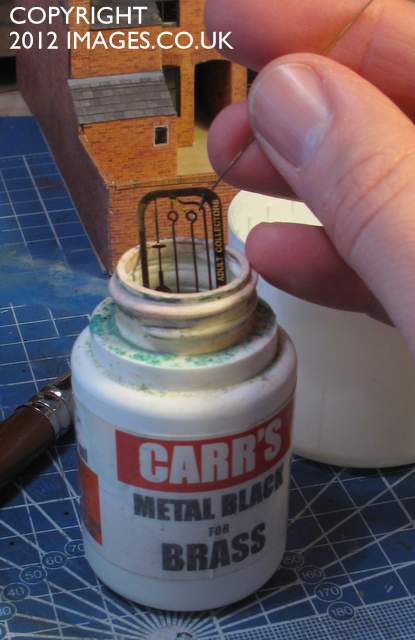
To do this twist the hook enough to allow the link loop to fall into the link slot, and twist back closing the slot. That’s it coupling completed, you may not manage fifteen minutes for your first one, but you soon will, I tend to batch build them though, completeing them with a dunk into a chemical blackening solution.

These couplings are good looking, functional, robust and by far the easiest I’ve ever built. Just because they are soldered construction that shouldn’t put you off, and it does result in a coupling that so far in my experience is unbreakable with normal use.

http://www.scalefour.org/masokits/index.html

Not a bad use of fifteen minutes …

Posted in Airfix, Bachmann, Branch Line, brassmasters, British Rail, Chris Nevard, DCC, Eastern Region, Exhibition, Great Western, hobbies, Hornby, Ian Futers, Layout, LMS, LNER, Midland Region, Model Railroad, Model Railway, Model Railway Journal, Modelling, Narrow Gauge, OO Gauge, research, Scottish Region, Southern Region, Western Region | Tagged , , , , , , , , , | 1 Comment

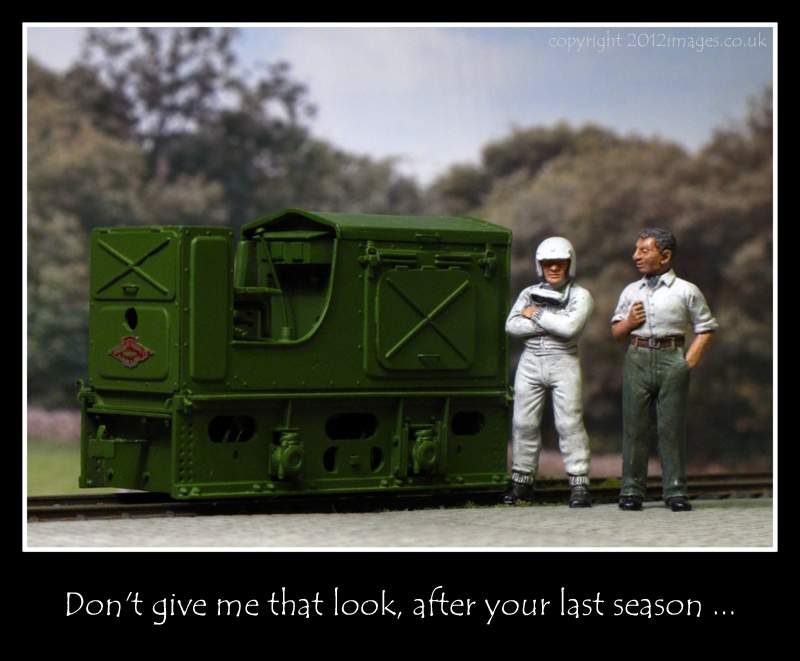
Home Truth …

Posted in Canon G10, Chris Nevard, Exhibition, hobbies, Hornby, humour, Industrial, Layout, library, life, Model Railroad, Model Railway, Modelling, Narrow Gauge, Photography, television, top gear, Uncategorized | Tagged , , , , , , , | Leave a comment

‘Trinity’ 08 Brassmaster Rods

Heres a quick step by step on how to do the conversion. This isn’t the Brassmasters version as they assume a wheelchange too, which if you’re doing EM/S4 is the most likely way forward. I didn’t want the expense of new wheels and bought the rods and Markits/Romford crankpins, (I’m embarrassed to say), years ago. Total conversion time for the first one start to finish was about three to four hours as I was working my way through the techniques, this includes soldering the rods together, finishing them and joining them with a crankpin rivet to give a prototypical knuckle joint. I’m also using a Peco PL-70 loco servicing cradle whilst I do much of the dissasembly. Its simple, cheap and effective.

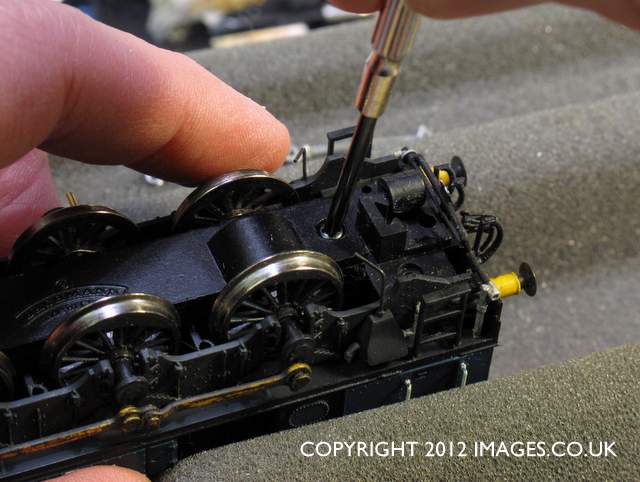
Brake gear removal

Firstly remove the brake gear, this is a simple push fit, the locating pins are at either end and on the central brake shoes. The plastic is pretty flexible so you shouldn’t damage them. Refitting is a simple reversal at the end of the conversion.

Keeper Plate Removal

Keeper/base plate removal is next, one crosshead screw at each end of the plate.
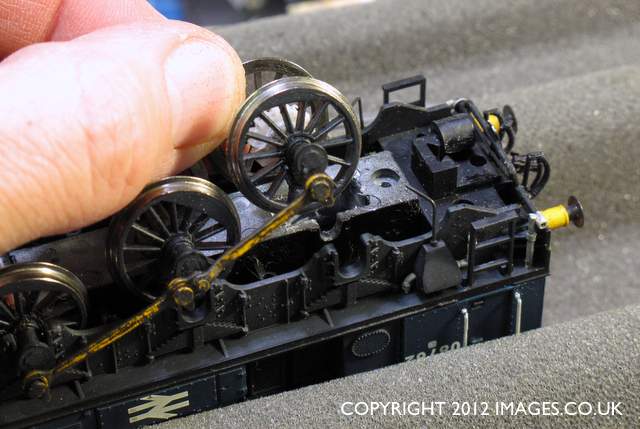
Removing the wheelset, they are easy to remove the whole wheel, gear and axle assembly coming out together. Once I’ve done that I replace the keeper plate, this keeps all the components together whilst you don’t need them and holds the centre sprung axle mount in position too.

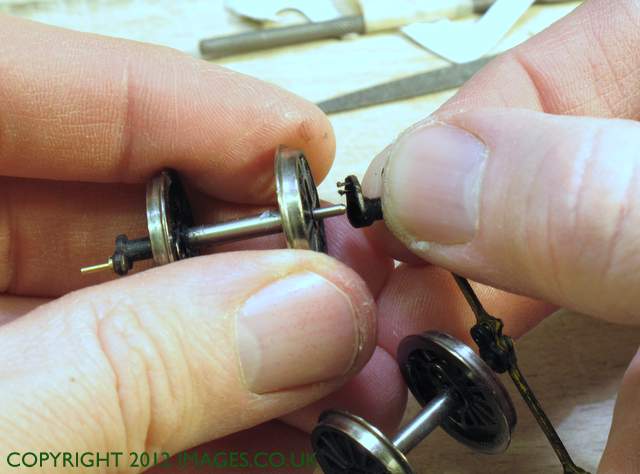
Rod & Crank Removal

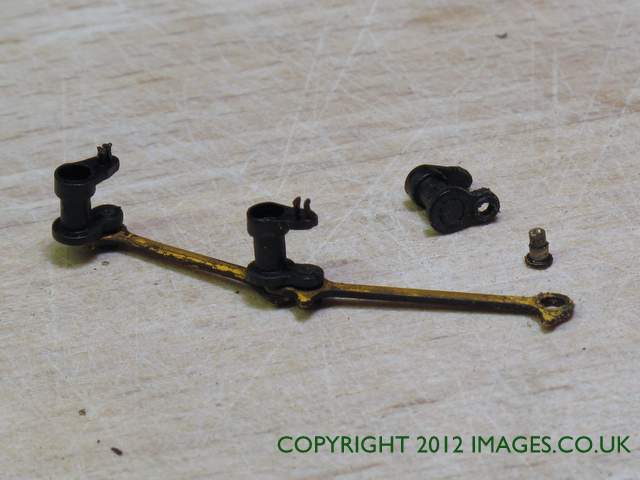
The cranks and rods need removing, these are held in place by two lugs on the end of the crank molding seen here. You may need to squeeze these with a pair of tweezers to release them, and then pull the crank and rod away from the wheelset, it is a firm fit so expect a bit of resistance as you remove them. Doing it this way keeps the wheels quartered and reduces the workload of the conversion. You can see the left hand pin has already been replaced on this axle set.


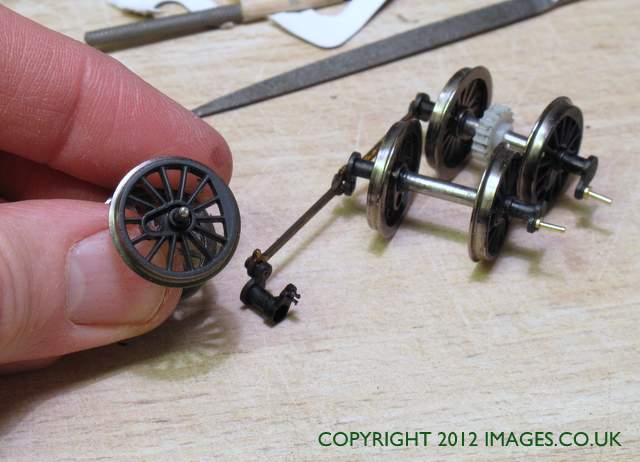
This second image above gives a better view of the fittings as they are dissassembled.

The Bachmann crankpins need to be removed, the easiest way I found, and its a bit crude, was to file the inside end of the crankpin. This allows you to part the crankpin and rods from the molding and if you do it carefully the pins will push outwards, out of the crank from the end you’ve filed.

You need to do this for all six cranks, however I worked on one set of rods or side if you like, at a time. Once the Bachmann crankpins had been removed I replaced them with the Markits/Romford versions.
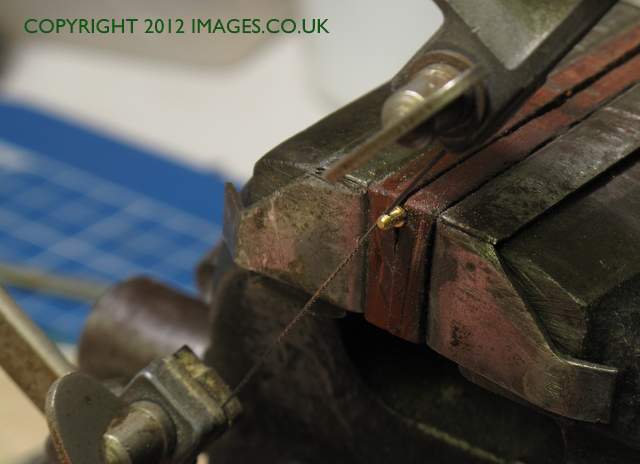
These were cut to length, again nothing scientific here, but about three threads of the screw was the ‘measure. These were cut one at a time with a fret saw, and then screwed, self tapping into the Bachmann crank. By fortune they are just oversize for the hole left by the original pins so this method fixes the new pins in place too. At this point the rods are made up as per the instructions from the Brassmasters PDF, downloadable from their site. The Markits crankpin diameter is marginally smaller than the etched rod crankpin holes so they fit perfectly. I used the main structure of the rods but omitted the cosmetic bosses as I was using the Markits crankpin washers. I wanted to keep the assembly within the original chassis loading gauge and this ensured that worked. Tapping the knuckle joint rivet through was a little tense, its ages since I’d done one (fifteen plus years), but a couple of gentle taps gives a prototypical joint on the connecting rod.

I made sure that the rods worked well, i.e. they weren’t tight at the knuckle and re-assembled the chassis, leaving off the brakegear. This means replacing the wheelsets only as the rods aren’t fixed yet.
To make sure the chassis ran well I slipped the rods onto the crankpins, and held the rods in place with plastic sleeves. This allowed me to run the chassis and see if there are any tightspots and that the rods are working well.

Once happy the locomotive ran well and slowly with no binding I fitted the brakegear and ran the test again, to make suire there were no clearance issues I’d missed. Satisfied there weren’t it was then time to fix the rods for real. I’d taken the easy option again and decided to solder the crankpin washers to the crankpins, cut them to length and then file flush.
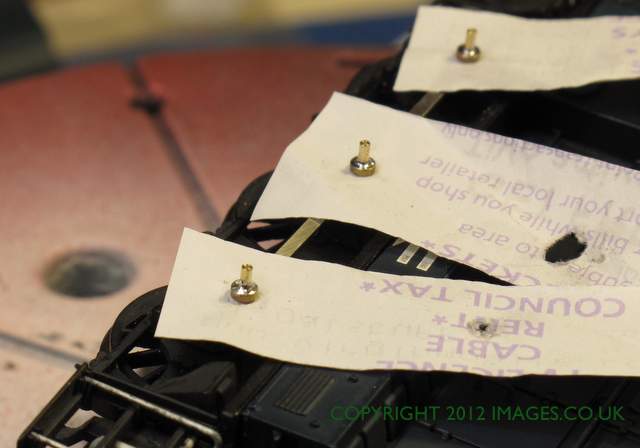
This is a quick method of fixing the rods, but it is permanent, then again the originals were too, so you’re not losing any functionality by doing this. Make sure the rods are on the right way up, and use a barrier paper like I have here. Once they are soldered you can disassemble them and cut the extra length away, I used a fret saw again and filed them flush to the crankpin. The last job is to paint the rods, I did this using enamels and then gave the rods, crankpins and wheels a light weathering using MIG pigments. The loco’s had already been weathered with a mix of acrylics, enamels, MIG pigments and artists pastels, (yes you can mix em all if you’re careful) and were now really coming together.

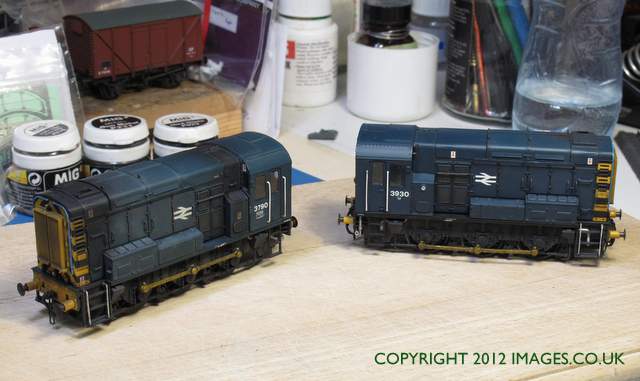
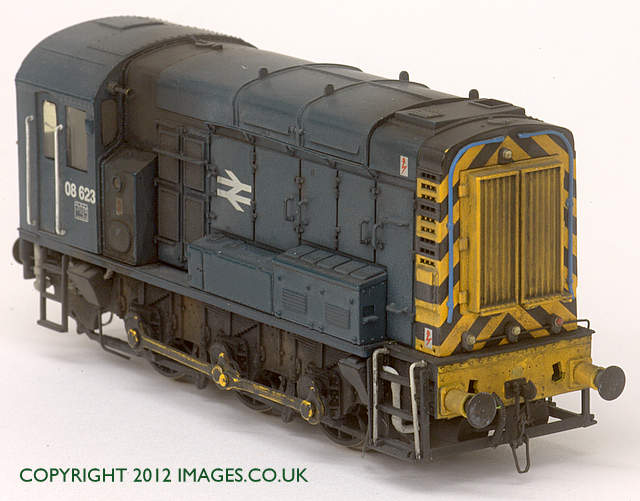
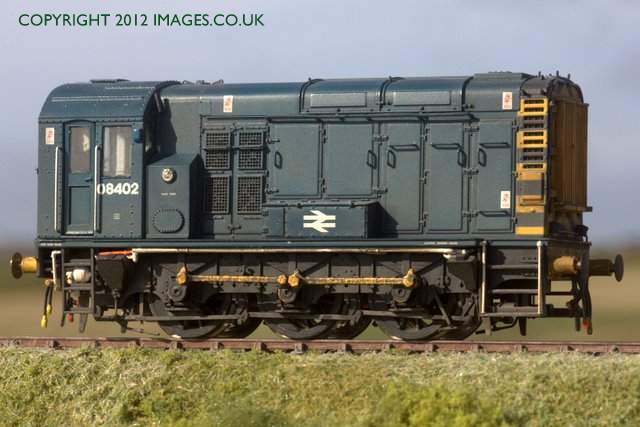
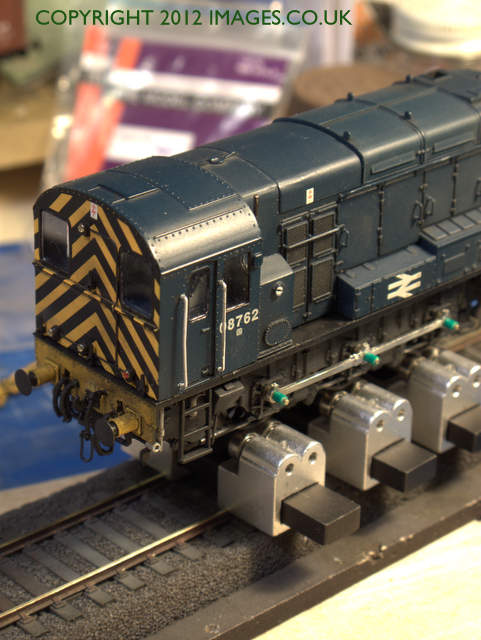
The final touches, adding Shawplans EEFG0802 08 Laserglaze windows to the cabs and renumbering them using Pressfix transfers, choosing pre TOPS early to middle 1970 liveries. This included removing double arrow logos from the battery box doors on one loco, and replacing them to the bonnet doors. The reason being the bonnet door variety was far more prevalent and having two battery boxed examples, (my Hornby 08 is identical) seemed too much of a cliche. These engines are partly for a 1967-72 era layout that a friend is working on, but they’ve also sparked me off on my first ‘micro layout’, something I didn’t forsee at all!

It’s taken a long while to get these three loco’s to where I want them in terms of appearance, partly because I left stuff on the ‘to do’ pile way too long. I actually like them better than my Hornby 08’s now, and thats because I’ve put something into them, they’re unique, a model with my ‘stamp’ on it, and without me making that effort, they’d each just be another Bachmann 08.

http://brassmasters.co.uk/08_rods.htm

http://shawplan.wordpress.com/2012/02/09/9th-february-2012/

http://shawplan.com/

http://www.btinternet.com/~markits/

Posted in Airfix, Bachmann, Branch Line, brassmasters, British Rail, Canon G10, Chris Nevard, DCC, dcc sound, decals, Eastern Region, Exhibition, Great Western, hobbies, Hornby, Ian Futers, Layout, LMS, LNER, Midland Region, Model Railroad, Model Railway, Model Railway Journal, Modelling, Narrow Gauge, OO Gauge, Scottish Region, Southern Region, Uncategorized, Western Region | Tagged , , , , , , , , | Leave a comment

Bachmann/Brassmasters/Shawplan Trinity 08

Not quite the holy trinity, but a decent place to start. Many years ago when t’interweb was a bunch of MSN chatrooms and Yahoo groups with people in effect emailing each other abuse, I did a makeover of four Bachmann 08’s, one BR Green, one Departmental Grey, and two BR Blue. These were written up on parchment and presented to the general public through the medium of the Railway Modeller Magazine. At the time the Hornby 08 was the original Triang version, a coarse body on top of the Jinty 3F chassis. The arrival of Bachmanns 08 made us all sit up and take note, clearly there was another significant step forward in Ready to Run fidelity. Previously if you wanted a really good 08 the two versions were the Modern Outline Kits etched kit, or a Lima body on top of an Impetus etched chassis. The Wrenn (nee Hornby Dublo), 08 was also kicking around but was often considered ‘too difficult’ to make a finescale model from. The Bachmann model then, was very good, certainly leagues ahead of its competition with a good mechanism, a good resemblance to the real thing, though I’ve never run a ruler over the real thing or the Bachmann/Hornby models, and a good paint finish. So on the whole we were presented with a good basic model to work on. In the original piece I concentrated on the cosmetic issues.

Scratchbuilt airtanks and cross beam

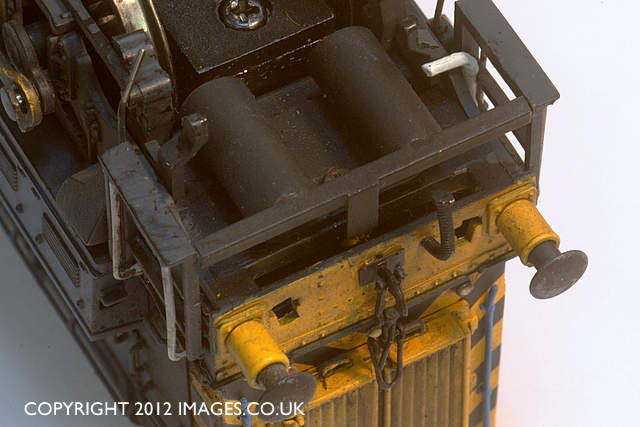
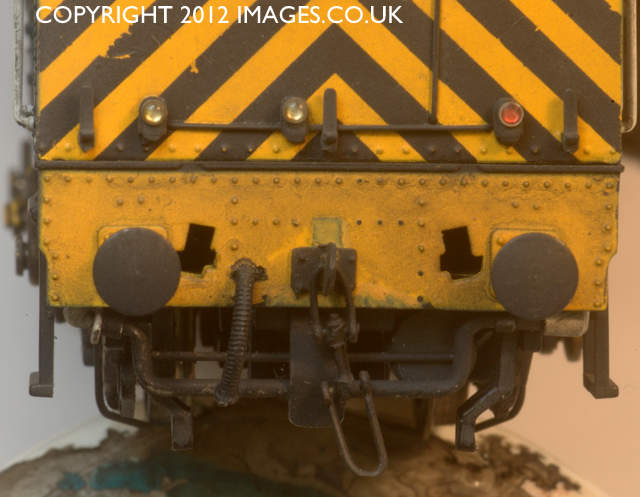
The airtanks under the front buffer beam were more Kate Moss than Katy Price, and there was none of the pipework around the chassis that is so noticeable on the real thing. New airtanks were made from brass tubing together with the channel section that runs between both pairs of front steps. This is an integral unit, using three link couplings I can afford to reduce the detail compromises needed for ready to run tension lock style couplings.

Scratchbuilt pipework under cab

The pipework was formed from brass straight wire, bent in an approximation of the shapes of the prototype. Pipe sections were shown by using masking tape wound round the wire and painted, and occaisionally a washer or small BA nut was threaded onto the wire to give a similar effect. I hand built four of these assemblies, and older and wiser now I’d have made a simple jig to bend all the wires to the same shape and length. Whilst far from accurate it gave a huge improvement to the chassis areas around the front and rear bufferbeams of the locomotive. This then left me with the opportunity to crack open the cabs and replace the glazing the hard way, by individually hand cutting each window pane. This is a tremendously tedious job, at the time laser cut glazing such as the Shawplan range was just a dream, not even on the horizon. This then left me with four 08’s looking like the following image.

Railway Modeller Article Bachmann 08

Until the arrival of the completely new Hornby model for the 08 seen below, the Bachmann model was the best game in town. With the Hornby release the deficiencies of the Bachmann model, particularly in the appearance stakes were easy to see.

Hornby's 08 Raises the Game

The Bachmann model had a less refined chassis in particular, this was easily seen comparing the two, Hornby and Bachmann, side by side. The Hornby connecting rods were finer rather than Bachmanns stamped variety and there was plenty of Bachmanns missing pipework on the Hornby model. The chassis springs are better defined on the Hornby model, however careful painting and weathering can significantly enhance the Bachmann chassis and can reduce the visual impact of Bachmanns thin springs. In terms of running quality the Bachmann model still scored highly. Some of the early versions of Hornby’s 08’s were nicknamed ‘screamers’ as at least one batch had a fault within the drive train resulting in what can only be described as a screaming sound. One of my Hornby 08’s had this fault which was cured by replacing the wheelesets with an Ultrascale kit. These have different shapes and materials for the axle bearings, so if yours is a ‘screamer’ then this may well be the cure, it certainly was for mine. In the meantime Brassmasters had realised that there was an opportunity to provide etched replacement connecting rods and balance weights for the Bachmann model, these were primarily marketed to modellers changing the Bachmann wheelsets with either Alan Gibson or Ultrascale replacements. I bought a few sets of these rods and as mentioned in the previous post they sat on the ‘to do’ pile. Another key arrival was the Shawplan Laserglaze kits for the Bachmann 08, I now had the final pieces of the jigsaw and three of the original 08’s were taken out of store and given their final makeover.
http://brassmasters.co.uk/08_rods.htm
http://shawplan.wordpress.com/2011/12/08/bachmann-08-laserglaze-kit-released/
http://shawplan.wordpress.com/laserglaze-product-list-20th-february-2012/

I’ll shortly cover in this blog how to fit the Brassmasters rods using the original wheels, and Markits crankpins, which is different from the Brassmasters instructions which involve changing the wheelsets.

Posted in Airfix, Bachmann, book, Branch Line, brassmasters, British Rail, Chris Nevard, decals, Eastern Region, Exhibition, Forest of Dean, Great Western, hobbies, Ian Futers, Industrial, Kalmbach, Layout, life, LMS, LNER, Midland Region, Model Railroad, Model Railway, Model Railway Journal, Modelling, Narrow Gauge, OO Gauge, paint, research, Scottish Region, Southern Region, Uncategorized, waterslide, Western Region | Tagged , , , , , , , , , | 1 Comment

Inspiring Magazine

Yesterday I received a copy of Narrow Gauge and Industrial Railway Modelling Review, from Bob Barlow. Bob has recently taken the editors chair, Roy Link now taking on the role of production editor. The magazine has always been a good quality read, similar to Narrow Gauge and Shortline Gazette with some esoteric items but always backed up with good writing and production. I’ve known Bob for a good few years and like a number of my other friends we like the big mainline stuff, but show us a weed strewn line snaking off between a couple of buildings, and we’re there, like rats up drain pipes ignoring the double headed prototype Deltics charging past on the mainline behind us. The magazine is well laid out, clear color and black and white pictures illustrating the articles and a beautiful set of 4mm line drawings for the War Department Baldwin 4-6-0T. The Baldwin article is an excellent example of the ‘finescale’ mindset, this article taking elements from kits as well as scratchbuilding components to make a sublime representation of the real thing. Whilst the magazine title does what it says on the tin I’ve no doubt that like many of the MRJ’s, the techniques and skills on show will be transferable by those so minded to more mainstream themes. Bob was the original editor of Model Railway Journal (MRJ), and there are some noticeable parallels between NGIR and early MRJ’s which together with Roys skills as a modeller, writer and illustrator bode well for the future. I feel a subscription coming on.

Having spent the morning reading NGIR it relit the actual ‘modelling’ fire, which has been a bit dull of late. I’d recently had the opportunity to fit Shawplans latest Laserglaze set to my Bachmann 08’s however they still looked a bit chunky in the running gear having the original connecting rods, one of then in fact having a set on back to front from the factory. I’d bought a good few years ago a set of Brassmaster rods to replace them, and they’d been sitting there saying ‘fit me’, ‘fit me’, though nowhere near loud enough. Well I rummaged around and thought ‘stuff it’, I’ll fit them. So I did. The power of the written word is extraordinary sometimes.

Brassmasters Rods

Well the first one is done, and theres a second now work in progress, which will be finished later today. The only extras needed were Romford crankpins from bought from 247 Developments, and that its a very simple conversion. Once the pair are done there’s a real danger that there’ll be a industrial shunting plank in OO. That plank is likely to be inspired by Whittle Colliery in Northumberland, in which my late father in law once arranged a shift underground for me. That has always been an abiding memory, something that H&S almost certainly wouldn’t allow these days, and I thought one day I’ll model something like that.

Bachmann 08 / Brassmasters Connecting Rods

And that Barlow chaps not entirely blameless either…

Posted in Bachmann, Branch Line, brassmasters, British Rail, Canon G10, Chris Nevard, Eastern Region, Exhibition, hobbies, Hornby, Ian Futers, Industrial, Kalmbach, Layout, Midland Region, Model Railroad, Model Railway, Model Railway Journal, Modelling, Narrow Gauge, OO Gauge, Scottish Region, Southern Region, Uncategorized, Western Region | Tagged , , , , , , , , , | 1 Comment

3f Jinty

Bachmann/Brassmasters 3F

It’s just about a year ago that I wrote about working over a selection of Bachmann’s very good Fowler 3F Jinties, also known as Jocko’s.

Bachmann's 3F Jinty

Heres the ‘starter for ten’, the best RTR version to date, and a very good reproduction for the market place in terms of accuracy and in coomparison to Hornbys model which dates if I recall from the early 1980’s. To be fair the Hornby model was seen as a pretty good effort for its time, it too benefiting from a little extra work for those so minded.

Well the first conversion is now pretty much complete, not all the Brassmasters components were used, and some extra detail work was undertaken. I also had a look at the practicality of fitting DCC sound discretely into the model. It can be done but it will be very difficult to hide the speaker and the chip. One solution is to take the boiler weight out and part of the bunker assembly, but this will reduce the overall weight of the model. This probably won’t be an issue on East Dursley, the layout the loco’s are destined for, but may be more of an issue for larger layouts with longer trains. There are alternative weight solutions which will be looked at, but I shall resist for the time being ‘finding’ any depleted uranium from Boeing 747 tailplanes lying around at work.

Brassmasters 3F Detailing kit

http://brassmasters.co.uk/

Posted in 3f, Airfix, Bachmann, Branch Line, brassmasters, British Rail, Chris Nevard, DCC, dcc sound, Exhibition, hobbies, Hornby, Ian Futers, Layout, life, LMS, Model Railroad, Model Railway, Modelling, OO Gauge, review, Uncategorized | Leave a comment

Waterslide decal II

Waterslide Decal Application

Many of us at some time have had that moment when we’ve completed the model we’ve been working on and been let down by the decals supplied, often this has been the backing carrier film showing (silvering), or the decals not settling down correctly on the model. Today’s decals are on the whole good quality and in this short article we’ll look at how to get the best from them.

Decal 'silvering' over matt paint

The example here is a standard rib sided shipping container in 4mm scale, and shows how to a set of decals can be applied to get them sitting into the contours, and minimise the carrier films appearance. Silvering occurs when there is air trapped underneath the carrier film. It is particularly noticeable on matt paint finishes, the paint has a ‘rough’ texture and allows air and water to be trapped easier under the film. (See the picture of the 08 bonnet). When I apply decals I use a gloss finish, if I need to get either a satin or matt finish I overcoat the varnish or lacquer with a matt finish.

To start the tools I use are:
Sharp knife and metal ruler (decal cutting)
Sharp scissors (decal cutting)
Good quality paint brush (around OO size is good)
Mineral water (decal realese)
Micro sol (decal softening solvent)
Micro set (decal setting solution)
Varnish or lacquer as required

It is important to have a good smooth finish on the model to work from. You may find some say that you can apply a waterslide decal on to a matt finish with no film showing. I cannot recall seeing this in many years of modelling and the following technique will get you excellent results every time.

Start with a gloss finish, the containers here have been sprayed with gloss red paint over a red oxide primer and left to harden for a couple of hours. Make sure the area you’ll apply the decals is clean from grease or dust, and then give a thin wash of decal softener. If the area has a compound curve or ridges like this container I will use the solvent. This allows the decal to deform and stretch around and over irregular shapes.

High Gloss Finish

I cut the decal close to the edge of the carrier film, or the logo/writing of the subject. Some sheets like Modelmasters or Cambridge Custom transfers are printed on a whole carrier sheet film, in which case I cut to about 1-2mm form the decal edge. The decal is then immersed in the mineral water for about 20-30 seconds. I use cheap supermarket mineral water as this gives good consistent results, tap water is arguably just as good though. Once the decal starts to move transfer it to the model and apply it as close to the final position as possible. If you leave it too long the decal will pull on the backing sheet and can tear or distort.
With a large decal as shown, I get one part of the decal in its final resting place first and then work to the farthest point. The next part is to place a wash of the softener or solvent over the face of the decal. If the surface is irregular, such as these container ribs the Micro Sol is better to use. If the surface is flat like a van or mineral wagon side I’ll use Micro Set. On this example the Micro Sol will be the better product to use. You will note the surface start to become wrinkled, this is ok as when the decal dries they will shrink and disappear. After five minutes or so the decal will sag slightly as it draws into the surface. At this point I use another solvent wash and use the brush to gently press the decal into the surface. You may see some air pockets forming under the decal, these show in a way you’ll readily recognise, ‘silvering’. I use the brush and gently push the air to the edge of the decal. If you get some that won’t respond its ok to leave them until the decal is completely dry. When it is dry pop the air pocket with a sharp point and then wash over the area with the solvent, this will then get under the decal and help it shrink and draw down onto the surface of the model.

I’ve also attached a shot of where I’ve left a decal with softener, but not initially worked it into the ribs. You can see where the decal has split, however it should be noted that this is not a fault of the decal or the solvents, just a faulty application of both. You can see the comparison shot with the correct method, the decals have formed over the ribs and the decal film has all but disappeared. It’s particularly noticeable on the image showing both the container and the 08 body in the set of the decal and the lack of silvering.

Once happy with the final set, I leave them to dry in the ambient room temperature, and then finish them with either a gloss, satin or matt varnish.

Posted in Airfix, Bachmann, DCC, dcc sound, decals, Exhibition, hobbies, Hornby, Kalmbach, Layout, Model Railroad, Model Railway, Modelling, OO Gauge, review, Uncategorized, waterslide | Leave a comment